
Durban North resident loses R300 000 in ‘bank’ scam
Several cases of vishing, where fraudsters use phone calls to trick victims into providing personal information, like passwords or bank details, have been reported at the Durban North Police Station.
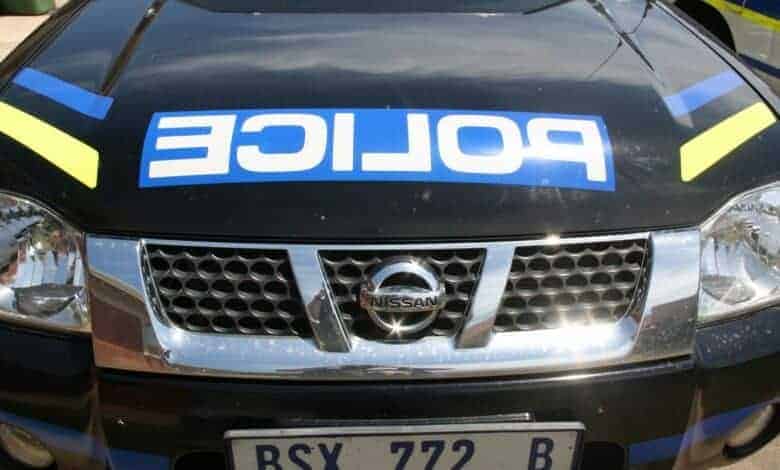
A LOCAL resident has lost R300 000 from their account after being tricked by fraudsters pretending to be their bank in a vishing scam.
Vishing refers to fraudsters using phone calls that trick victims into providing personal information, like passwords or bank details.
The spokesperson for the Durban North Police Station, Sergeant Nonhlanhla Shozi, said that in the latest case, the suspects claimed that fraudulent activity had taken place on the resident’s bank account.
Also read: Cigarette thieves – linked to uMdloti fuel station burglary – arrested
“The suspects involved in this scam convinced the victim they worked for the bank and that some fraudulent activity had taken place on their account. After that, they alleged there was an issue with their account and they needed their banking details and Pin to rectify it. Some accounts are OTP-protected, and they request this Pin in order to access your account,” Shozi explained.
“The resident did not realise at the time that it was a scam and realised a few hours later that R300 000 had been stolen from their account. We are urging residents not to disclose personal banking information to anyone. Banks never ask for your account details, password, Pin or OTP,” she said.
Shozi also revealed that there had been 21 cases of various types of fraud opened at the station in October alone.
Advice from SAPS on how not to fall victim:
- Banks will never ask you to confirm your confidential information over the phone.
- If you receive a phone call requesting confidential or personal information, do not respond and end the call.
- If you receive an OTP on your phone without having transacted yourself, it was likely prompted by a fraudster using your personal information. Do not provide the OTP telephonically to anybody. Contact your bank immediately to alert them to the possibility that your information may have been compromised.
For more from Northglen News, follow us on Facebook , X or Instagram. You can also check out our videos on our YouTube channel or follow us on TikTok.
Click to subscribe to our newsletter – here