WATCH: Fires threaten uMngeni Estuary ecosystem
Environmental advocates warn that repeated fires in the uMngeni Estuary mangroves are causing severe damage and health risks for residents.
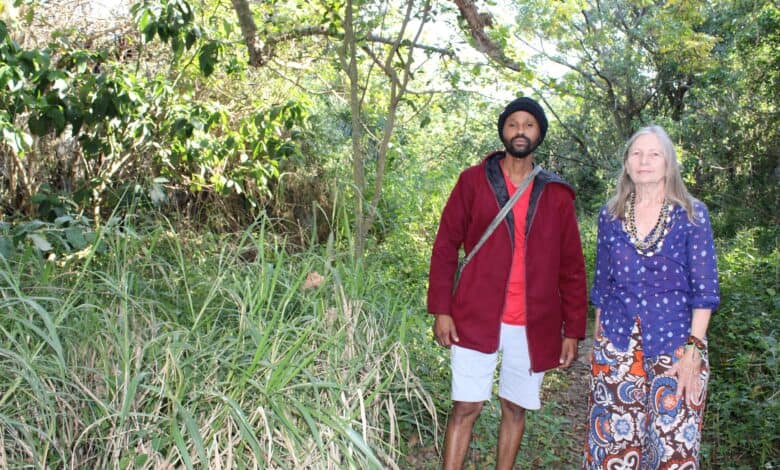
ENVIRONMENTAL concerns are mounting along Durban’s uMngeni Estuary after repeated fires allegedly linked to homeless people living in the mangroves near the Garden Refuse Centre and waste buy-back centre raised fears about long-term ecological damage and risks to public health.
Also read: Video: Three fires erupt in two days along Beachwood Mangroves
Local environmental advocate Margaret Burger warned that the ongoing fires are placing severe pressure on the Beachwood Mangroves ecosystem, which is not naturally adapted to fire.
“While mangroves are resilient to water-based changes, they are not fire-adapted. Repeated fires on the riparian edge will lead to further habitat squeezing,” said Burger.
Burger explained that intense heat destroys the cambium layer of mangrove trees, causing “die-back” and allowing invasive alien vegetation to spread further into areas where indigenous plants should thrive.
“Over time, this destroys the protective buffer mangroves provide, leading to soil erosion and the loss of the estuary’s ability to act as a natural carbon sink and flood protector. We know that Durban, as a coastal city, is extremely vulnerable to climate change,” Burger said.
The impact extends into the estuary itself, with ash and burnt material washing into waterways used as nursery areas for juvenile fish and crabs.
Environmental disaster
Burger also raised concerns about the burning of scrap materials, particularly plastic-coated copper wiring, describing it as “an environmental disaster”.
“It releases dioxins and furans, which are highly toxic and carcinogenic to both the people living in the bush and nearby residents. As residents, we have noticed a significant deterioration in air quality as people seek warmth or process scrap, regardless of how harmful these fumes are to their own health.”
According to Burger, toxic heavy metals and chemical residues are also entering the estuary through runoff.
Burger called for an urgent co-ordinated response involving multiple municipal departments, SAPS, Metro Police and Ezemvelo KZN Wildlife.
“The silo approach is currently failing to address this human and environmental crisis. It must be replaced by a permanent, multi-departmental management plan for the North Bank,” she added.
Enforcement and education
Burger said the City and aligned organisations had already established a formal buy-back centre under Connaught Bridge, administered by USE-IT NPC and managed by contractor Mavavela SMME, where recyclable materials such as cardboard, glass and plastic can be processed.
“Enforcement and education officers are urgently needed to ensure all sorting takes place only in this designated area. This will alleviate much of the current problem with burning, sorting and discarding non-recyclables in the riparian natural area.”
Burger also encouraged residents to support local conservancies and reclaim public spaces through community involvement, including guided walks at the Beachwood Mangroves and weekly Parkrun events through the area.
“It is encouraging that councillor Heinz de Boer has highlighted these issues. The current situation is a humanitarian, social and ecological emergency that a single department cannot solve alone.”
Residents wishing to raise concerns or submit complaints can email durbanward36@gmail.com.
For more from Northglen News, follow us on Facebook , X or Instagram. You can also check out our videos on our YouTube channel or follow us on TikTok.
Click to subscribe to our newsletter – here