
Greenwood Park educator weighs in on AI tutor robot
The educator believes the robot could help ease the administrative workload, but says technology must never replace the human connection.
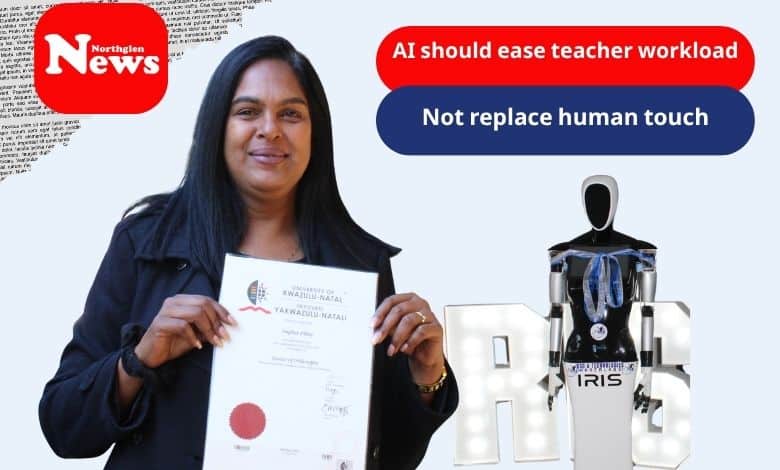
ARTIFICIAL intelligence could become a valuable assistant in South African classrooms, but it should never replace the human connection between teachers and learners, according to an experienced Greenwood Park educator.
Daphne Pillay, an educator at Columbia Primary who holds a PhD in education and over 30 years’ experience in teaching, believes AI tools such as IRIS could help teachers manage some of the administrative demands that increasingly compete for their time and attention.
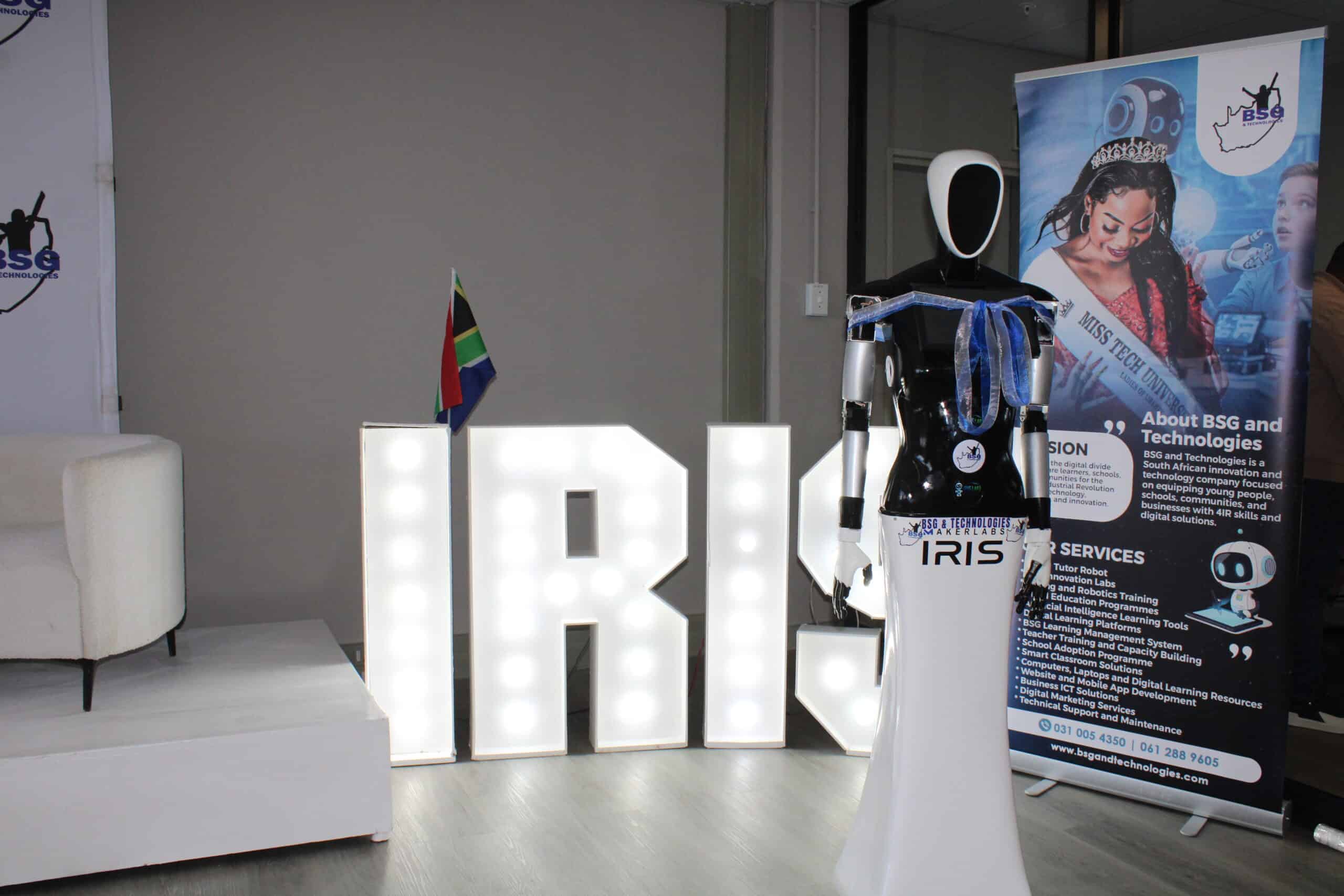
Her comments come after Northglen News recently reported on the launch of IRIS, an AI tutor robot designed to assist educators and learners in the classroom.
Also read: VIDEO: Educators get AI assistant in the classroom
For Pillay, the potential value of such technology becomes clear when considering how much of a teacher’s working day is spent on tasks beyond actual classroom teaching.
She teaches about 23 hours a week, or roughly four to five hours a day. However, teaching makes up only part of her workload.
“Teaching constitutes only one aspect of my overall workload,” she said.
Marking, lesson preparation, administration, assessment, learner support and extracurricular responsibilities all form part of her working day.
Pillay teaches four classes, with an average of 40 learners in each class, and says marking can take between two and three hours a day.
During assessment periods, the pressure increases substantially.
“When several classes are writing tests or examinations at approximately the same time, the marking workload increases significantly,” she said.
She sometimes spends several hours after school marking scripts and has, on occasion, worked into the early hours of the following morning to keep up with the workload.
Teachers are often given only two days to complete marking before scripts are submitted for moderation, she said.
Other than marking, teachers must also prepare assessments, have them moderated, capture results, maintain learner files, record attendance and complete documentation for learners requiring additional support.
Resources, worksheets and other teaching materials have to be prepared and reproduced, while additional academic support is often provided to learners after school.
For Pillay, this is where AI could potentially make a substantial difference.
“When I first heard about IRIS being used as a teacher’s assistant, my immediate reaction was that IRIS is an interesting and potentially valuable initiative,” she said.
She believes AI could assist with tasks such as assessment, responding to learners’ questions, explaining concepts and analysing learning interactions, seeing it as a support tool.
“I would like an AI assistant to reduce the administrative burden associated with teaching,” she said.
Administrative record-keeping, assessment-related administration, data capturing and other routine responsibilities could potentially be supported by AI, allowing teachers to spend more time on teaching and supporting learners.
“I would not want an AI assistant to replace or diminish the human aspect of teaching,” she said.
For more from Northglen News, follow us on Facebook,X or Instagram. You can also check out our videos on our YouTube channel or follow us on TikTok.
Click to subscribe to our newsletter – here