
Researchers help pioneer bird radar programme at King Shaka
The airport has upgraded its bird detection radar to a full 3D avian radar system capable of monitoring bird movements in real time.
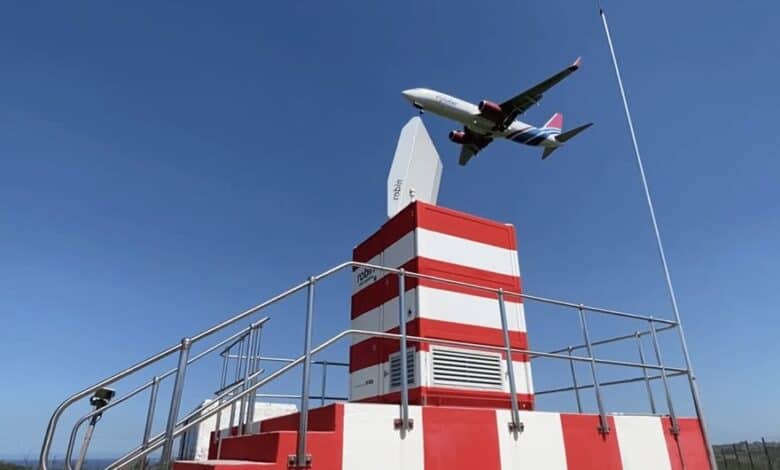
RESEARCHERS from UKZN are playing a vital role in an innovative aviation safety and conservation initiative aimed at protecting bird species, including millions of migratory Barn Swallows, at King Shaka International Airport (KSIA).
The project, a collaboration between HENSOLDT SA, Robin Radar Systems, Airports Company SA (ACSA) and UKZN, has resulted in the deployment of a state-of-the-art bird detection radar system at KSIA, making the airport one of only two in Africa to operate this technology.
At the centre of the initiative is the conservation of the Barn Swallow, which roosts near Mount Moreland, where an estimated three million swallows gather each evening between September and March.
Located a few kilometres from KSIA, the roost represents one of the largest concentrations of these migratory birds in the world.
Also read: Illegal u-turns in uMhlanga a cause for concern
While the spectacle attracts bird enthusiasts and researchers from across the globe, it also presents unique challenges for aviation safety as the birds’ flight paths intersect with aircraft operations around the airport.
To address this challenge, the airport has upgraded to Robin Radar Systems MAX bird detection radar, a full 3D avian radar system capable of monitoring bird movements in real time.
The radar can track more than 3000 birds simultaneously within a 15km radius, providing detailed information on flight paths, altitude, speed and flock behaviour.
ACSA regional general manager Nkosinathi Myataza said the upgrade formed part of regular assessment of infrastructure and systems to ensure that they remain fit for purpose.
“This technology provides our wildlife management teams unprecedented visibility of bird activity around the airport, enabling proactive decision-making that strengthens aviation safety while protecting local biodiversity.”
Also read: Doctor raises over R140 000 for UKZN students
For UKZN researchers, however, the technology offers far more than an aviation safety solution.
The University’s Discipline of Biological Sciences is an integral part of the programme through a dedicated research partnership aimed at advancing scientific understanding of bird movements around the airport, migration arrival and departure patterns and habitat use in the vicinity.
The research team is led by Professor Colleen Downs, National Research Foundation (NRF) South African Research Chairs Initiative (SARChI) Chair in Ecosystem and Biodiversity in KZN and the Eastern Cape.
Working alongside Professor Downs are Dr Cameron Cormac, a Postdoctoral Fellow, and MSc candidate Matthew Wilkinson, who are contributing to the project by gathering field data, identifying bird species, and correlating field observations with radar detections.
“The new radar technology offers a transformative opportunity for ecological research by continuously monitoring birds active in the vicinity of the airport simultaneously, day and night, throughout the year,” explained Downs.
For more from Northglen News, follow us on Facebook ,X or Instagram. You can also check out our videos on our YouTube channel or follow us on TikTok.
Click to subscribe to our newsletter – here