
Two rhinos survive poaching attack
A team of Ezemvelo vets are assessing the severity of the rhinos' injuries and from there will decide on the next course of action
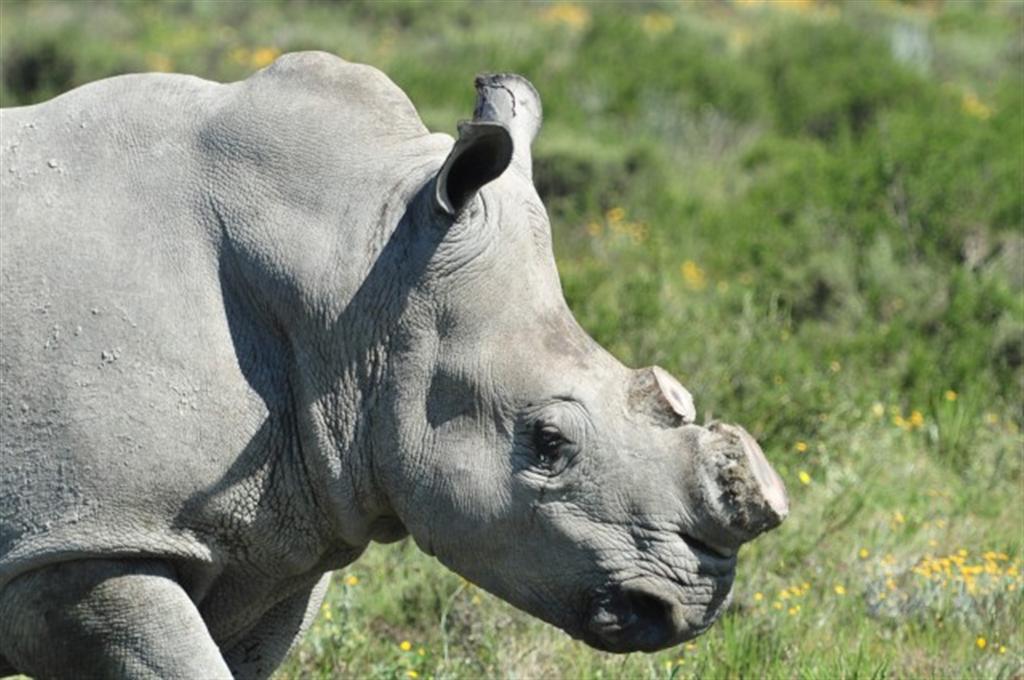
Two rhinos survived a recent poaching attack at Weenen Game Reserve.
The two rhinos were found running around and bleeding from where their horns were neatly removed by what is presumed to be a saw. Suspicions have since been aroused that a different type of rhino poaching syndicate has been operating in the Weenen Game Reserve in the KZN Midlands.
A team of Ezemvelo vets are assessing the severity of the rhinos’ injuries and from there will decide on the next course of action.
Should the vet’s team decide that the wounds are very deep, the two rhinos will be relocated to Hluhluwe iMfolozi Park’s Bomas, where their progress will be observed daily. If the wounds are not deep, the rhinos will be released back into the wild and their progress carefully monitored.
Ezemvelo vet Dr Dave Cooper indicated that a number of rhinos in the past have survived poaching incidents. “It is critical that the wounds are cleaned properly and that any foreign objects are removed from the wounds to prevent secondary infection. The rhinos are given antibiotic medication before being released.”
Meanwhile, Ezemvelo KZN Wildlife Rhino Intervention Co-ordinator Cedric Coetzee reported that Weenen Game Reserve has lost five rhinos through poaching since last Friday. All five white rhino were found with their front horns missing. The preliminary suspicion is that they all died from a fatal overdose of what is believed to be the M99 drug. Etorphine (commonly called M99) has been fundamental in the anaesthesia of large game mammals in proper veterinarian-controlled settings. Etorphine is a semi-synthetic opioid possessing an analgesic potency approximately 1000 to 3000 times that of morphine. Forensics will determine the drug used and whether it actually killed the animals.
“This is a very different poaching scene to anything else we’ve experienced. While these losses have hit us hard, at this stage there appears to be no evidence of brutality. There were no axe or gunshot wounds. We just found evidence that the horns were removed by a saw.” Mr Coetzee said that while forensic investigations had only just begun, it appeared as if the poachers wanted to keep the rhinos alive before removing their horns. “At this stage, we think they died from an overdose of the M99 drug”.
Another white rhino was found dead on Monday, but at this early stage it is thought to have died of natural causes, as both its horns were intact. This brings to six the number of rhinos that have died in Weenen since last week (five poached and one of presumably natural causes). The next few days will establish greater insight into the incidents, as tissue and fluid samples will be taken. An independent investigator from the IUCN is also being sent to the scene, along with Ezemvelo’s vet.
Asked if Ezemvelo KZN Wildlife’s remaining rhino population would have their horns treated with poison and indelible dye as part of the trial programme that began at Tembe and Ndumo last month, Mr Coetzee said the Tembe / Ndumo pilot project will determine if this project should be extended to other game reserves.
To date, KwaZulu-Natal has lost 70 rhinos.