When disciplining a child becomes abuse
“A Vryheid father was convicted to five years in prison for the manner in which he ‘disciplined’ his son,” cautions Child Welfare social work supervisor, Bathabile Sangweni.
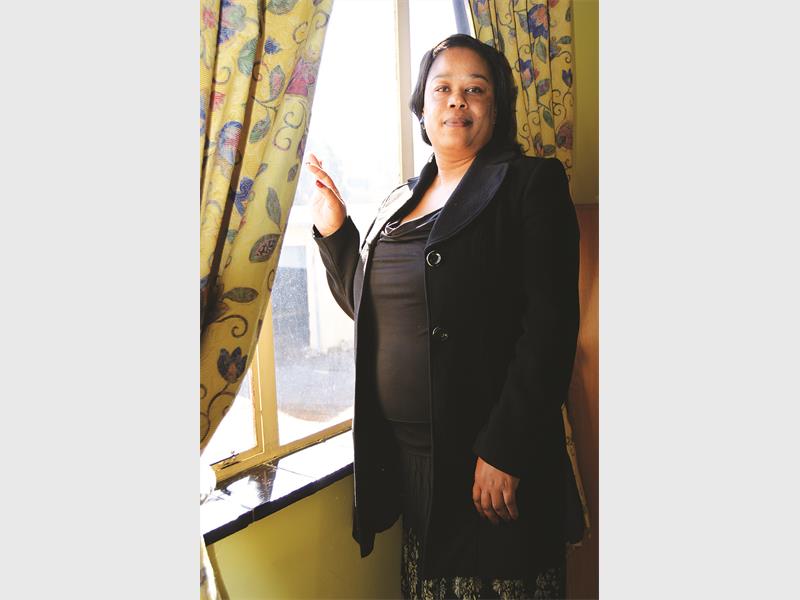
“A Vryheid father was convicted to five years in prison for the manner in which he ‘disciplined’ his son,” cautions Child Welfare social work supervisor, Bathabile Sangweni.
In this instance, the five-year-old child had been warned by his single dad to stop stealing and eating sugar out of the kitchen cupboard. Catching his son with sugar again, after the warning, this father decided to teach his son a lesson he would never forget, and locked his child in a cage outside with the family’s large dog overnight.
According to Ms Sangweni, feeling uncomfortable with this intrusion on its space, the dog clawed at the boy all night, while the father slept in comfort inside.
Neighbours discovered the bruised and bleeding child in the cage when they woke the next morning and reported what had happened to Child Welfare.
“How could this father go to sleep comfortably inside, knowing that his child was caged outside with the dog? Despite being found guilty and convicted for child abuse in court, throughout the investigation and the trial, the father insisted that he was simply disciplining the child and that it was his right to discipline his child in the manner that he saw fit,” said Ms Sangweni, who this Child Protection Week (May 29 – June 6) would like to raise awareness around the fact that, too often, parents don’t know where to draw the line between disciplining a child and abuse.
“The most common form of child abuse we encounter in Vryheid and the surround area,” explains Ms Sangweni. “…is physical abuse, when a caregiver, be it a parent, guardian or even a teacher, hits a child, often repeatedly and out of anger, and calls it discipline.”
She continued, “If you hit a child and it leaves a bruise, causes bleeding or swelling, or even just leaves a mark on the child, that is child abuse and you can be taken to court. Yet, many caregivers still hit their children, sometimes with a belt, a show, a wooden spoon, and in the some of the schools in the areas surrounding Vryheid, teachers continue to use sjamboks to discipline children at schools.”
Consequences of ongoing physical abuse can include an inability to form friendships with peers, poor social skills, poor cognitive and language skills, distrust of others, over–compliance with authority figures, and a tendency to solve interpersonal problems with aggression. In their adult life, the long–term consequences can impact both the victims’ family and their community. Studies have shown that physically abused children are at a greater risk for mental illness, homelessness, crime, and unemployment. All of these affect the community and society in general and are the social costs of physical abuse.
“A child that is disciplined in an aggressive manner comes to see aggression as an acceptable way of dealing with their problems,” said Ms Sangweni. “Parents need to be educated on more suitable ways of disciplining their children in a manner that is also suitable to the child’s age and level of maturity. Children have rights and parents need to take their children’s rights as seriously as they take their own.”
The Centre for Parenting Education recommends the following alternatives to hitting:
– Rewarding and encouraging positive behaviour: Catching your children doing something ‘right’ will lead them to repeat it.
– Adjusting your expectations: If you find yourself frequently frustrated, consider whether you are expecting too much from your child.
– Letting go of an issue: If the issue is not that important and the struggle is harming your relationship with your child, you can choose to let it go for a while. Pick your battles!
– Using consequences: Instead of spanking you can get your children’s attention by taking away privileges.
– Taking a break to help your child and you to calm down: You can revisit the issue when cooler heads prevail.
– Discussing with your children ways to deal with a problem: Children are more cooperative when they have a say in setting the rules and coming up with solutions.
“Parents should be there for their children, love your children, understand your children and protect your children. Respect them, nurture them, love them. Take them as the flower that is going to flourish in the future and make our country very beautiful,” concluded Ms Sangweni.
Report abuse: Contact Child Welfare on 034 982 1198
Also read;What you should know about South Africa’s- Children’s Act.
Find us on:Facebook, Twitter, and on whats App 060 986 0731.