REPORT: Drug abuse reaches startling new ‘highs’
For every four Rand in circulation, one Rand is linked to a substance abuse problem.
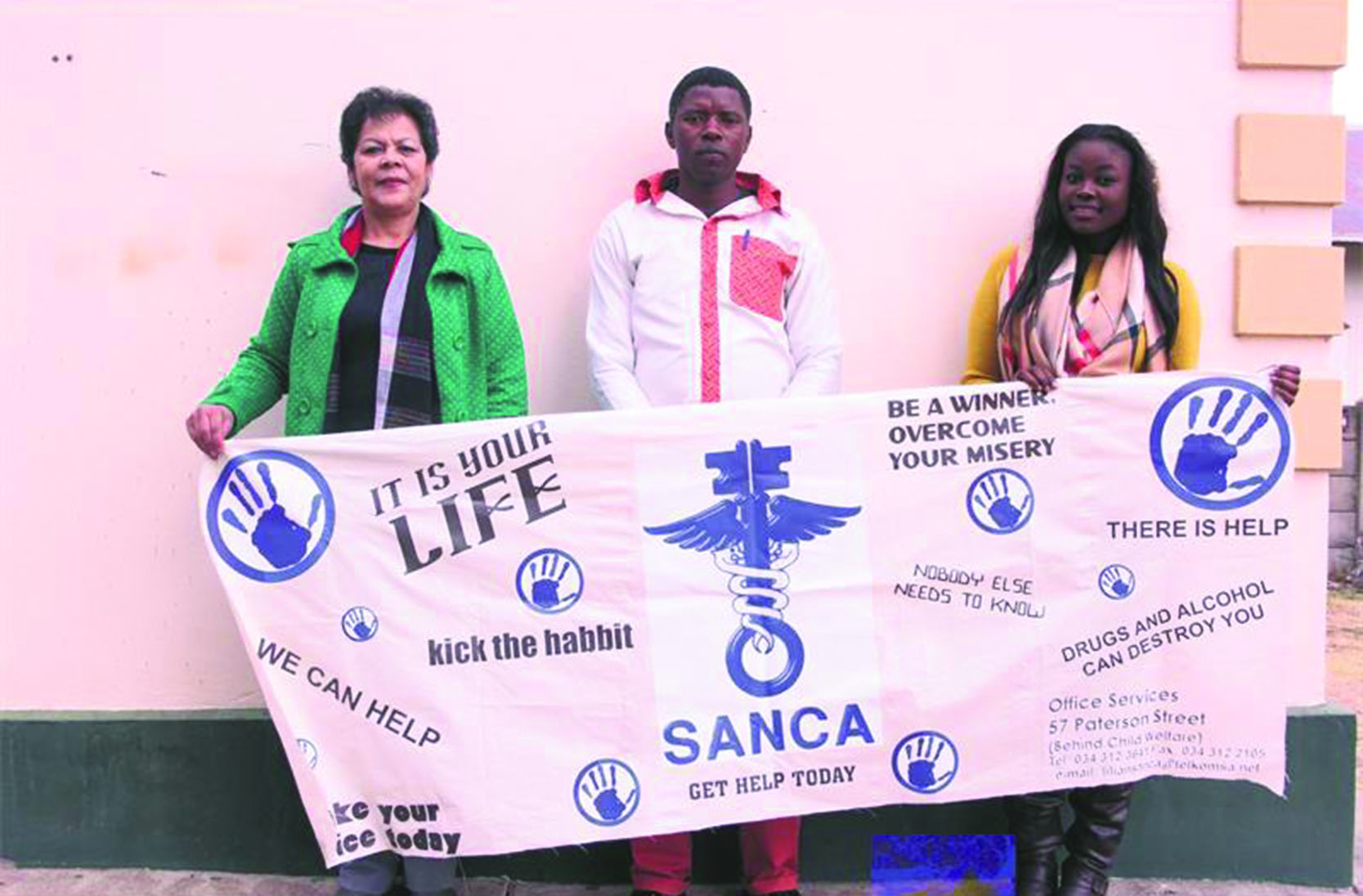
NEWCASTLE – The South African National Council on Alcoholism and Drug Dependence held its annual general meeting at their office in Paterson Street on July 28.
Related article: Fighting against Newcastle’s drug and alcohol plague
The chairperson reported major increases in drug abuse across the board.
“Irrespective of all the efforts conducted at every hierarchical level, from local to national level, combating addiction on drugs and alcohol has made no impact whatsoever,” said SANCA chairperson, Morris Gajoo.
Also see: SANCA continues to wage war on drugs
“Narratives, press releases, television programmes, and awareness campaigns have failed to curb by any measure, this monstrous scourge. It is hoped the statistics gathered in the report alone will have a far greater impact than any vigorous campaign should have achieved.”
The report placed the blame on increased drug and alcohol abuse to drastic political changes, accompanied by social transitioning, rapid modernisation, high unemployment rates, and a major decline in family, social and cultural values.
“As a result, drug and alcohol abuse flourishes in places like nightclubs, which seem to be a haven for adolescents and young adults seeking escape from harsh reality.”
The statistics in the report was taken from information gathered through the World Health Organisation.
South African drug statistics
The information gathered found that 15 per cent more South Africans have a drug problem when compared to previous reports. Drug abuse costs South Africa R20-billion a year and is well under way to pose a far greater threat than the current Aids pandemic.
South African Police Services (SAPS) added fuel to the fire, reporting 60% of crimes nationally can be linked to substance abuse. The figure in the Cape was closer to 80%.
“The perpetrators of these crimes were either under the influence of substances or trying to secure money for their next fix,” explained Mr Gajoo.
It was interesting to note, since its disbandment in 2004, South African Narcotics Bureau (SANAB), a dedicated drug-fighting unit within the SAPS, drug related crimes had increased by as much as 30 per cent.
“A recent report from the United Nations named SA as on of the drug capitals of the world and the abuse of alcohol and dagga has lead this country to be in the top 10 narcotics and alcohol abusers in the world.

Global drug statistics
The illegal drug trade is a $3-billion global industry.
Alcohol
Off the bat, alcohol is South African’s number one choice in abused substances. It is responsible for almost half the motor accidents and more than 30% of South Africans have an alcohol abuse problem, or are at risk of having one.
“17.5-million South Africans involve themselves with alcohol in some way, around 10-million of whom consumed the equivalent of 20.1 litres of pure alcohol per person per annum. This figure equates to 196 six-packs of beer or 62 bottles of spirit alcohol.”
An estimated 182 000 illegal shebeens operate in South Africa, which may lead to the encouragement of under-aged drinking. One study reported children who started drinking before the age 15 are four times more likely to become alcoholics.
35 per cent of high school pupils drink at least nine units of spirit, 1 litre of wine or 2 litres of beer a month.
The 18 to 22-year-old age group, is reported to be the heaviest drinkers of all age groups.
Cigarettes
Statistics gathered by Cancer Association of South Africa (CANSA), show 25 000 people die from smoking-related illnesses in SA annually.
2.5-million days are lost due to absenteeism in the workplace.
Worldwide, 80 000 to 100 000 children start smoking their first cigarette today, and of that figure one in five will be aged 13 to 15.
Dagga
In two years, the usage of dagga has increased by 20 per cent. In 2006, 2.52-million South Africans used dagga. This figure increased to 3.2-million users in 2008. South Africans use double the globe’s normal consumption of the drug and well over R3.5-billion is spent buying the drug per annum.
Mandrax
South Africa is still the highest consumer of Mandrax in the world.
Ecstasy
South Africa produces one ton of Ecstasy a year, and almost 110 000 people use the substance and spend R610-million on the drug per annum.
Cocaine
Cocaine usage had increased to 20 per cent in two years. In 2006, 250 000 South Africans consumed R1.43-billion in cocaine.
Crack
“Crack” or “Rocks” seems to be the drug of choice among prostitutes, according to the report. Some may spend up to R30 000 a month on the substance, selling themselves to 15 to 25 men per day to maintain this habit.
Methamphetamine
Commonly known as “Tik,” is the drug of choice for 42 per cent of Cape Town’s drug users. The global trade for this scourge rakes in $35-billion per annum for manufacturing and distribution of the drug, and supplies 51-million users worldwide.
Heroin
The treatment for heroin usage had increased to 24 per cent in 2008. This figure was around 1 per cent back in 1996.
“Sugars”, a heroin-based drug has affected 70 per cent of households in Chatsworth, a suburb south of Durban.
“Nyaope,” is heroin mixed with dagga, and is wreaking havoc among the youth of Tshwane.
“Other forms of heroin take on a myriad of names like, “Plazana” and “Kwape,” making the path from dagga to heroin much easier.”
Rehabilitation
Most drug rehabilitation centres have a success rate of less than 3 per cent in rehabilitating abusers. A small portion of those admitted was addicted to prescription medication.
Teenagers
Teenagers who consumed alcohol or drugs were three times more likely to be involved in a violent crime. From 1995 to 2007, drug and alcohol abuse among teens has increased by 1100%. The starting age of drug abuse was reported to be as young as 12 years. In some instances, there were reports where the abuser was as young as 8 years.
One in two pupils reportedly experimented with drugs.
Children who had one alcoholic parent, has a 60 per cent chance of becoming an alcoholic themselves. This figure increases to 80 per cent if both parents are alcoholics.
50 per cent of Grade 11 pupils used alcohol in the past year, and 31 per cent of pupils drink socially.
Drug syndicates
In 1995, 125 drug syndicates operated in South Africa. This figure has risen to 438 drug syndicates.
Conclusion
“To the staff of SANCA NKZN, a rose for each of you; for your tireless efforts to curb the current scourge of addiction in our society despite the multitude of challenges, from the lack of proper funding, proper offices, transport issues, and shortages of printed literature, you have performed exceedingly well under the circumstances.”
There were not enough committee members to form a quorum and elect the next financial year’s governing body. A motion was reached to postpone this to a later date in the year when all committee member would be present.
“At the crux of every dependency, there is always pain. Discovering the pain and healing is essential in ending dependency,” concluded Mr Gajoo.