
Should we be worried about a rabies outbreak in Ladysmith?
Many fear that the outbreak may spread into their communities and have been on high alert
Rabies is not only terrifying because you could be attacked by a rabid animal or lose a beloved pet to the disease, but humans can also be infected.
There have been recent reports of six laboratory confirmed human cases of rabies in South Africa.
Four of the cases of humans being infected with rabies were reported in KwaZulu-Natal, where a resurgence of rabies has been reported.
The remaining two cases were reported from the Eastern Cape.
Many fear that the outbreak may spread into their communities and have been on high alert.
Rabies is transmitted most often by being bitten or scratched by an infected animal. However, in rare cases, it can even come from being licked by an infected animal.
The good news is that rabies is a 100 per cent preventable disease.
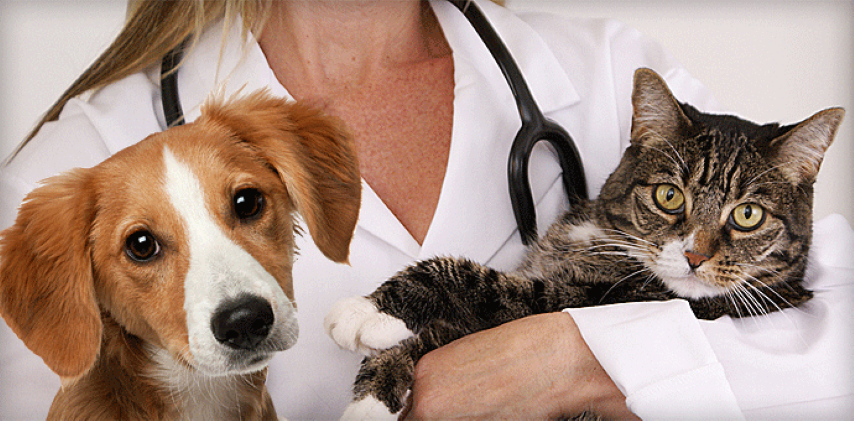
The first step people can take in preventing rabies is by vaccinating their pet.
Cats and dogs should be vaccinated against rabies at three months and then receive a booster one to nine months later to lessen the chances of catching this deadly disease.
Thereafter, they should receive the vaccination annually, unless a vet advises differently.
In South Africa, there is a law that pets get vaccinated against rabies and as a pet owner, it is one’s responsibility to ensure that this happens for both your and your pet’s safety.
No cases of rabies have been reported in Ladysmith, but the community is advised to be aware of stray animals and keep an eye on their pets.
Click to receive news links via WhatsApp. Or for the latest news, visit our webpage or follow us on Facebook and Twitter. Join us there!