Infernos on the increase as the effects of ‘fire season’ take hold
Mpeko, who is also the Acting Chief: Fire and Disaster, explains the extended ‘fire season’ is the result of two factors: longer grass caused by late rains, and early frost.
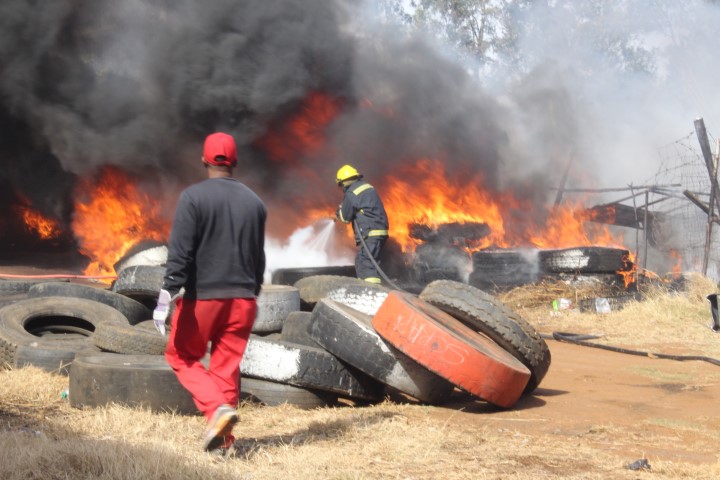
In May, Community Safety’s Fire Division attended to 20 fires in the Newcastle area.
In the first three weeks of June alone, firefighters extinguished 83 grass and house fires, as the effects of ‘fire season’ take hold.
This number is expected to rise heading into July.
Divisional Commander: Fire Safety, Nelson Mpeko is concerned at what the statistics show, and predicts this season will be devastating in terms of fire.
“From May, we were already attending to grass fires and we presume this will continue until late August, early September.”
Mpeko, who is also the Acting Chief: Fire and Disaster, explains the extended ‘fire season’ is the result of two factors: longer grass caused by late rains, and early frost.
Combined, this means grass fires have plenty of fuel to burn.
ALSO READ: Elderly woman unscathed after house fire
In general, Mpeko says fires are aggravated by climate – the weather is slowly warming up – and this has prompted the Disaster Management Advisory Forum to look at how people can adapt to changing climate.
“During the quarterly meetings, we try to carry messages not only about fire prevention, but also about season incidents and statistics.”
Mpeko also serves a third role as the area Fire Protection Officer, which sets him as a link between formal firefighting services, residents and farmers.
The message is clear – prevention is the first line of defence.
From the perspective of Disaster Management, Mpeko continues, fire statistics will only increase in years to come, as the effects of emissions and pollution chip away at the ozone layer and atmosphere.
The storms of March this year are evidence of his claims.
“People don’t realise that affecting the ozone layer by one degree Fahrenheit [approximately 17 degrees Celsius] means we are compressing our own air supply. This in turn affects the prevalence of fire conditions.”
Mpeko uses other weather conditions to make his point.
He says lightning storms have increased in the 10 years he has worked with Disaster Management, and many areas of Newcastle have over time become more at risk of disasters such as flooding and fires.
“The devastation increases each year. Climate change is really playing a role in disasters and even traffic is being affected by this shifting weather,” he concluded.
ALSO READ: Fire guts old Spar building
Contact us
WhatsApp: 082 874 5550
Email: Reveshni Douglas (Editor) at reveshni@caxton.co.za
Make sure you follow us for regular updates: