
All you need to know about the Southern African Python
During a cold spell, the females will bask in the sun for a few hours and then go down into the burrow to heat up the eggs
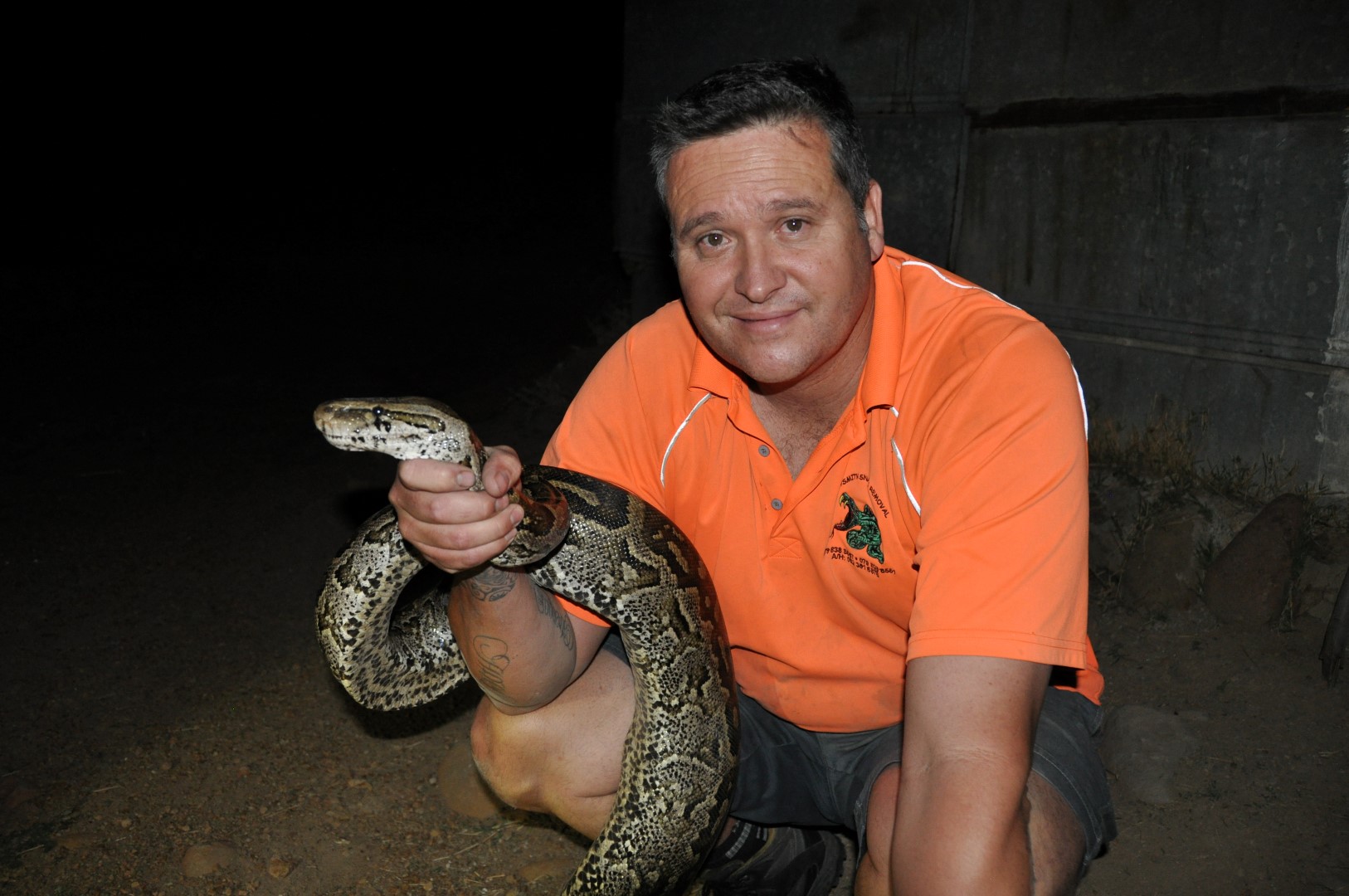
Since a few Southern African Pythons have been removed from the Ladysmith area, we spoke to local snake expert Fanie Cilliers about this particular species.
‘Python’ is a Greek word referring to the large serpent that was slain by Apollo in Greek mythology. This beast’s name was Delphi. The second part of their scientific name, Natalensis, refers to the South African province where they are in abundance.
The common name for this snake is Southern African Python or Rock Python. In Zulu, it is known as ‘inhlwathi’ and is highly feared, although these snakes very seldom kill humans.
These gentle giants can grow up to six metres in length. However, the males are almost half the size of the females. Males grow to between 2.8 metres and 3.6 metres. The males are smaller because they just eat and mate, whereas the huge females need that length for the production of eggs. The females normally have between 40 and 80 eggs in their bellies, with a size of +-125mm in diameter, so they need length to accommodate the eggs.
The female will find an empty warthog burrow or a porcupine burrow, where she will deposit her eggs. She will stay with them until they hatch.
Also read: uThukela to stop pumping water from golf course area to Observation Hill on a daily basis
Also read: All you need to know about the dam levels in the Ladysmith area
The females coil up around the eggs, keeping the core temperature constantly between 38º C and 40º C. Regulating the heat is important, as this will also determine the sex of the young.
During a cold spell, the females will bask in the sun for a few hours and then go down into the burrow to heat up the eggs, as well as the burrow. During this time, the female will not eat anything. However, she might go down to her water source for a drink.
When the young hatch, they will be 40-70cm in length. Females will stay with the young for up to two weeks before leaving them to enter the world as young pythons.
Pythons will eat everything from small birds to large antelope like impala. In the latter case, they grab the animal, constrict it and once it has died, swallow their huge meal. This can take anywhere between one and three weeks, depending on the weather. If it’s warm, they will digest the animal quicker.
During the mating season, the female, now in her burrow, will release pheromones that will attract numerous males to mate with. They will mate over a period of about four weeks. All of them will stay in the burrow during this time, before moving off. The female will then deposit her eggs deep underground.
Click to receive news links via WhatsApp. Or for the latest news, visit our webpage or follow us on Facebook and Twitter. Join us there!