AbaQulusi mayor addresses water, roads and service delivery crisis
AbaQulusi mayor discusses service delivery, voter registration and infrastructure challenges during post-SONA engagement.
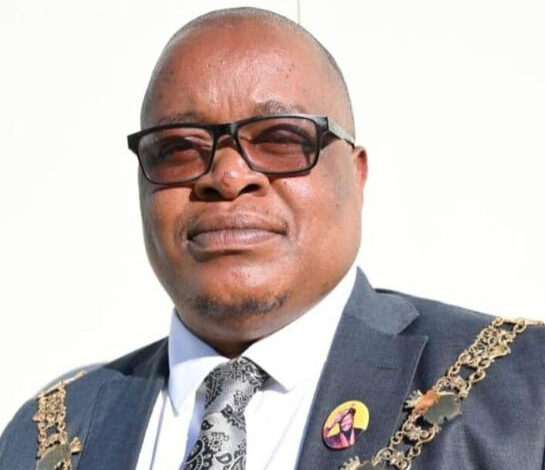
AbaQulusi Local Municipality Mayor, Sifiso Mkhwanazi, recently conducted a special post-State of the Nation Address (SONA) engagement where he reflected on issues raised by President Cyril Ramaphosa during his address on February 12, while also addressing challenges facing local communities.
Speaking during an interview at AbaQulusi Community Radio Station last week, Mkhwanazi unpacked several service delivery concerns affecting residents. These included inconsistent water supply, electricity outages, poor road conditions and other municipal challenges.
Importance of voter registration
Mkhwanazi also highlighted the importance of residents registering to vote. According to him, the number of people registered on the voters’ roll plays a significant role in determining the amount of funding municipalities receive from national government.
“For us as a municipality to receive a fair equitable share, we need residents to be registered on the voters’ roll. If the numbers are low, it affects the funding allocated to the municipality, which makes it difficult to meet the needs of the community.’’
He urged residents to prioritise voter registration, adding that government funding is largely allocated based on population figures reflected in the voters’ roll.
Funding allocated for road repairs
Addressing concerns about potholes and deteriorating roads, Mkhwanazi revealed that the municipality has received R28 million through the Disaster Relief Fund, which will be used to improve road infrastructure.
“We have identified a number of roads that require urgent attention. We are aware that residents in rural areas are also struggling with poor road conditions. Instead of temporary repairs and patching, the aim is to resurface these roads. It is only a matter of time before work begins.’’
Ageing infrastructure affecting water supply
On the issue of frequent water outages, Mkhwanazi pointed to ageing infrastructure as a major challenge.
“Our infrastructure is old. The pumps and pipes often burst, which disrupts water supply. Repairing and replacing these systems requires significant funding, which remains a challenge.’’
Economic growth and attracting investors
During his SONA address, President Ramaphosa also spoke about job creation and economic growth. Locally, Mkhwanazi acknowledged that the municipality faces the challenge of attracting investors.
“When investors consider a town, they look at various factors. Poor road conditions, potholes and unreliable electricity or water supply can discourage them. Investors want assurance that the town has stable services and that they will not have to rely on generators because electricity supply is inconsistent.’’
Indigent programme and unemployment
Mkhwanazi further addressed the municipality’s indigent programme, noting that the high unemployment rate in AbaQulusi has resulted in a large number of residents qualifying for indigent support.
“Due to unemployment, many residents depend on the indigent programme. This means a smaller number of employed people are carrying the burden of generating revenue through rates and service payments. As a result, the municipality relies heavily on equitable share funding from government.’’
Concerns over Marasteni Bridge project
Residents were also given the opportunity to raise questions during the engagement. One resident asked about the Marasteni Bridge in Bhekuzulu, which was under construction last year but has since seen little visible progress.
Community members from areas such as the Ghetto and the new Bhekuzulu section expressed frustration that the incomplete bridge forces them to use alternative routes, which can be time-consuming, particularly for school learners and workers.
Responding to the concern, Mkhwanazi said the allocated funds had not been misused.
“No one has spent the money allocated for the bridge. Progress has been slow, but the project is still underway and we anticipate that the bridge will be completed by August 31.’’
Electrification plans for Shoba
Mkhwanazi also announced that 178 houses in Shoba will soon be connected to electricity through municipal supply, while the remaining households will be electrified by Eskom.
Crime and justice system concerns
Crime was another major issue raised during the discussion. Residents voiced concern about unresolved cases, including the tragic death of Bandile Ndaba, a young boy who was found murdered after being reported missing last year.
Mkhwanazi said while the police are making arrests, challenges often arise within the justice system.
“The police do play their role and make arrests, but sometimes the next day suspects are released. We have engaged with the justice system on this matter and will soon meet with the National Prosecuting Authority (NPA) to find solutions.’’
Illegal immigration and business compliance
The issue of illegal immigration was also discussed. Mkhwanazi indicated that intensified law enforcement operations are expected to be conducted from next month.
“Police have indicated that their work is often complicated by South African citizens who register businesses in their names, while foreign nationals operate the shops without the proper permits or documentation.’’
Stock theft and gender-based violence concerns
He further revealed that Gender-Based Violence (GBV) and stock theft remain among the leading crimes in AbaQulusi. Many stock theft cases are reportedly occurring within the Hlobane and Gluckstad policing areas.
Mkhwanazi urged farmers and livestock owners to ensure proper branding of their cattle to help curb stock theft and improve identification of stolen livestock.
The news provided to you in this link comes to you from the editorial staff of the Vryheid Herald, a sold newspaper distributed in the Vryheid area.