Vryheid bat rescuer champions misunderstood nocturnal animals
Vryheid bat rescuer urges education and coexistence after unexpected rescue sparked conservation journey.
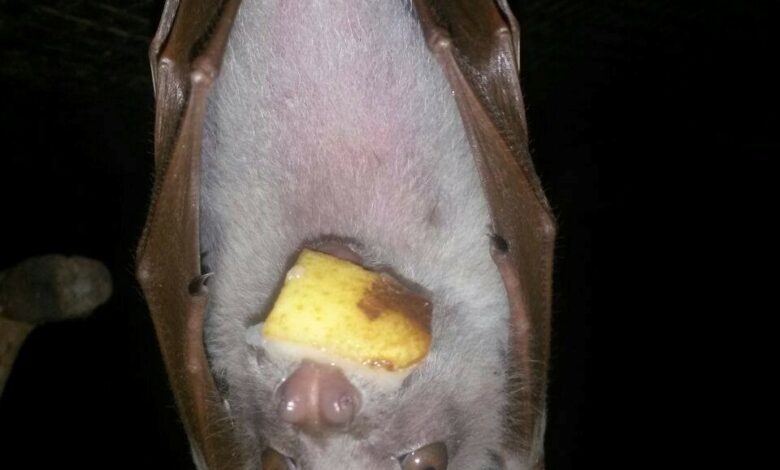
What started with an unexpected encounter 13 years ago has become a mission to protect one of nature’s most misunderstood animals.
From rescue to calling
For Charlene Durand, her journey into bat conservation began when her cat brought home a mother bat with her tiny pup still attached.
“The mother had died, but the baby was still alive,” she recalls. “Between trying to save that little life and my love for conservation, I found my calling.”
Educating communities about bats
Today, Durand responds to bat-related call-outs across the Vryheid area, helping injured bats and advising residents who discover colonies living in their roofs. Although she works independently locally, she is part of a wider volunteer network through the Bat Interest Group of KwaZulu-Natal.
Many of the calls she receives involve homeowners wanting bats removed from their roofs. Durand says education is often the most important part of her work.
“Bats are not dangerous and prefer to avoid humans,” she explains. “They don’t fly into people’s hair and, when left undisturbed, pose very little risk.”
Legal protection and misconceptions
She says many residents are unaware that bats are protected wildlife in South Africa and that harming or killing them is illegal. There are also no chemicals registered for use on bats, making the use of poisons, fumigants or other substances unlawful.
Breeding season and conservation risks
One of her biggest concerns is the removal of bats during the breeding season, which typically runs from October to April.
“Many species use roofs as maternity roosts,” she says. “If bats are excluded at the wrong time, mothers and babies can become separated.”
Ecological importance of bats
Far from being pests, bats play a vital role in the environment. A single insect-eating bat can consume thousands of insects in one night, while fruit bats help pollinate plants and disperse seeds.
Durand encourages residents to protect natural habitats, reduce pesticide use and seek professional advice before attempting to remove bats from their properties.
Call for coexistence and support
“If people understand the role bats play, fear is often replaced by appreciation,” she says.
Her hope is simple: greater awareness and coexistence between people and the bats that quietly help keep local ecosystems healthy.
Residents who need advice or assistance with bats can contact the Bat Interest Group of KwaZulu-Natal on 082 445 0585 or join the emergency support WhatsApp group for guidance from trained bat rescuers.
The news provided to you in this link comes to you from the editorial staff of the Vryheid Herald, a sold newspaper distributed in the Vryheid area.