
Understanding underage drinking – part two
It's important to recognise that children do what you do. The example you set can be the key to protecting them against early and unwise drinking
They copy your drinking habits
As young children many of the toys they played with were things that mimicked what they saw mum and dad doing like shopping, cooking or cleaning, feeding dolls or fixing cars. As they grow older, if you come home and say: “Oh, I could do with a drink!” and when you reach for a bottle, you may be setting the example that alcohol is somehow an essential part of life. It’s important to recognise that children do what you do. The example you set can be the key to protecting them against early and unwise drinking.
Teenagers drink alcohol to be like their friends
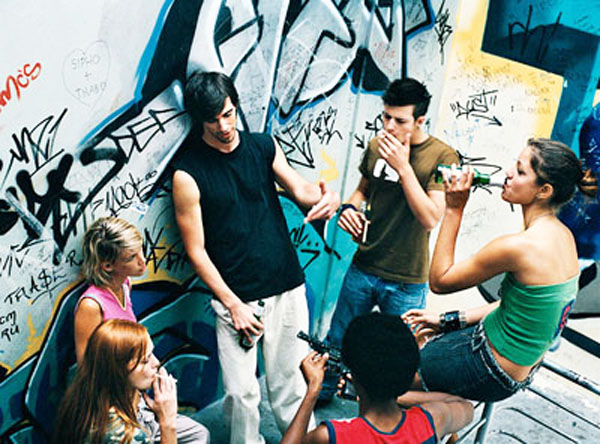
From an early age children want to fit in. This is to demonstrate that they are part of a group. As children, you are still their main influence they look to you and up to you. Once they become teenagers this shifts: their friends become their focus and it’s their acceptance, not yours, that is most important. Teenagers may talk about being ‘individuals’ and ‘being different’ but most of them have a fear of standing out from the crowd. If drinking is seen to be the norm, your teenager may want to join in to feel part of the cool crowd.
They want to be like their older siblings
Parents with more than one child will recognise the struggle you can have when one of your children reaches the age to be granted a privilege and their younger sibling wants it too. Whether it’s staying up later or being allowed to go out, the younger child doesn’t want to wait, they demand it now. Ask an older sibling to set a good example, wanting to be admired could reinforce their own good behaviour, and ask a younger child to listen to their brother or sister as well as to you.
The AA Estcourt branch hosts meetings every Tuesday at Forderville Primary School from 7pm to 8pm. Contact Desigan on 082 849 3014.