
Smitten by snakes: Reptiles as pets
“Mommy, I want a pet snake!”… I’m sure those words, or even the thought of them has crossed many a mother’s mind, while visiting a reptile park, pet shop or after a show about reptiles on the television.
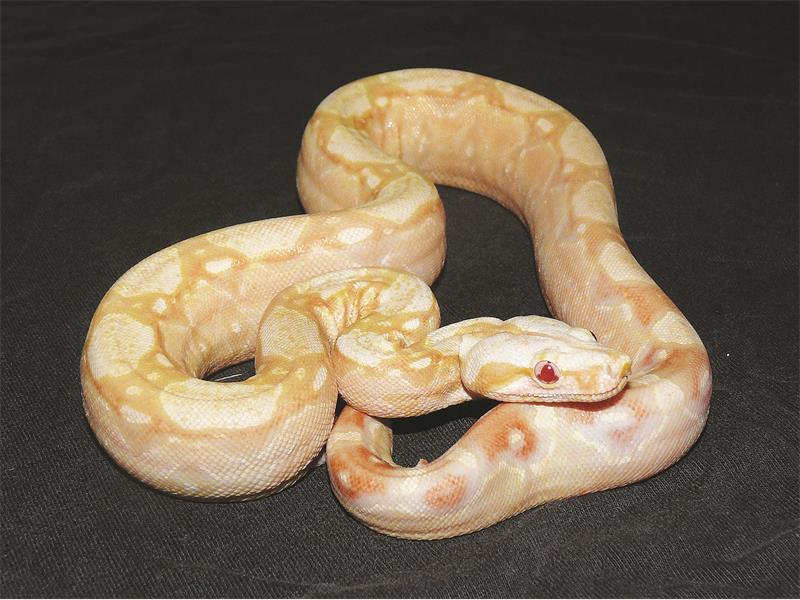
“Mommy, I want a pet snake!”… I’m sure those words, or even the thought of them has crossed many a mother’s mind, while visiting a reptile park, pet shop or after a show about reptiles on the television. Nightmares of snakes on the loose in the house, diseases, sick children, horrible smells, and rodents everywhere are quick to follow, along with others such as the child being bitten, or heaven forbid someone else (read mother) being bitten.
Firstly, let’s define a pet. A pet is a domesticated animal that can be handled, cuddled, taken for walks, and brings a means of fulfillment to the keeper, while instilling a sense of duty towards the maintenance and well-being of the animal. Snakes can never be “domesticated” in the way that cats and dogs have been. They are wired differently. They may get used to being handled, but they will always remain wild animals, no matter how many generations of breeding has taken place. They are wired to hunt, survive and procreate. Some species are less likely to bite than others, due to their nature, and can never really be cuddled like a puppy or kitten. Although the latter normally doesn’t take too kindly to cuddling in any form anyway…
Snakes that are sold as pets are normally harmless constrictors. The main “pet snakes” sold are House Snakes, Ball Pythons, Boas, Corn Snakes and Western Hog Snakes (considered mildly venomous, but not harmful), to name a few. The bigger pythons are normally left for the more experienced keepers, as they can attain large sizes, and require more than one person to work with them.
Why keep an animal that will always be wild? For many there are varied reasons. The color of the snake was attractive, the lizard is cute, the Ball Python is so adorable when curled into a ball… By all accounts, these are similar phrases used when purchasing a pet mammal, and like any pet, reptiles are a lot of work, can be expensive, and require serious dedication and specific husbandries for each species that must be met before even thinking about purchasing one.
Reptiles make wonderful pets. They are hypoallergenic, they require one meal every week to two weeks, most get used to being handled, and their cage requires cleaning as soon as it is soiled, along with fresh water every three days. Sounds easy enough, right? Well, not that simple really. The enclosure needs to be secure and escape proof (fish tanks are for fish, not reptiles or mammals), they need to have enough hiding space to feel safe in their micro habitat, they require heating with a thermostat attached to prevent overheating the reptile, reptiles love making a mess in their water bowl, so be prepared to change the water more than twice a week, feeding frozen thawed food (legal and safety aspects) is required, lizards require UVB lighting and calcium suppliments. These are just some of the basic requirements for keeping a pet reptile. When a reptile is sick, specialized vets are required that can handle reptile diseases, and the animal’s husbandry will have to be modified during the recovery period.
Some reptiles are unsuited to captivity. All Tortoises, all indigenous Chameleons and native Monitors/Leguaans are all protected by law (fines and prison sentences are enforced), require specialized habitats and equipment, as well as specific diets that can not always be met in captivity resulting in poor health, illnesses and permanent deformities.
Reptiles are also a long term commitment. Some species can live for over 20 years in captivity, and that requires dedication. So, before running off to the store to get your son or daughter their beloved pet snake, do some research, plan, explain to the child what needs to be done on a daily basis, and ensure that they understand the dedication and commitment required to own such a special pet.
They are amazing animals to keep as pets, and often instill a need for more knowledge in the child keeper, and watching a reptile in a naturally set up enclosure can be a rewarding and addictive hobby. Another quirk that often happens with young reptile keepers is a thing called herping… This is the act of going out and actively searching for reptiles in nature, which should be done with care, and a basic knowledge of the reptiles in the area you are searching. This can also bring about a new found appreciation for nature as a whole, from trees and birds, to the types of habitats used by specific animals, and how each part of nature interacts.
Hamsters, kittens and gerbils are great pets for kids, and just as much are reptiles. Be prepared to unleash a nature fanatic when your child gets their first reptile, and count on having many more.
Also read:Smitten by snakes: Brown House snakes worlds top pets controlers.
Find us on;Facebook, Twitter, and on Whats App 060 986 0731.