
Eating tips for children who are picky eaters
Do you struggle to get your toddler to eat, well just about anything? They would rather play than eat, or they just don’t like the food or they’re simply just never hungry. Don’t stress, you are not alone.
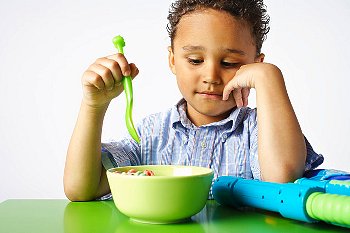
Do you struggle to get your toddler to eat, well just about anything? They would rather play than eat, or they just don’t like the food or they’re simply just never hungry. Don’t stress, you are not alone. Many parents worry about their toddler’s appetite, or rather lack thereof.
Below is a compiled list to help you prevent and hopefully eliminate those mealtime battles.
1. Do not force feed them.
If your child isn’t hungry, don’t force a meal or snack. This might only ignite a power struggle between you and your child, and more than likely, you will lose that battle. Serve small portions of food when they do actually decide to eat something; this gives them the “power” of asking mommy for some more afterwards.
2. Routine is important.
Serve meals and snacks at the same times every day. They can drink milk or fruit juice with their food, but make sure they drink a lot of water between meals and snacks. So when supper time comes around you’re not so stressed if they don’t want to eat.
3. Be patient.
Although it is very frustrating having to worry about your child’s health, as long as they are getting enough nutrition, just be patient. They do indeed get the nutrition they need with all the other snacks they eat during the day. Children are in general fussy eaters, but they will grow out of this stage eventually.
4. Make it fun.
Instead of serving the usual plate of food, make the food look fun. Use the veggies and the meat to make smiley faces, or cut their toast or potatoes into different shapes using a cookie cutter. The more appealing the food appears to be, the more interested the child will be to eat it.
5. Let your child help with the grocery shopping.
Take your child along when doing the shopping. Allow them to choose some of the veggies, fruits and even food. This way they will feel they are in charge of what they eat and therefore they will want to eat their supper. Just make sure healthy food goes into the basket.
6. Set a good example.
If you yourself are a fussy eater then you cannot be irritated if your child does the same. Children follow by example, not by advice. So if there are certain foods you do not like, don’t mention it in front of your child; this will automatically eliminate the “I don’t like this” you have to hear on a daily basis.
7. Get creative.
If your child does not like vegetables, accept it’s a relatively common problem among children. Get creative when preparing food. Remember a child’s mind is easily persuaded. This might sound gross but bake some cookies and add some mashed veggies into the batch. They will eat it because it’s a biscuit first of all and they won’t even know there are veggies in. Basically hide all the food they don’t like in all the foods they do like.
8. Do not offer dessert as a reward.
“If you eat all your food, you can have pudding.” By doing this you are teaching your child dessert is the best part of a meal, thus prompting their desire for sweets. Have one or two nights a week where dessert will be served afterwards, and the rest of the week leave it out of the menu.
9. Minimise distractions.
Children are distracted easily. When there is too much going on around your child, they are going to be more interested in anything else except their plate of food. Make sure TVs and cellphones are switched off and the dogs are outside. The fewer distractions, the better they will eat.
10. This is not a hotel! Eat what is on your plate.
Parents often make the mistake of cooking their child a different meal to theirs. Stop this immediately. You are basically adding to the problem and telling your child their actions are okay. At the end of the day you are in charge, not them. Make them sit at the table until everyone has finished their meal, regardless if he or she eats or not. They will soon realise you are not a short-order-cook and eat what is served to them.
Your child’s eating habits are not going to change overnight, but it’s all the small steps you take every day that will make a difference one day. So mommies, it will get better.