
Where does the Easter Bunny come from?
As the mascot for Easter, the Easter Bunny plays a big role in the celebrations for children. But where does he come from?
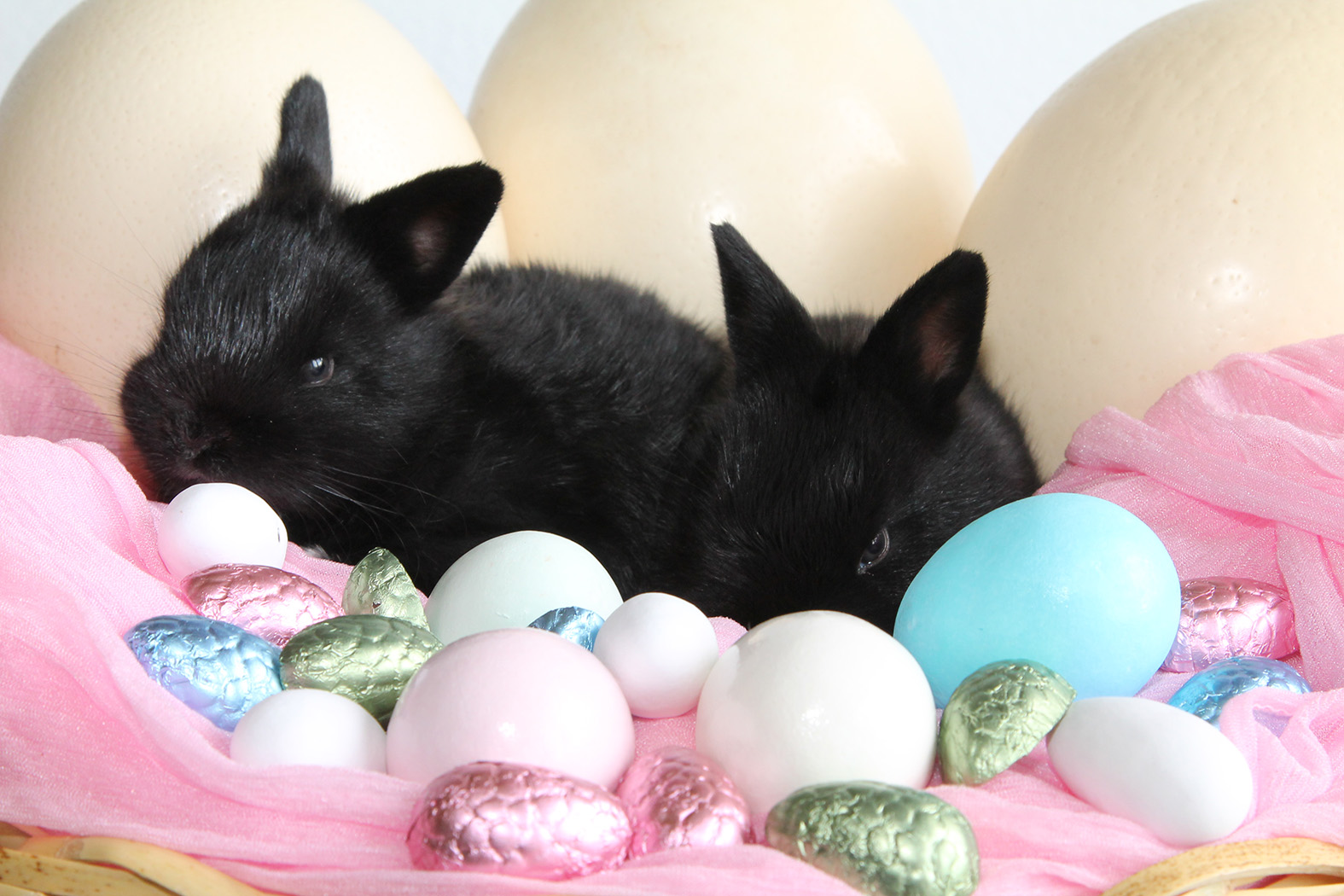
No Easter is complete without the Easter Bunny hopping by to deliver chocolate Easter eggs.
However, the Easter Bunny appears nowhere in Christian belief, leaving the question, where does he fit in?

Going back into history, the origins of the Easter Bunny can be found in the most unusual of places.
In the northern hemisphere, Easter takes place in Spring, the season of rebirth and renewal. During this time plants return to life after the winter and many animals begin to mate and procreate.
To celebrate the renewal of life and promote fertility, many pagan cultures held Spring festivals to celebrate this.
One such festival was in honor of Eostre or Eastre, the goddess of dawn, spring and fertility, a deity who was held in high regard to the pagans of Northern Europe. What many people don’t know was that she closely linked to the hare and the egg, both symbols of fertility.

As Christianity spread, it was common for missionaries to place pagan ideas and rituals within the Christian faith and turn pagan festivals into Christian holidays. Some believe the Eostre festival occurred around this time, when the Christians’ began celebrating Christ’s resurrection.
Turning two celebrations into one, with a of blending of the cultures, it was only natural the pagans would bring the hare and egg images with them into their new faith.
As pagans hung on to the rabbit, it eventually became a part of Christian celebration, with the concept of the Easter Bunny eventually spreading as people from the Northern Hemisphere travelled across the globe, sharing the beliefs.

As the furry critter has captured the hearts of many a child, with his sugary treats, it is believed the Easter Bunny’s popularity has grown to such an extent it is believed he lives in a top secret location, hoarding thousands of chocolate Easter eggs for the Easter holidays.