Development Hub: Breaking the stigma about epilepsy
The course was aimed at people living with epilepsy and other neurological disorders, those affected by epilepsy, and their caregivers, to educate, upskill, and empower them to be participating members of society.
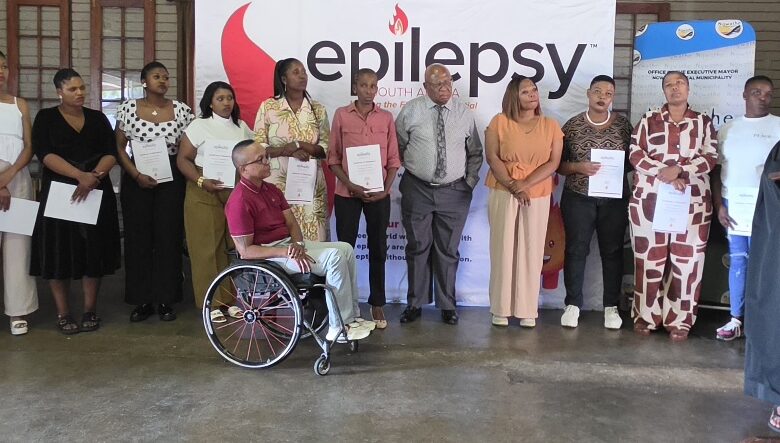
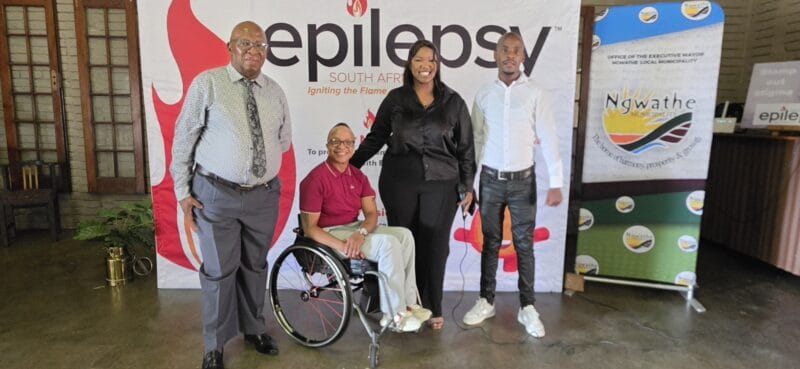
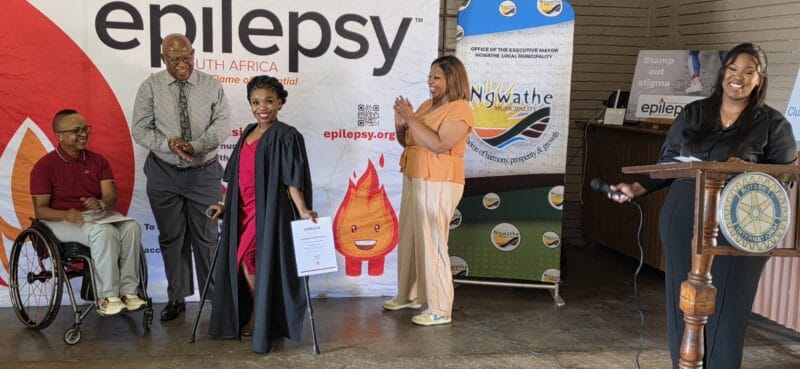
t was a proud moment for graduates of the Epilepsy SA Development Hub over the past week as they received their certificates after six months of hard work and dedication. The training, developed by the South African Intersectoral Global Action Plan, was held at Epilepsy SA’s Free State/Northwest branch in Parys since September last year.
The course is aimed at people living with epilepsy and other neurological disorders, those affected by epilepsy, and their caregivers, to educate, upskill, and empower them to be participating members of society. But most importantly, to break the stigma about epilepsy and neurological disorders by building a strong and supportive community.
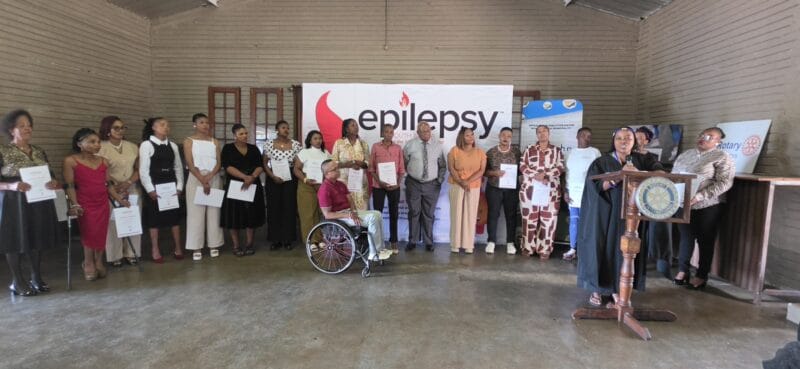
In an encouraging message, Ngwathe Local Municipality’s Executive Mayor, Victoria de Beer-Mthombeni, appealed to the graduates to be proud of themselves for what they have achieved, to take what they have learned, and to go and make a difference.

“Each of you has a story. No one can change your story, except yourself,” the mayor said.
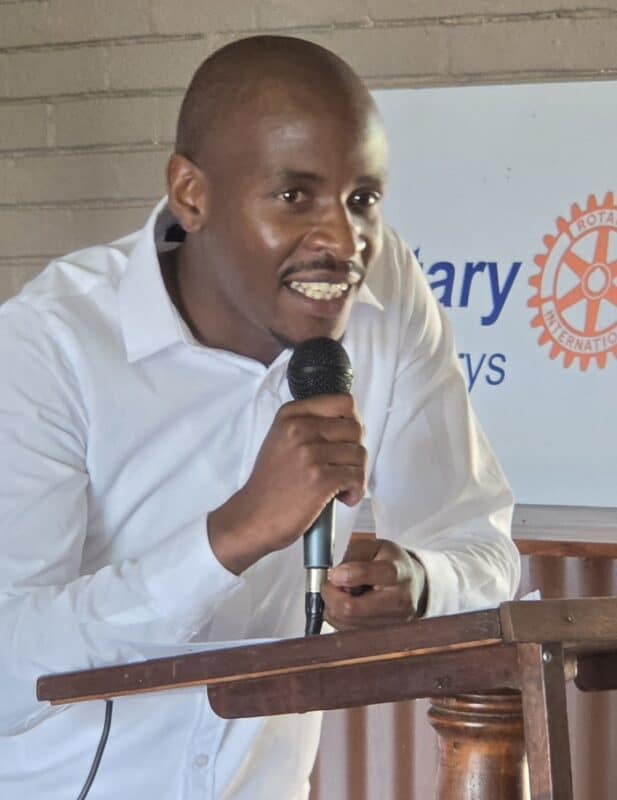
Sharing her experiences, lessons learned, and plans ahead, one of the Development Hub graduates, Palesa Nkonoane, remarked that although the graduation ceremony marks the end of a journey of learning, it also marks the beginning of a journey of passion.
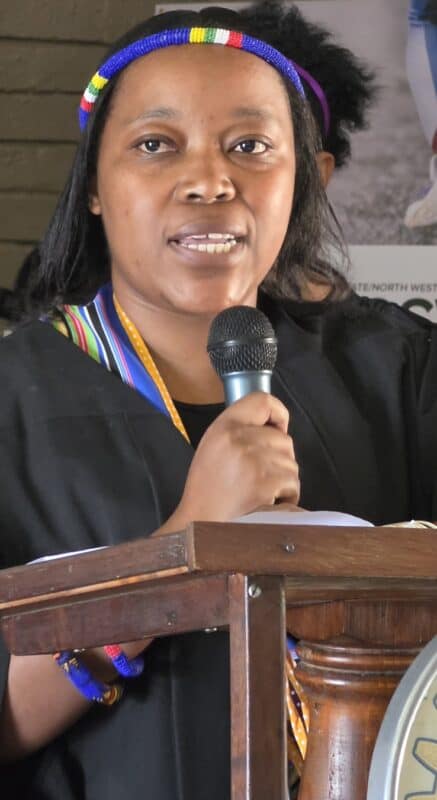
Nkonoane testified that they, as graduates, had chosen to learn, to listen, and to care. They explored what epilepsy and other neurological disorders truly are, and through the training replaced myths, misconceptions, and stigma with knowledge. In doing so, we have taken the first step towards changing our response towards the way we treat people living with epilepsy and neurological disorders, Nkonoane added.
She emphasised the importance of support for these patients.”There is a need for understanding for these patients, whether it is from family, health care providers, or community members. Each of us has a role to play,” she concluded.
“We now have the tools to speak up where there is discrimination against those living with epilepsy and neurological disorders. Change does not happen in isolation. It happens when people come together.”