Why wildlife rehabilitation is critical infrastructure in rural South Africa
Wildlife rehabilitation works within a narrow window.The period immediately after injury or toxin exposure is critical.
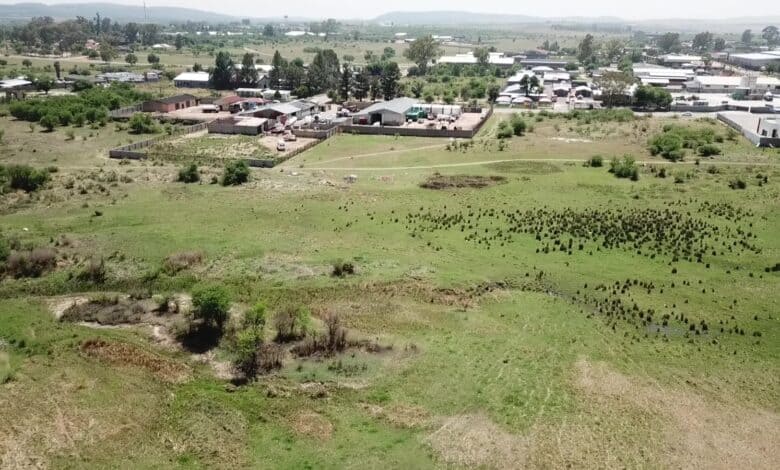
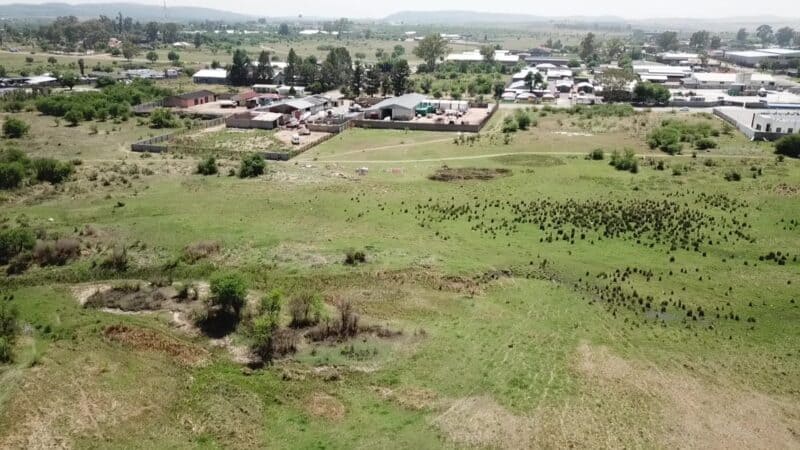
Along the banks of the Vaal River in Parys, wetlands shift with the seasons. Water levels rise and fall. Reeds expand and fade away. Birdlife moves in response.In this landscape, wildlife rehabilitation is not a support service. It is essential infrastructure. When a bird is injured here—through entanglement, poisoning, or collision—its survival depends on access to prompt, professional care. Without that access, even minor injuries can become fatal. In rural systems, distance is often the deciding factor between recovery and loss.
A system under pressure
Agriculture shapes the Northern Free State. At the same time, ecological vulnerability defines the region.The region falls within the Grassland Biome, one of the most threatened ecosystems in South Africa. At the same time, it is still central to food production. Farms, wetlands, and man-made structures exist side by side.Birds move across this landscape daily. In doing so, they face multiple risks: pesticides, power lines, fencing, and shifting land use. These hazards accumulate over time and place constant strain on bird populations.In this context, the absence of local rehabilitation capacity is not a minor gap. It is a structural weakness.
Birds as functional assets
Birds are often valued for their presence. Their function is less visible, but more important.Raptors regulate rodent populations. Scavengers reduce the spread of disease. Wetland species support nutrient cycling and the health of water systems. Together, they form part of the ecological foundation that supports agricultural productivity.When bird populations decline, the impact stretches beyond conservation. It affects the stability of the broader framework.
The mechanisms of decline
In rural agricultural areas, several factors drive injury and mortality:The misuse of agrochemicals causes direct and indirect poisoning.Lead fragments from ammunition contaminate carcasses.Power lines and roads cause collisions.
Changes in land use place pressure on habitats.These are not isolated incidents. They are predictable outcomes of a working landscape.The question is not whether events will occur. The question is whether there is the capacity to respond.
Time determines survival
Wildlife rehabilitation works within a narrow window.The period immediately after injury or toxin exposure is critical.
Early intervention can stabilise a bird and prevent further decline. Delayed treatment significantly reduces the chances of recovery.In rural areas, delays occur often. People often transport birds over long distances to reach suitable facilities. During transport, stress, dehydration, and physiological shock set in.
Many species react poorly to handling, and transport itself can become fatal.Local access changes this outcome. It reduces delay, limits stress, and allows help when it is most effective.
Rehabilitation as a structured response
Professional wildlife rehabilitation is a controlled process:Immediate assessment and safe intake.Stabilisation of critical conditions.Targeted medical treatment.Gradual rehabilitation to restore function.Release into a suitable environment.Trained personnel, proper facilities, and regulatory compliance support each step. Without this structure, teams compromise outcomes. Informal or untrained actions often cause long-term harm.Rehabilitation, when properly executed, is not reactive. It is structured.
The economic case
Wildlife rehabilitation supports more than conservation. It strengthens economic sustainability by maintaining biodiversity, which underpins agriculture, tourism, and local enterprises.Birds provide measurable ecosystem services. Raptors such as owls and kestrels help control rodent populations in maize and grain-producing areas.
Scavengers such as vultures remove carcasses, reducing the spread of diseases like botulism and anthrax. Waterbirds contribute to wetland health by keeping balance in aquatic ecosystems. These functions reduce dependence on chemical inputs and support long-term farm productivity.
There is also a wider economic layer. Biodiversity supports tourism, particularly birdwatching in areas such as the Vredefort Dome and surrounding wetlands, where visitors contribute to local accommodation, guiding, and hospitality businesses.
It supports small enterprises, from tour operators to conservation services. It also creates opportunities for skills development in animal care, environmental management, and field-based research.
Rehabilitation centres contribute by sustaining species presence, generating environmental data, and supporting education.
By returning functional species such as raptors and scavengers to the landscape, they help preserve natural pest control and lower disease risk. The data collected during treatment and release inform better land and conservation decisions.
Education programmes build awareness and minimise harmful practices such as poisoning. Together, these actions support more stable ecosystems, which in turn underpin agricultural productivity and rural economic sustainability.
A gap in infrastructure thinking
Despite its role, wildlife rehabilitation is rarely treated as infrastructure.Planning frameworks prioritise visible systems such as roads, water, and energy. Ecological assets are still neglected, even where it directly supports economic activity.In rural regions, this creates uneven access. Facilities are concentrated in certain areas, leaving large regions without coverage.
Outcomes then depend on geography rather than need.Rehabilitation centres provide a critical function:Responding to wildlife emergencies.Generating environmental data.Supporting conservation outcomes.Enabling education and awareness.Recognising this role is the first step towards addressing the gap.
From observation to strategy
In the Northern Free State, a clear gap exists between incident and intervention. People find birds, transport them over long distances, and too often lose them along the way. This pattern repeats consistently.Addressing this pattern requires more than awareness. It requires local rehabilitation capacity.
The establishment of local rehabilitation capacity is a direct response to this gap. It reflects a deliberate shift from informal, reactive care to structured, professional help.It is a strategic response to a clearly defined capacity need.
The role of partnership
Sustaining rehabilitation capacity requires alignment across sectors.Agriculture, conservation, and industry all work within the same landscape. Each has a stake in its long-term stability.Corporate social investment has a clear role to play. Supporting rehabilitation capacity and facilities delivers measurable outcomes: improved survival rates, stronger ecosystems, and more resilient agricultural systems.This is not a short-term intervention. It is a long-term investment.
Conclusion
The wetlands of Parys reflect the broader system—productive, yet exposed to risk. Here, access to rehabilitation decides outcomes.
Wildlife rehabilitation sits at the intersection of ecology, agriculture, and community. It underpins the systems that sustain rural stability.Build wildlife rehabilitation infrastructure now. Long-term sustainability depends on this commitment.
About the author

Marisa Louw is the Head of Operations and Communications at Parys Wetland Avian Development and Emergency Rescue (Parys WADER). She has a lifetime of practical experience in the care, stabilisation, rehabilitation, and release of wild birds