
1 in every 50 people affected by hair loss
There is no universal cure for alopecia, but home care and professional treatments can stimulate hair growth and help prevent hair loss.
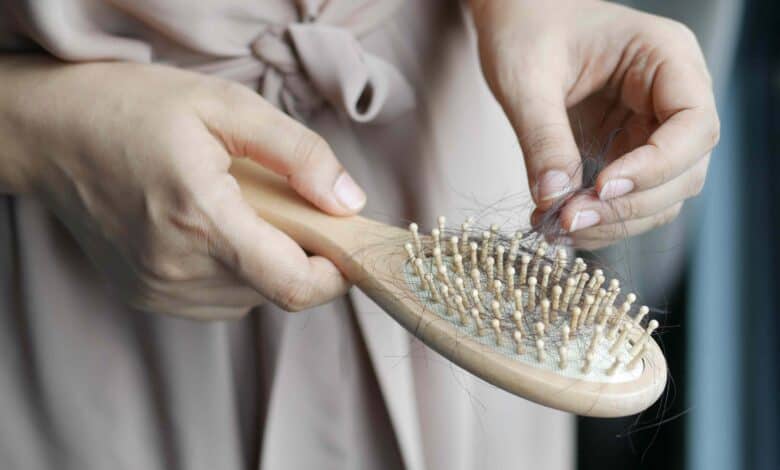
.It is estimated that around 2% of the global population will experience hair loss (alopecia) at some point in their lives, which means that roughly 1 in every 50 people may be affected.
Alopecia is the medical term for partial or complete hair loss from the head or body. There are many different types of alopecia.
Different types and causes of alopecia?
Alopecia Areata: An immune system condition that leads to sudden, round, or oval bald patches on the scalp or body.
Androgenic Alopecia: A genetic condition also known as male-pattern or female-pattern baldness.
Traction Alopecia: Hair loss caused by tight hairstyles such as high ponytails, braids or extensions.
Telogen Effluvium: Temporary shedding that occurs when severe stress, illness or hormonal shifts push large numbers of hair follicles into a resting phase all at once.
Alopecia Totalis: The complete loss of hair on the scalp.
Can alopecia be prevented?
Preventing hair loss entirely is challenging, especially when genetic and hormonal factors drive it. However, several strategies and treatments can slow hair loss and, in some cases, regrow hair. Here are some key approaches:
- Medication
- Lifestyle changes including changes to your diet and stress management, because chronic stress can contribute to hair loss. Techniques like meditation, exercise, and sufficient sleep can help manage stress levels.
- Avoiding harmful hair practices: Limiting the use of heat styling tools, harsh chemicals, and tight hairstyles can prevent hair damage and breakage. Avoid hair products that contain sulphates.
- Medical Aesthetic Treatments including Platelet-Rich Plasma (PRP) involving injecting the patient’s own platelet-rich plasma into the scalp to stimulate hair growth, or low-Level Laser Therapy.
- Hormonal Treatments. For women: Hormonal therapies, such as oral contraceptives or anti-androgens like spironolactone, can be effective in managing hair loss related to hormonal imbalances.
- Avoid triggers. Some medications such as cortisone can cause hair loss.
- Home care treatments include specialised shampoos and conditioners, as well as scalp serums that contain ingredients to calm inflammation and stimulate hair follicles.
Hair Transplants
- Follicular Unit Transplantation (FUT): Involves removing a strip of scalp and transplanting hair follicles to the thinning areas.
- Follicular Unit Extraction (FUE): Involves extracting individual hair follicles and transplanting them.
Regular Scalp Care
Regularly cleansing and massaging the scalp can improve blood circulation and follicle health.
Can alopecia be cured?
Unfortunately, there is no universal cure for alopecia, but home care and professional treatments can stimulate hair growth and help prevent hair loss.
When should you seek medical advice?
See your doctor if you are distressed by persistent hair loss, or if you notice sudden or patchy hair loss. Sudden hair loss can signal an underlying medical condition that requires treatment. While alopecia is a physical condition, it can have a major impact on one’s confidence and mental health, and is often associated with anxiety and depression.