Measles: Urgent appeal to parents to check vaccination records
Measles is a highly contagious disease.
Since the first Measles case for the Fezile Dabi district was reported in December 2025 in Koppies, a total of 139 cases have now been reported for the district of which 91 were confirmed. Of these stats, five cases were in Parys and Vredefort.
Measles is a highly contagious disease, caused by a virus transmitted through direct contact or airborne droplets for example when you sneeze or cough.
The disease weakens the immune system, causes a total-body skin rash, flu-like symptoms and makes the child more vulnerable to other infectious diseases.
In 2021, there were 9 million measles cases and 128 000 reported deaths globally.
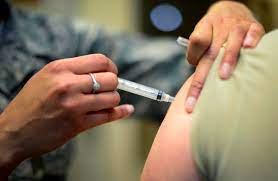
Measles is however a vaccine-preventable disease, meaning vaccination is critical to eliminate the disease.
According to a study in the South African Medical Journal (SAMJ), the COVID-19 pandemic caused a massive disruption to standard childhood immunisation programmes. The World Health Organisation also stated that routine immunisation programmes were badly disrupted, and millions of kids missed out on life-saving vaccinations against deadly diseases like measles
The Department of Health therefor urges parents, caregivers, schools and the wider Parys and Ngwathe community to work together to prevent the spread of Measles.
Because it spreads so rapidly, one case of Measles in a household, school or crèche can expose many other people.
Know the signs of measles
- Fever
- Cough
- Runny nose
- Red or watery eyes
- A red, blotchy rash that usually starts on the face or head and spreads downwards over the body
If your child develops fever and a rash, please seek medical attention promptly and inform the healthcare worker that you suspect measles.
Vaccination at school
An important appeal is made to parents and caregivers to give consent for vaccination at school:
When you receive a consent form requesting permission for your child to receive measles vaccination at school, please complete, sign and return it as soon as possible.
During a measles outbreak or response campaign, teams from the Department of Health may visit schools to vaccinate eligible learners. A child may miss an important opportunity to be protected if the required parental consent is not returned.
Parents should therefore should not ignore or delay completing vaccination consent forms sent home by schools.
If you have questions or concerns about the vaccination, speak to the school or your local healthcare facility rather than simply withholding the consent form.
What happens when a Measles case is identified?
When a learner has suspected or confirmed measles, healthcare workers may investigate people who have had close contact with that learner.
This can include:
- Members of the learner’s household;
- Learners and staff at the school or crèche; and
Other people who may have had significant contact with the person. - These contacts may be assessed by healthcare workers and, where appropriate, offered measles vaccination as part of the outbreak response, even when previous vaccination has been reported.
This rapid response is important because measles can spread before everyone realises that an infected person has the disease.
Why vaccinate contacts?
- Vaccinating eligible contacts helps to:
- Protect people who may have been exposed to measles;
- Reduce the chance of further transmission;
- Prevent additional cases in families and schools;
- Protect vulnerable people who cannot be vaccinated; and
- Improve community or herd immunity.
The more people in a community who are protected against measles, the more difficult it becomes for the virus to spread.
Parents and caregivers are encouraged to check their children’s Road-to-Health Booklets and ensure that routine vaccinations are up to date. - What should you do if vaccinations have been missed?
- Rake your child to your nearest clinic for assessment and catch-up vaccination.
- It is not too late to catch up missed vaccinations.
- What if your child has suspected Measles?
Please do not send a child with fever and a rash to school, crèche or day care.
Seek healthcare promptly and inform the healthcare facility about the symptoms so that appropriate infection-prevention measures can be taken.
If healthcare workers contact your household or school following a suspected or confirmed measles case, please cooperate with the investigation and vaccination response. This helps health teams identify exposed people quickly and prevent further transmission. - Appeal to Parys and Ngwathe
- Stopping measles requires the cooperation of the whole community. That is why parental consent for vaccination is so important.
When vaccination is offered at your child’s school as part of the measles response, read, complete, sign and return the consent form promptly. - By vaccinating eligible children and responding quickly when a Measles case is identified, we protect not only individual children but also their classmates, families and the wider community.
It is recommended that every child receive the measles jab, regardless of their vaccination history.