Local newsNews
Be mindful where you harvest watercrest
As it is the case with most aquatic species, watercress absorbs pollutants from the water.
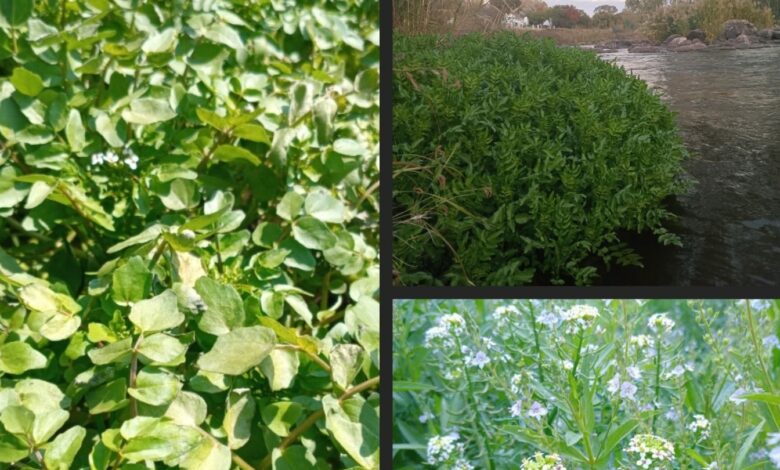
Nasturtium officinale
Watercress/Bronkhorst
Most of you would know this plant’s namesake the cheery and peppery nasturtiums that graces summer gardens and salads, but while we patiently wait for summer to arrive, this time of year the only splashes of greenery you will most likely encounter on our frost bitten and burnt winter landscapes is watercress popping up everywhere in our rivers, streams, canals and where the soil is constantly damp.
Watercress has proven to be a tenacious invasive species in our area. It is already well established up and down the entire lenght of the wetland and it won’t be going anywhere soon… or ever for that matter with millions of seeds biding their time in the soil.
Watercress originates from Eurasia where it has adapted to thrive in cold flowing streams and used as valuable food source for centuries which inevitable resulted in them finding their way to our shores. As with most leafy vegetables it belongs to the Brassicaceae family which icludes the humble cabbage.
Watercress has a peppery, crunchy and almost slight lemony taste which tends to be at its best well before the plant starts producing flowers. When it starts producing clusters of white flowers followed by green seed pods, the overall taste becomes bland and fibrous.
They tend to start flowering profusely as spring temperatures starts to rise and daylight hours start to get longer. Foragers just snap of the tops of new fresh growth, a thorough rinse and wash and you have lovely greens to add to the menu.
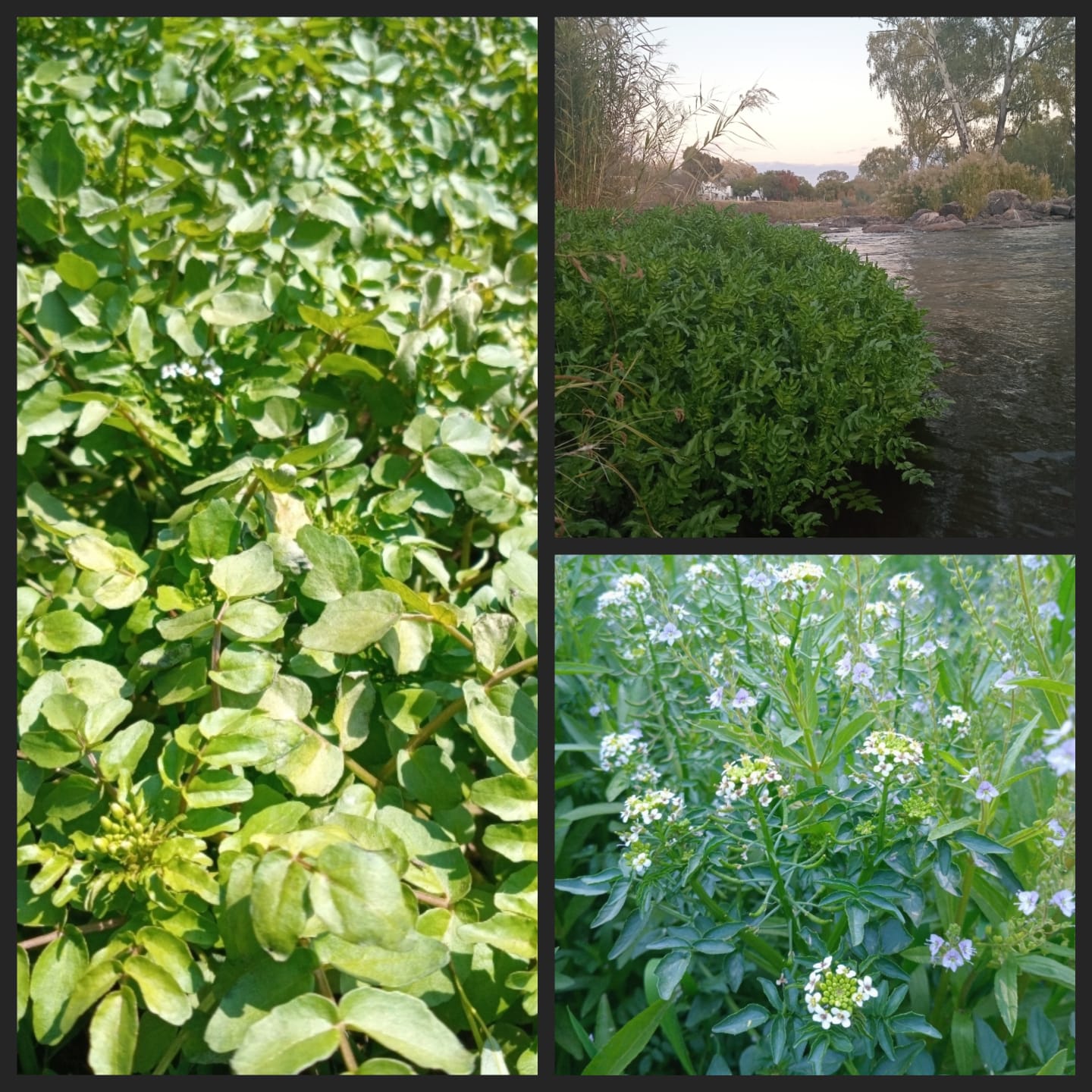
Watercress/BronkhorstPicture credit: Danie Venter.
Plants growing in constant flowing unpolluted water is ideal for foraging since watercress growing in still standing boggy conditions tends to remain small and leathery.
Sadly one should be mindful of where you harvest watercress since as it is the case with most aquatic species, it absorbs pollutants from the water. Despite watercress being an extremely successful invasive species in our aquatic environments it has proven to be quite tricky to cultivate in home gardens and commercially because of its preference for constant flowing water and short shelf life.
Hopefully in the very near future when the Parys wetland area has returned to its pristine former glory with clean flowing streams we might see the wetland provide additional food security in our communities, or provide an opportunity for budding entrepreneurs to cater to niche and gourmet markets in a sustainable and local manner.
At Caxton, every story is written by humans. We use AI only to perform quality checks - never to generate the news. Happy reading!