“South Africa’s Unwelcome Guest: Bugweed’s Grip Tightens”
Everything from the bugweed plant is regarded as toxic to humans and livestock and definitely not a child friendly plant in your garden.
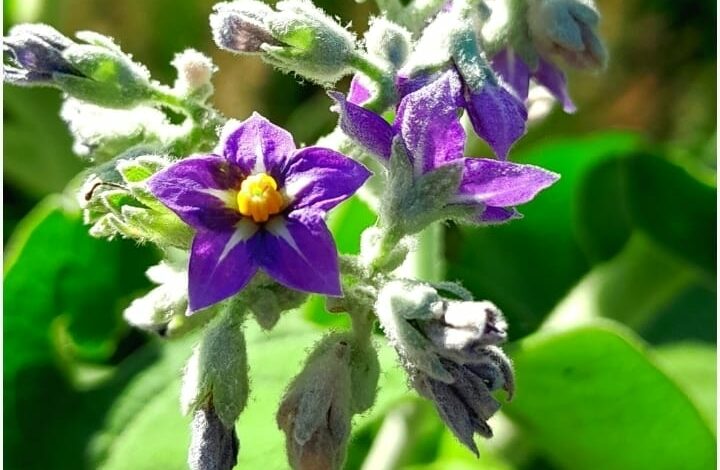
Solanum mauritianum also known as Bugweed (Luisboom/Bitterappel) or Lebitla is thought to have reached our shores as an accidental transfer via the Portuguese shipping routes sometime during the 1600’s from their native range in South America, and was first recorded in KwaZulu-Natal in the 1860’s.
From there bugweed spread well over South Africa wreaking havoc on our native ecosystems. Bugweed is a lurker in most gardens where birds spread the yellow poisonous seeds far and wide.
Today bugweed is a Category NEMBA 1b invasive species of the National Environmental Management: Biodiversity Act (NEMBA). This classification means it is a problem weed that requires compulsory control, and it is illegal to trade, plant, or possess.
The fuzzy silvery leaves and beautiful purple flowers adds a tropical feel to landscaping, particularly areas like Parys where harsh winters kill most tropical ornamentals while bugweed readily survives the full brunt of our winters and adds fuel to the fire with their rapid spread over the landscape.
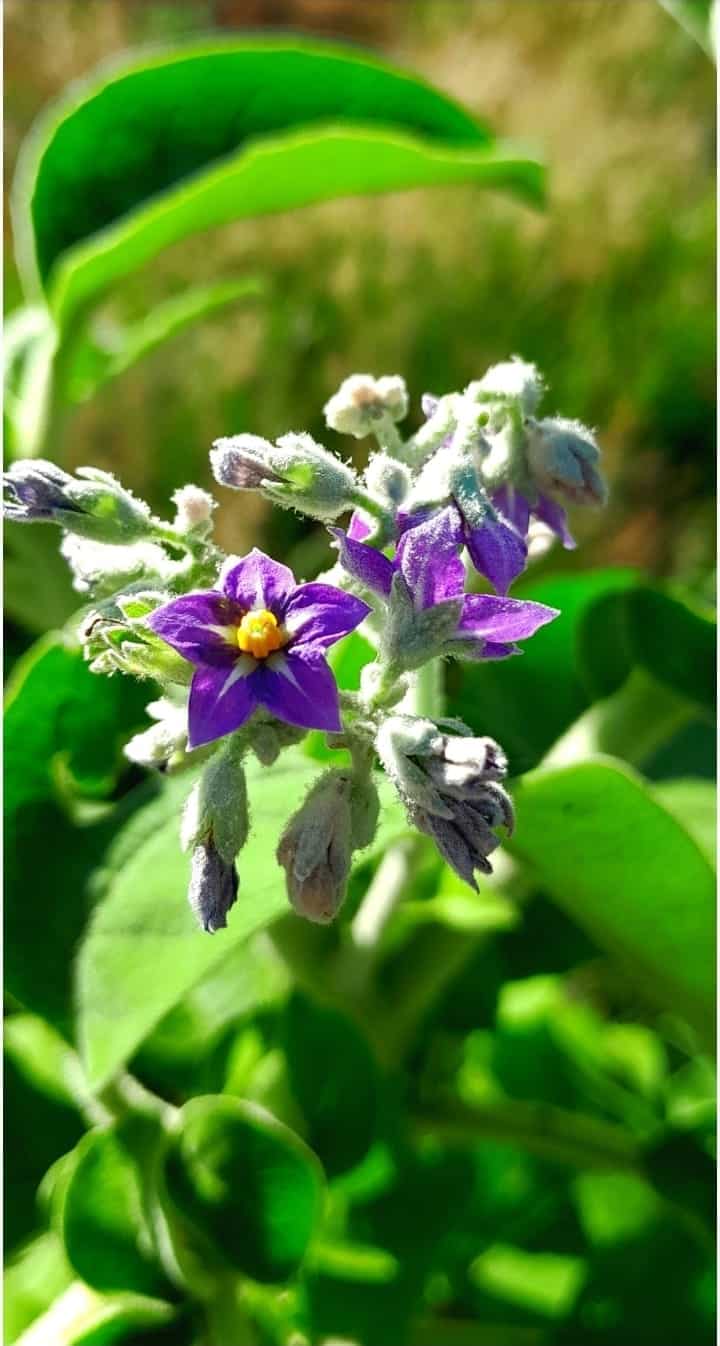
Being part of the vast Solanaceae family that includes tomatoes, potatoes and tobacco these plants harbour viral, bacterial and fungal pathogens that could detrimentally affect other commercial Solanaceae crops. South Africa uses biocontrol to control the spread of this pest in the form of a flower bud weevil, Anthonomus santacruzi, however it isn’t clear if the weevils is active in our bugweed populations in the area.
Everything from the bugweed plant is regarded as toxic to humans and livestock and definitely not a child friendly plant in your garden. When removing this plant make sure to get the root stock out as it resprouts easily and avoid contact with your skin as some people do have skin reactions.
It is common around Parys and thankfully no dense monoculture thickets have taken hold in the area like elsewhere in the country. So, let’s curb this pest rather sooner than later.