Proud ambassador for Parys WADER
When it comes to rehabilitation, successful care depends on minimising human habituation, enforcing strict biosecurity measures, and maintaining detailed intake records for regulatory compliance.
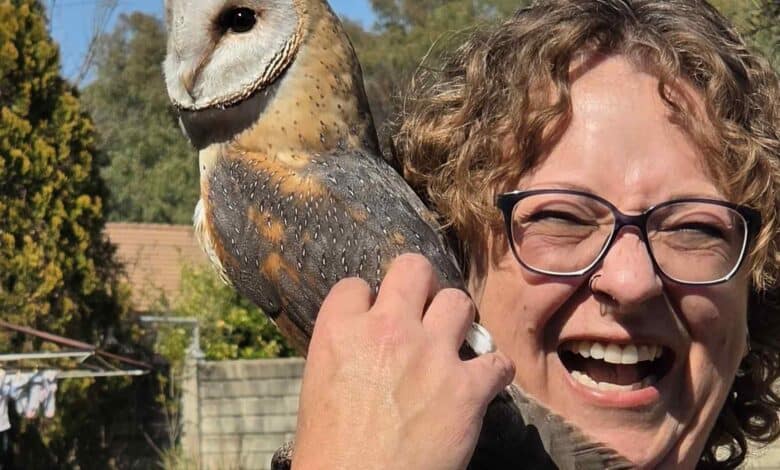
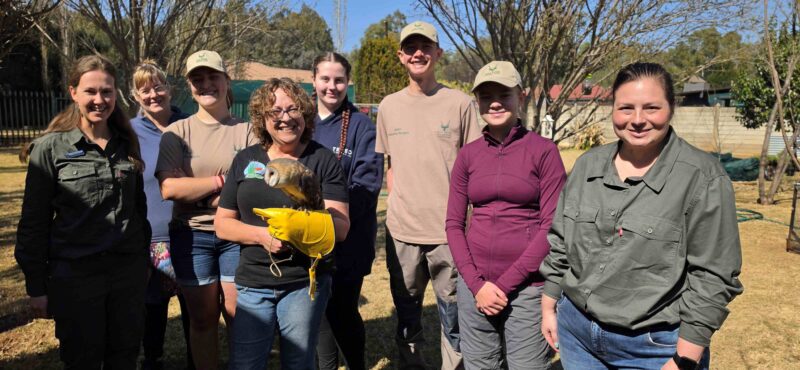
Nonna, the Western Barn Owl, is Parys WADER’s proud ambassador. She arrived at Parys WADER in December 2025, already imprinted on humans, which means she can never be safely released into the wild.
After consulting with wildlife professionals, Parys WADER’s Marisa Louw decided not to euthanise her, but to train her as an animal ambassador. With her captivity permit in place, part of Nonna’s training is to expose her to selected educational talks to help explain the importance of correct rehabilitation and the role owls play in our ecosystems.
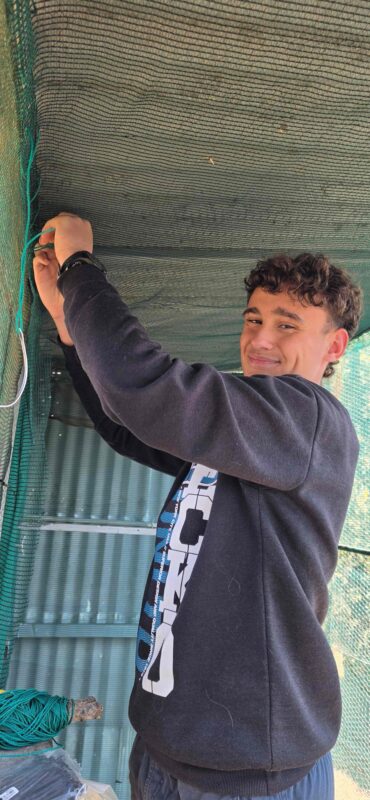
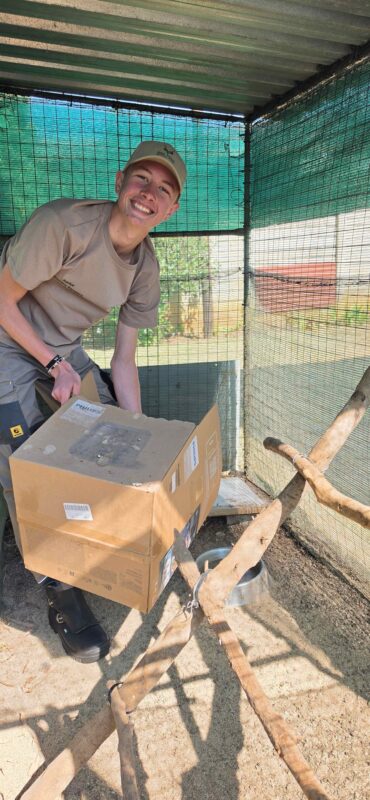
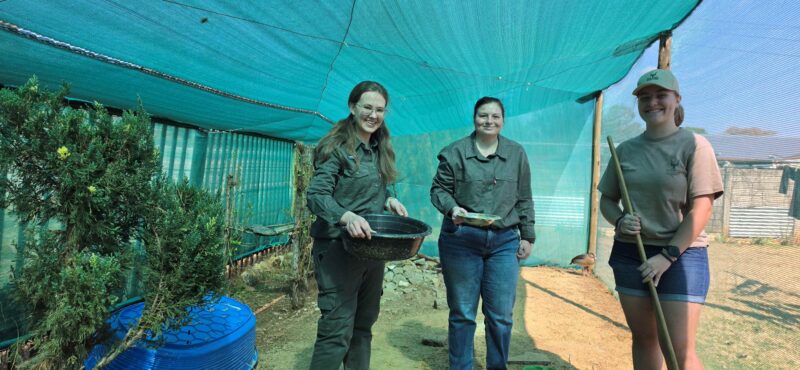
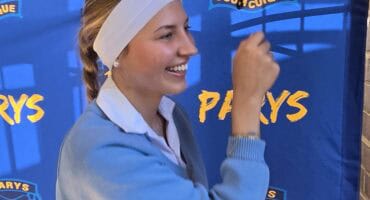
She had her first encounter with a school group as part of her training on August 15, when SANParke Honorary Rangers from the Vaal Triangle visited Parys WADER getting to meet Nonna, learning more about what wildlife rehabilitation is, and doing volunteering work at Parys WADER.
Referring to Nonna being raised incorrectly by humans, Louw explained that although Nonna looks comfortable around people, she is not a pet. She advised the visiting group not to try and raise baby wild animals when found abandoned, but to rather get it to a permitted rahabilitation facility as soon as possible. Good intentions can cause permanent harm, Louw warned.
When it comes to rehabilitation, successful care depends on minimising human habituation, enforcing strict biosecurity measures, and maintaining detailed intake records for regulatory compliance. Protocols prioritise stress reduction through species-specific housing and nutrition to ensure survival skills remain intact.
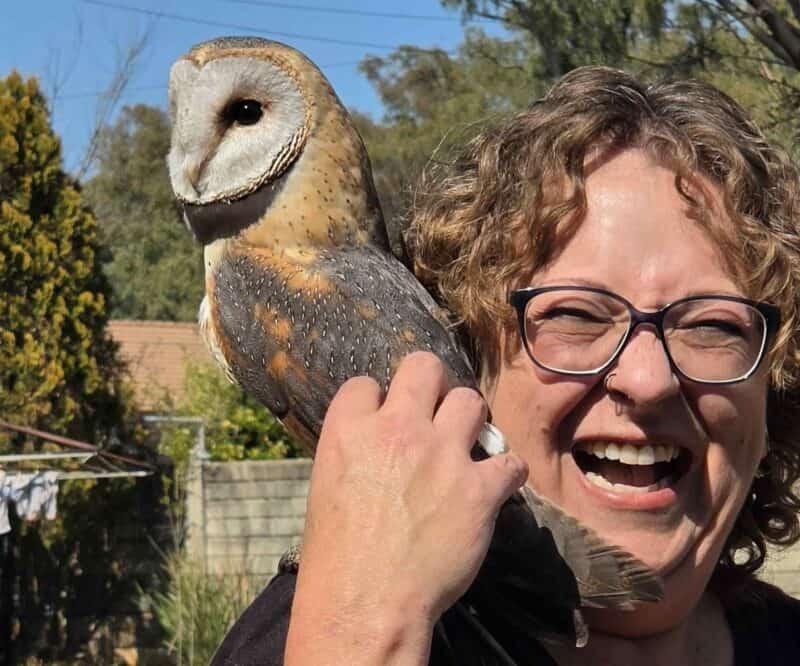
The primary goal of rehabilitation is to ensure animals can survive independently; therefore facilities limit physical contact. Utilising techniques like hand puppets is used for feeding so animals do not associate humans with care.
Louw stressed that natural enrichment must also be provided to ensure animals maintain essential skills like hunting, foraging, and predator avoidance.
Parys Wetland Avian Development and Emergency Rescue (Parys WADER) is a multi-faceted organisation where wildlife rehabilitation constitutes 25% of their operations. Their goal is to contribute to the development of a healthy bird population in our local wetland complex through community education and research. They also operate a 24/7 wildlife emergency hotline in the Fezile Dabi district.
The organisation’s goal is to establish a network of first responders to provide immediate care, noting that wildlife veterinarians are scarce in the Northern Free State.
Currently the facility has six patients in their care and visitors are welcome. For more information visit https://parysinfoandtourism.co.a/product/parys-waders/