
From Homemakers to Homeowners
From homemakers to homeowners, and increasingly to wealth creators, women are redefining what it means to own property in South Africa.
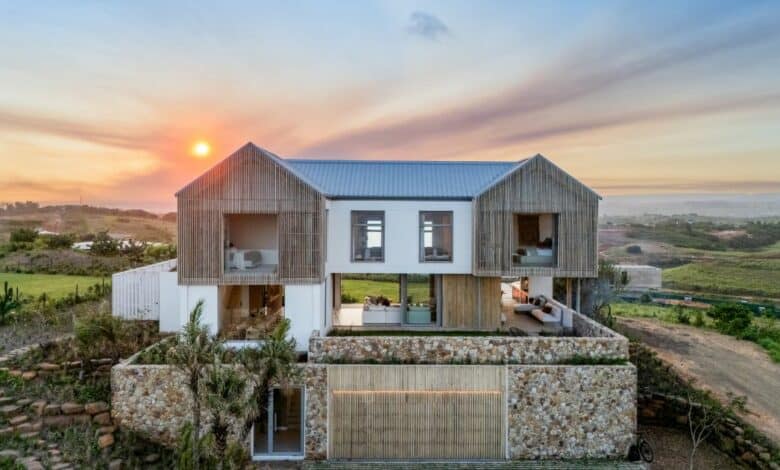
For generations, the concept of “home” has been closely linked to women not always as buyers or investors, but as caretakers, homemakers, and nurturers. Today, that narrative is evolving. Increasingly, women are taking centre stage not only in the emotional sphere of the home but also in its ownership, investment, and long-term planning. Melanie Clarkson, Head of Marketing at Collins Residential, with over a decade of experience in property marketing and community development, shares her perspective on how women are reshaping the property landscape and influencing the future of residential development in South Africa, drawing on insights from the North Coast’s leading lifestyle estates.
Recent data from Lightstone reveals that women now account for nearly 47% of property buyers in South Africa, with single women outpacing single men in property purchases. This statistic is a reflection of broader social and economic shifts. Rising financial independence, changing family dynamics, and a deeper awareness of property as a wealth-building asset are driving women to enter the property market with confidence.
The North Coast Case Study: Women Leading the Way
Nowhere is this trend more visible than on KwaZulu-Natal’s North Coast, one of South Africa’s fastest-growing property corridors. Here, estates are reporting a notable increase in female buyers across various age groups and income brackets. For women, the appeal goes beyond bricks and mortar it lies in lifestyle, security, and community.
Take Lalela Estate, for instance. With its balance of country living, Lalela has become a gateway for young families. Lalela Estate’s appeal lies not only in its coastal, country outdoorsy feel, but also in the promise of a supportive, secure, and future-focused community – exactly the factors women prioritise when choosing a home.
Zululami Luxury Coastal Estate and Seaton Estate, both developed by Collins Residential, are attracting women who are looking for a long-term base that combines coastal living with wellness and community amenities. The allure of Zululami lies in its direct connection to nature with boardwalks, wetlands, and coastal forest spaces which resonates with women seeking balance between busy professional lives and family wellbeing. Seaton Estate, with its equestrian offerings and access to wide open coastal stretches, is particularly appealing to women with active lifestyles or those envisioning a multigenerational family home.
Meanwhile, Kindlewood Estate, located in Mount Edgecombe, represents the aspirations of women balancing professional success with lifestyle needs. Its proximity to urban hubs, paired with tranquil, landscaped living, speaks to female buyers who want the best of both worlds: connectivity and sanctuary. The estate’s strong community culture has also made it a particularly attractive option for women prioritising support networks and family-friendly living. Kindlewood’s emphasis on safe, nurturing environments is ideal for women raising young families or those entering property ownership with the intent of providing generational security. Its design fosters a sense of neighbourly connection while still maintaining privacy and safety features that women consistently rank high on their list of property must-haves.
Beyond Bricks: Why Women Buy Differently
While traditional property narratives often focus on return on investment or location-driven prestige, women bring additional dimensions to the decision-making process.
Factors such as safety and security, access to wellness and green spaces, community culture, and proximity to schools and essential services play a central role in their choices. These aren’t “soft” considerations they are long-term value drivers. A property that provides safety, wellbeing, and quality of life is more likely to hold value and appeal over time, making women’s preferences highly influential in shaping future market trends.
Developers Taking Note
Developers are beginning to recognise this shift in market power. Increasingly, estates are designed with the female buyer in mind. It’s no coincidence that many new developments place a strong emphasis on communal facilities, walkability, family-friendly amenities, and wellness-focused infrastructure.
Women’s growing influence is also reshaping how estates are marketed. Campaigns no longer rely solely on prestige or exclusivity but highlight community, lifestyle balance, and long-term security resonate strongly with women buyers.
Estates like Lalela, Zululami, Seaton and Kindlewood are prime examples of this adaptation. By combining safety, lifestyle, and community with strong investment potential, these estates are aligning their offerings with what women want most from their property choices.
The Cultural Reset
The rise of female homeownership is a market trend it represents a cultural reset. Women are no longer passive participants in property decisions; they are leading them. Their voices, priorities, and aspirations are shaping the future of real estate in South Africa.
This transformation also has broader implications. As more women step into property ownership, they contribute to breaking cycles of financial dependency and creating intergenerational wealth. They also set examples for younger generations, reinforcing the importance of financial literacy and long-term planning.
Looking Ahead
As South Africa’s property market evolves, the influence of women will only grow stronger. Developers who fail to recognise this shift risk missing out on one of the most powerful buyer segments in the market today. For women, the message is equally clear: property is not just a place to live it is a means of empowerment, a foundation for family, and a tool for legacy building.
From homemakers to homeowners, and increasingly to wealth creators, women are redefining what it means to own property in South Africa. The estates rising on the North Coast – from Lalela to Zululami, Seaton and Kindlewood – stand as living proof of this evolution. They represent communities designed around the values women champion: safety, wellness, connection, and belonging. As women continue to claim their place in property, they are reshaping the property market and the future of South African living itself.