
Research in Botany at the NWU: Plant Physiology
It focuses on examining the mechanisms that govern internal biological processes in plant cells
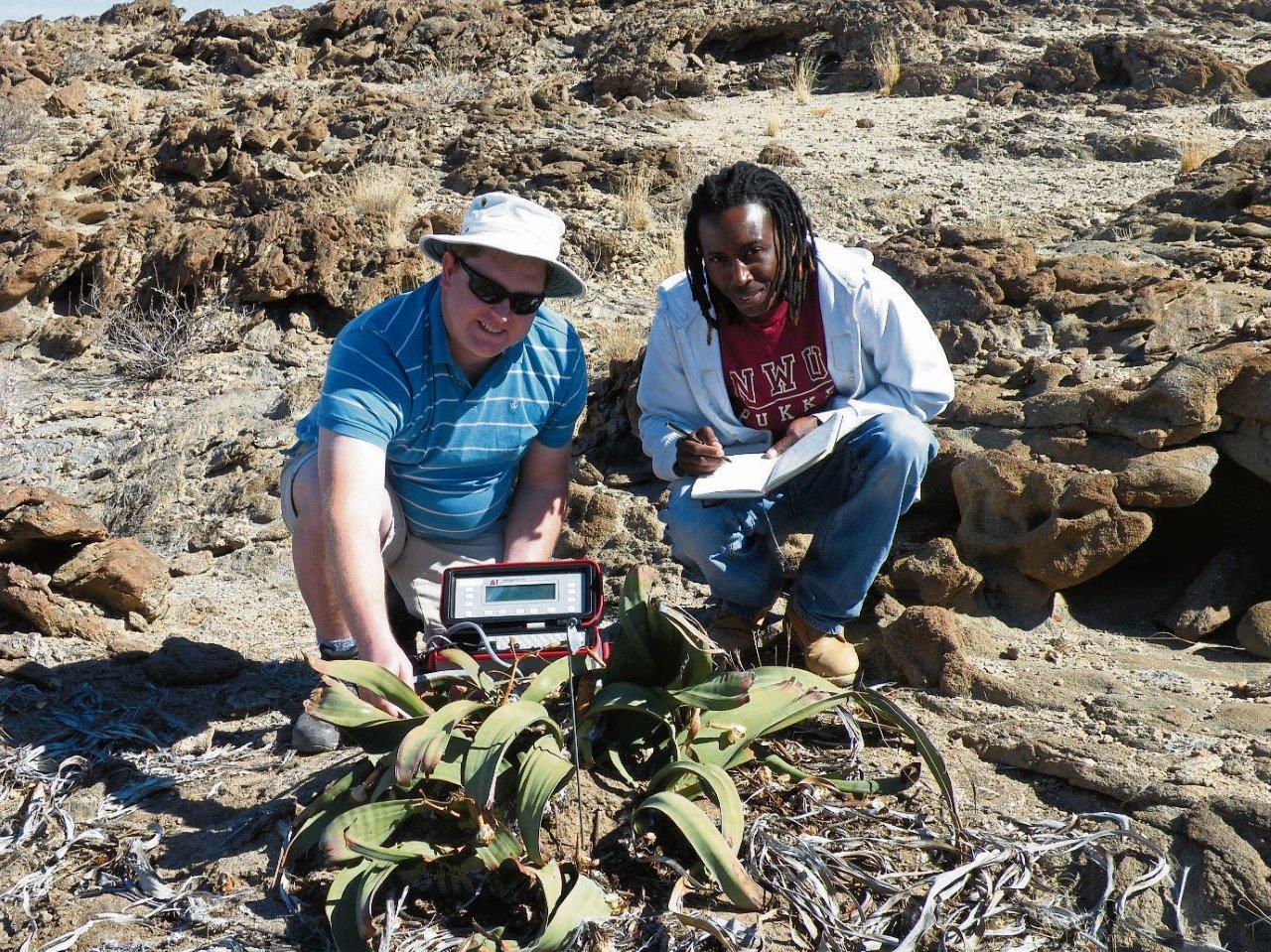
What is Plant Physiology?
Plant physiology is only one of many disciplines in botany. It focuses on examining the mechanisms that govern internal biological processes in plant cells. Plant physiology explains how plants function in all environments. It merely describes fundamentals like photosynthesis, respiration, whole-plant water relations, nutrition, hormone function, nastic movements, tropisms, parthenogenesis, phototropism and circadian rhythms. This field of study also covers topics like mechanisms of seed germination, reaction to environmental stress, interaction with the atmosphere through stomatal function and broader ecological interaction through mechanisms like dormancy. In short, plant physiology shines a light on hidden mechanisms that explain how plants survive in their natural environment. Core research areas include plant chemistry, cellular interactions and molecular action, all studied within the context of environmental interactions. A sound understanding of plant inner workings creates opportunities for increasing plant productivity through human intervention to advance the world.
Role of Plant Physiology
A fundamental understanding of plant physiology has become invalu-able to modern agriculture and horticulture. It serves as the theo- retical mould for scientific inter- ventions seeking to uplift total plant productivity by improving nutritional value and raising the properties inherent to specific tissues and organs targeted for industrial use. In-depth plant physiological know-ledge will enhance plant breeding outcomes and seed production efficiency, guide better genetic modi-fications and developing internal plant mechanisms for pathogen and insect resistance and temperature and water stress tolerance. Know- ledge of plant physiology also helps farmers to understand better the impact of agronomical technique modifications, ranging from basic techniques like fertiliser applications to more advanced interventions for manipulating growth through plant growth regulators. In ecological studies, plant physiology is an essential tool for understanding the role that vegetation and, consequently, ecosystems supported by it, play in environmental carbon fluxes, water and nutrient cycles and energy flow patterns.

Research at the NWU
Plant physiology research at the NWU is focused on quantifying the impact of elevated carbon dioxide and air pollutants and in- creased water stress on crops. From such studies, it is possible to identify alternatives that could successfully adapt to shifting climate patterns. Introducing climate-resilient crops will broaden the South African production base and provide much-needed food and nutrient security. Understanding how the process of photosynthesis responds to environmental stress within carefully selected plant species is a vital component for investigations into future agriculture.
Plant exposure to environmental stress induces numerous physio- logical reactions, which are often traceable in terms of the physio- logical composition of specific plant types. Alterations in photosynthesis are among the critical physiological changes and, for this reason, photosynthesis is viewed as a universal stress indicator in plants.
The effect of environmental stressors like air pollution and climate change are studied at the inter- nationally-recognised open-top chambers facility on the Potchefstroom campus. The information gained from these studies will assist in developing stress-tolerant crops that would be ready for cultivation under marginal and harsh environmental conditions. Several such studies have already been done on soybean, maize, amaranth, quinoa and sugar cane.
Community Engagement
Projects are currently underway in collaboration with the North West Department of Agriculture, the Rustenburg municipality and AgriWorld Global to introduce high-value, climate-resilient crops like amaranth and chia in the province. The collaboration aims to expose communities to new crops and teach our communities to cultivate for the future.
For more information, contact Prof. Jacques Berner at 018 299 2513, jacques.berner@nwu.ac.za, or visit https:// natural-sciences.nwu.ac.za/botany.