How to deal with domestic violence
Domestic violence is often thought to only include physical violence, but the acts, behaviour and consequences that make up domestic violence vary in nature and frequency.
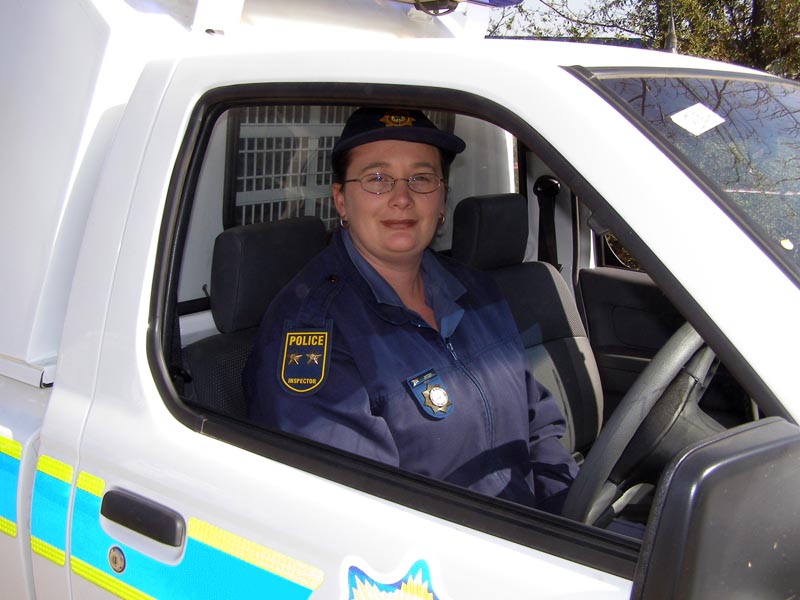
“The Domestic Violence Act applies specifically to the violence that takes place in a domestic relationship,” said Honeydew Police spokesperson Warrant Officer Karen Jacobs.
Domestic relationships are defined as someone you are, or were, married to, your parents or guardian, any family member including your own offspring, anyone you have lived with, whether you were married to that person or not, your life partner, someone you went out with for even a short time or had sex with, or someone with whom you share a child.
Domestic violence is regarded as:
- Sexual abuse, whether you are married to the other person or not
- Physical abuse or assault for example, slapping, biting, kicking, or even threats of physical violence
- Damage to property or anything you value
- Stalking
Another way in which domestic violence can be viewed is economic abuse which is when the other person keeps money to which you are legally entitled by:
- Refusing to pay or share the rent or mortgage bond for the home you share
- Disposing of any property in which you have interest, without your permission
- Emotional abuse such as degrading or humiliating behaviour including repeated insults, belittling, cursing and threats
- Any other controlling or abusive behaviour which poses a threat to your safety, health or well-being
If you feel you are being abused in any manner you have the right to:
- Apply for a protection order at the nearest police station or magistrate’s court
- Lay a criminal charge at the police station and apply for a protection order from the court which orders the person with whom you have or had a domestic relationship, to stop the abuse
An interim protection order can also be issued at any time of the day or night for your protection
“If an abuser disobeys a protection order, phone the police. A statement will be taken from you and the warrant of arrest you received together with the protection order must be given to the police officers. If you are in immediate danger the abuser will be arrested, otherwise the abuser will be given a notice to appear in court the next day,” said Jacobs.
Contact your local police station or
- Police emergency 10111
- Crime Stop 08600-10111
- Women Abuse Helpline 0800-150-150
- Childline 0800-055-555