Classrooms must reflect South Africa’s diversity
Diversity in classrooms helps young people grow into thoughtful citizens. When learners feel valued, they perform better and help create a more united South Africa.
In South Africa, our classrooms are as diverse as our nation. With 12 official languages and more than 50 cultural groups, schools are a reflection of the broader society, full of different backgrounds, traditions, and perspectives.
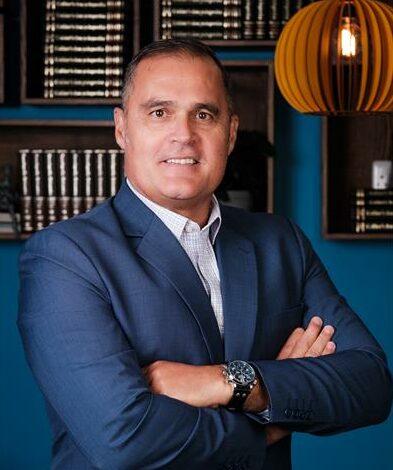
Shaun Fuchs, the CEO and founder of Centennial Schools, said this diversity should not be seen as a challenge, but as a strength. “We need to reimagine schools as inclusive environments where all learners feel seen, respected and empowered,” he added. “Diversity is not a ‘nice to have’, it is a national imperative.”
Read more: How MASA’s staffing solutions foster diversity in the workplace
Fuchs believes that schools must lead the way in building a more equal and united society. Instead of only celebrating diversity on special days, inclusion should be part of everyday learning from leadership and teaching to culture and curriculum.
This view is backed by international research. Studies from the United Nations Educational, Scientific and Cultural Organisation, and the Organisation for Economic Cooperation and Development show that inclusive education improves academic results, strengthens social ties, and supports emotional well-being. When learners feel represented in the people who teach them and the content they learn from, they gain a stronger sense of belonging.
“It’s not just about who is in the classroom. It’s about who is being seen and heard,” said Fuchs.
Also read: Diversity inspires local interior designer
He added that diversity in schools went beyond textbooks; it was also about breaking down stereotypes, encouraging cross-cultural understanding, and creating safe spaces for honest and respectful conversations. “Inclusion doesn’t mean pretending there are no differences, it means engaging with them in meaningful ways.”
For schools to truly prepare learners for the modern world, they must rethink what they teach and how they teach it. The traditional schooling model, which has changed very little since before democracy, often fails to equip learners for life in a multicultural country.
At Centennial Schools, learners are encouraged to be active participants in shaping their education. The school uses inclusive language in lessons, invites guest speakers from different backgrounds, and creates ongoing opportunities for cultural discussions. The goal is to make diversity feel normal, not something to be sidelined.
“We are not preparing students to succeed in a vacuum. We are preparing them to thrive in workplaces, communities and countries where empathy and collaboration matter more than ever.”
At the heart of it all, inclusion is about identity. It’s about helping young people understand who they are and respect who others are. When schools get this right, they do more than just improve academic results; they help build a better South Africa.
For Fuchs, this is the real goal of education: not just to help learners pass exams, but to shape a society that values and grows from its diversity.
Follow us on our Whatsapp channel, Facebook, X, Instagram, and TikTok for the latest updates and inspiration! Have a story idea? We’d love to hear from you – join our WhatsApp group and share your thoughts!
Related article: What you need to know about neurodiversity