
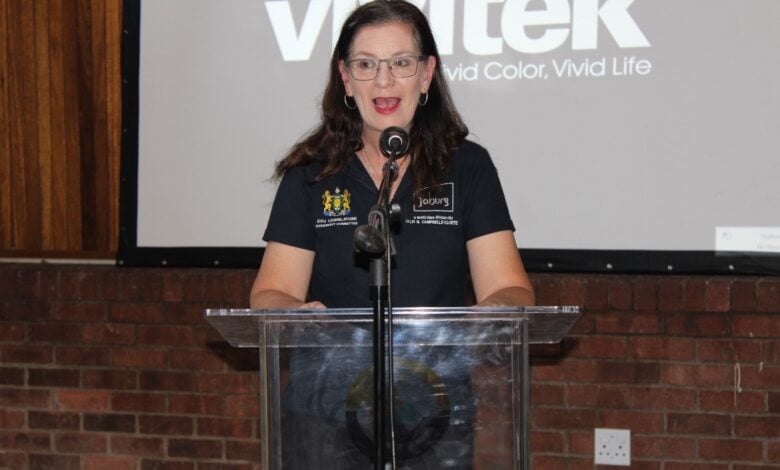
During a community engagement clinic, held in Randburg, residents were urged to actively log service delivery complaints and follow the correct processes.
This was when city officials, the office of the Ombudsman, and the speaker’s office met directly with the public.
The meeting was described as more than just another community gathering. Instead, it was positioned as a practical platform where residents could raise concerns, engage with city departments, and work towards real solutions.
Read more: Power outages frustrate Randburg residents
Speaking at the event, stand-in ward councillor Bea Campbell-Cloete emphasised the importance of the office of the Ombudsman and the speaker’s office in strengthening local democracy. She said these offices exist to ensure residents are treated fairly and with dignity, and that their complaints are properly heard. “Sometimes, all residents need is to be heard. When normal city processes fail, when responses are delayed, or people feel ignored, the Ombudsman provides an independent channel to intervene, investigate, and recommend corrective action.”
A strong focus was placed on why logging complaints correctly is essential for effective service delivery. The councillor said many frustrations arise, not because issues are ignored, but because complaints are not reported through the right channels, or lack critical information.
She shared that councillors often receive vague messages from residents, such as alerts about burst pipes or power outages, without key details like addresses, contact numbers, or reference points. “People get upset when we ask questions, but that information is needed. Ward 102 stretches from Bryanston to Blairgowrie. Without exact details, officials end up driving around looking for a problem, instead of fixing it.”
She added that ageing infrastructure across the city means departments are under pressure, and clear, detailed complaints help officials prioritise emergencies correctly. “When electricity teams are dealing with hundreds of outages at once, they need to know which cases are urgent, dangerous, or life-threatening. If that information is missing, unfortunately, the complaint goes to the end of the line.”
Also read: Ward 134 benefits from high-visibility operation
Campbell-Cloete stressed that residents should document their issues, keep reference numbers, and follow up consistently. Doing so not only helps resolve problems faster; it strengthens accountability within city departments. “When communities participate, problems are identified earlier, resources are used better, and trust between residents and the city can be rebuilt.”
She also encouraged residents to remain calm and respectful when engaging with officials, acknowledging the emotional strain caused by service failures, such as water cuts, power outages, and refuse removal delays. “Service delivery is not only about infrastructure and budgets. The biggest factor is the human factor, the emotions that come when systems fail, and there is no response or clarity.”
Campbell-Cloete concluded by calling on residents to move from being passive recipients of services to active partners in solving community problems.
“Real change happens when residents log issues, follow up, and work with councillors, officials, and oversight bodies like the Ombudsman. Solutions are not delivered through conflict, but also not through silence.”
Follow us on our Whatsapp channel, Facebook, X, Instagram, and TikTok for the latest updates and inspiration!