Municipal budgets: How they impact voter choices ahead of 2026 local elections
From electricity and water to roads and refuse collection, Johannesburg's municipal budget influences everyday life. Here's what every voter should know before casting a ballot.
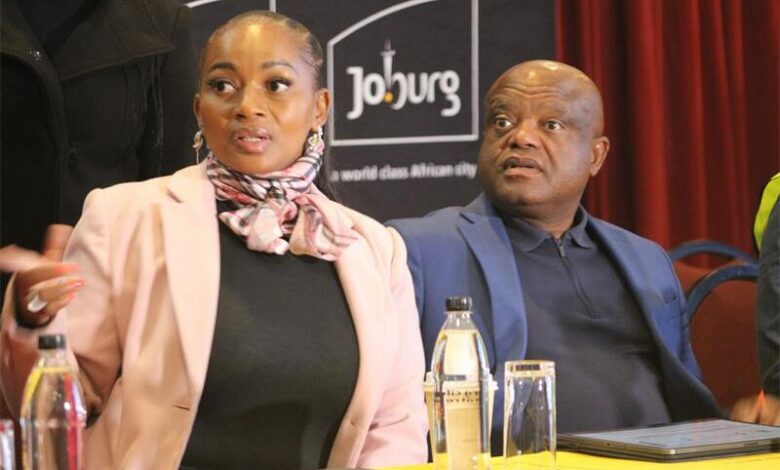
Daily life, household budgets and business operations face worsening strain as Johannesburg residents endure weeks without water, months-long road repair delays and unreliable refuse collection.
As the city prepares for the 2026 Local Government Elections, voters face a crucial question beyond campaign promises to fix basic infrastructure: how the next administration will fund these commitments and resolve the financial crisis crippling service delivery.
According to Joburg Crisis Alliance (JCA) programme director Yunus Chamda, the city’s difficulties extend beyond individual service failures. “These are symptoms of a much deeper crisis of governance, financial management, political instability and deteriorating infrastructure,” he said.
Chamda said Johannesburg had struggled over several years with unrealistic revenue assumptions, cash-flow pressures, inadequate maintenance and capital expenditure, weak accountability, and instability in political and administrative leadership. Coalition instability, he added, made sustained long-term planning more difficult.
The consequences are increasingly visible in communities where residents and businesses make alternative arrangements for water, electricity, security and other services, while continuing to pay municipal rates and tariffs. Prolonged water and electricity interruptions affect households, schools, restaurants and shops, ultimately undermining Johannesburg’s attractiveness as a place to live, work and invest, Chamda said.
Operating budget vs capex budget
According to the Gauteng City-Region Observatory (GCRO), an independent research organisation established in 2008 to provide data, mapping and strategic intelligence for South Africa’s economic heartland, municipal budgets are divided into two parts: operating budgets (opex) and capital budgets (capex).
Read more: Pikitup confirms billions in municipal cash-sweeping system amid ongoing refuse collection delays
Opex includes employee costs, repairs and maintenance of infrastructure that has already been developed, purchases of electricity and water from bulk service providers such as Eskom and (in the case of Johannesburg) Rand Water, the finance costs of redeeming loans or bonds for infrastructure development, money set aside for bad debts resulting from consumers not paying for services consumed, and other minor items.
Capex funds longer-term infrastructure, such as reservoirs, water pipelines, roads, substations and other major projects. It can be financed through municipal revenue, grants from other spheres of government, or borrowing from external lenders and investors.

Why the budget and IDP must go together
Understanding Johannesburg’s financial crisis means understanding two connected documents: the municipal budget and the integrated development plan (IDP).
The budget sets out how much money the city is expected to receive and how it intends to spend it. The annual budget includes an operating component for running the city and a capital component for building, replacing or upgrading infrastructure, while the IDP sets out the city’s development priorities and intended projects. It is reviewed annually and provides a longer-term framework for municipal planning.
In simple terms, the IDP says what the city wants to achieve, the budget shows how it intends to fund those priorities, and the service delivery and budget implementation plan sets out delivery targets and indicators.
Where your money goes
Johannesburg’s municipal government delivers services through city departments and municipal entities. According to the City of Johannesburg website, the main entities, among others, include:
- City Power – distributes electricity across Johannesburg and maintains the electricity network.
- Johannesburg Water – manages the city’s water supply, sanitation and wastewater services.
- Pikitup – provides refuse collection and waste-management services.
- Johannesburg Roads Agency – manages roads and stormwater infrastructure.
- Johannesburg Metropolitan Police Department – handles traffic and by-law enforcement.
- Housing Department – manages municipal housing programmes. It plans, builds, and allocates affordable housing to low-income residents, while also upgrading informal settlements into formal neighbourhoods. Example: Handing over newly built RDP houses or upgrading an informal settlement with running water and basic infrastructure.
- Social development – provides social-development programmes and support to communities. It tackles poverty and social vulnerabilities by helping the city’s most at-risk populations. Example: Operating homeless shelters, funding early childhood development centres, and running youth skills-training programmes.

How Johannesburg got into financial trouble
The city’s crisis did not develop overnight. Johannesburg’s financial position has been affected by revenue falling short of expectations, rising costs, infrastructure losses and years of insufficient investment in maintenance. Historical analysis by the GCRO found that Johannesburg’s actual revenue began regularly falling short of budget projections after the 2014/15 financial year. The gap widened during subsequent years, including periods of coalition instability, the Covid-19 pandemic and severe load-shedding.
JoburgCAN executive manager Julia Fish said residents experience the consequences through repeated service failures. “From one week to the next, you are not sure if you will have water in the taps, electricity supply or have your refuse removed due to non-payment of a contractor or service provider,” she said.
Fish said stalled infrastructure projects were among the clearest examples of how financial difficulties affect communities. “When reservoir repairs or sewer-pipe replacement projects are delayed, residents can face continued interruptions while roads remain excavated for extended periods.”
She added that these failures weaken public confidence in the relationship between the city and its residents. “People stop seeing that their taxes have value. It breaks down the social compact that the city provides a service, and we pay for that service – so we are seeing dwindling payment rates and less money in the system to fund the budget.”
Also read: My Vote Counts and JCA break down municipal coalition rules and hung councils
She added that this creates a damaging cycle: poor service delivery weakens residents’ willingness to pay, while lower revenue collection leaves the city with less money to maintain and improve services.
Where could the city find money?
Johannesburg’s recovery would require more than increasing tariffs or asking residents to pay their accounts. According to Fish, staff and contractor costs place significant pressure on the budget. Fish argued that the city should review its staffing and contracting arrangements, examine executive spending at municipal entities and focus on revenue sources that are not being fully realised.
Chamda similarly argued that Johannesburg needed a credible, funded budget based on realistic revenue collection, stable and professional senior management, improved maintenance and capital investment, transparent procurement, and consequences for financial mismanagement and maladministration. He also called for greater transparency about the city’s actual financial and operational position.
What should the next administration prioritise?
Chamda said Johannesburg could not be repaired through short-term campaigns or cosmetic interventions. The next administration would need a serious, multi-year recovery programme. He argued that political parties entering a coalition should agree on a public programme of government instead of focusing primarily on dividing positions and departments between them. He also said civil society, residents’ associations, businesses and professional organisations should be treated as partners in rebuilding the city. These groups can contribute local knowledge, technical expertise and oversight.
Fish called for a full audit of municipal contracts to identify possible duplication, inflated costs and poor performance. She said basic municipal functions should be performed transparently, with departments regularly reporting to council rather than relying on opaque agreements with outside firms.
A recovery plan would also need to distinguish between urgent repairs and new projects. While new infrastructure remains important, allowing existing assets to deteriorate can make future service delivery more expensive. The city will have to make difficult choices about how to allocate limited funds while meeting its legal obligations, maintaining essential services and addressing years of accumulated infrastructure needs.
The City of Johannesburg was contacted for comment on October 15 regarding the allegations made, but had not responded by the time of publication. The article will be updated once a response is received.
Follow us on our WhatsApp channel, Facebook, X, Instagram, and TikTok for the latest updates!