‘Deafening silence’ as residents fear contaminated drinking water
Residents are up in arms, accusing the municipality of failing to act on confirmed findings of water contamination.
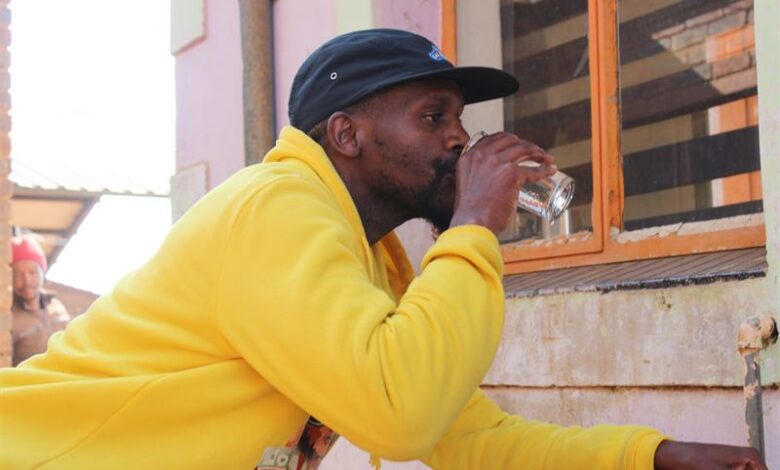
Organisations and residents have united to fight for their human rights after tests revealed the water in the area is contaminated.
Civil society organisations Be the Future Foundation, WaterCAN, Ahmed Kathrada Foundation and Defend Our Democracy have collaborated to warn the Rand West City Local Municipality (RWCLM) about the suspicion that the water supply in Bekkersdal and Simunye is unsafe.
Together, these organisations conducted independent tests and found that seven out of 11 water samples were unsafe.
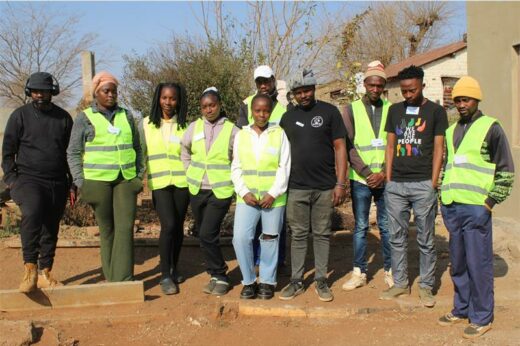
Executive director of Be the Future, Sandile Soxokashe, explained that several samples tested positive for E.coli and total coliforms. Some samples showed moderate phosphate pollution, which he confirmed indicates possible sewage or industrial contamination.
“These are clear indicators of faecal contamination and serious health risks,” he emphasised.
He noted that the testing was carried out using WaterCAN’s iLab citizen science water testing kits.
The organisations sent a formal letter to the municipality on May 19 expressing concern over the safety of household tap water.
Soxokashe stated that the municipality has not responded.
“This is about dignity and justice. The failure to act on water safety is a violation of the basic rights of already marginalised people,” stressed Obakeng Kgatshe, Youth Activism manager of the Ahmed Kathrada Foundation.
“It is simply unacceptable that after being alerted to a public health emergency, the municipality has neither warned residents nor taken remedial action. Every day of inaction exposes communities to water that could cause illness or worse. We want to hold the municipality accountable,” Soxokashe declared.
Dr Ferrial Adam, executive director of WaterCAN, said they are not just sounding the alarm – they are offering evidence, partnerships, and solutions. Yet the silence from those responsible for basic service delivery is deafening.
Kabelo Kemp from Defend Our Democracy agreed.
“We are witnessing a slow-moving disaster, one that the government has the power and duty to stop. This is not just a governance failure, it is a moral one,” he said.
The organisations are calling on the municipality to:
• Immediately issue a boil water notice for residents of Bekkersdal and Simunye
• Conduct comprehensive municipal water testing to confirm contamination
• Meet with civil society and community leaders to develop an urgent response plan
• Repair longstanding water infrastructure and non-functional water tanks
• Ensure the right to clean, safe drinking water as enshrined in the South African Constitution
They have issued a warning that if municipal authorities do not respond, they will escalate the matter to provincial and national governments and pursue legal action.
The Randfontein Herald also spoke with residents currently affected.
Paul Sebolao explained that the water from the taps is usually dirty and tastes strange. He has also suffered from diarrhoea-related illnesses. He expressed fears for his safety and stated he cannot afford to buy clean bottled water.
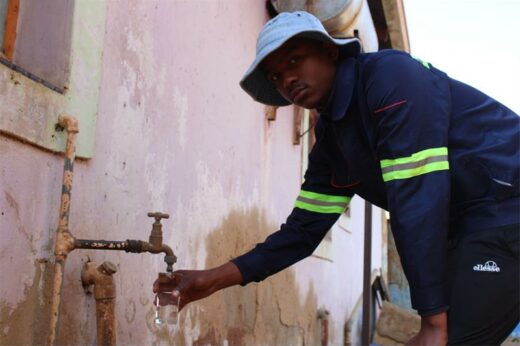
Resident Siyabonga Ramphomane also shared his concerns.
“We cannot even boil the water because we fear it might not help. There is also a lack of awareness about the situation. Most residents are unaware that the water is contaminated. It is such a pity that we, as residents, have to live like this. The municipality is infamous for not delivering services, but how can they possibly deny us such a basic human right?” he asked.
When asked if there are regular water tankers providing drinking water, Ramphomane claimed that even the water from the tankers is contaminated. A few weeks ago, when the tankers arrived, he said the water was tested and found to be contaminated from a nearby dam.
“This affects not only residents but also local businesses. We recently tested water at Ipeleng Primary, Seatile Primary, and Tlhalefang Daycare. Even the water supply at these schools was found to be unsafe for human consumption,” Ramphomane concluded.
The Herald has approached municipal spokesperson, Phillip Montshiwa, for comment. However, they did not respond at the time of publication. Their feedback will be published once received.