
Campaign empowers employers to treat domestic workers fairly
South Africa’s Dignity in Every Home campaign guides households on fair pay, safe work conditions and respect for domestic workers’ rights.
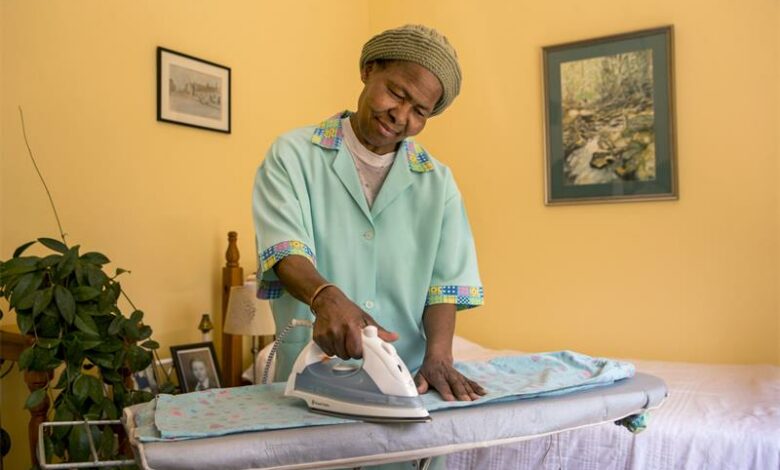
Many domestic workers endure 14-hour workdays, live away from their families, earn below the minimum wage, and in some cases face bullying, assault, and ill-treatment.
The Dignity in Every Home campaign is a national initiative aimed at promoting awareness of domestic workers’ rights while supporting employers in creating fair, safe, dignified, and lawful working environments.
According to Thandiwe McCloy, public relations consultant for the Izwi Domestic Workers Alliance, the campaign seeks to shift practices by providing practical, legal, and easy-to-follow guidelines for employers.
Also read: Relief as missing Marius Beneke found safe
These guidelines address key issues such as dignified accommodation, fair pay, working hours, leave, dismissal procedures, and mandatory registration with the Unemployment Insurance Fund.
“These resources help employers establish clear agreements and respectful working relationships, creating security for workers and peace of mind for employers, while helping households function with dignity and care,” she said.
McCloy noted that some employers mistakenly view domestic work as an informal arrangement or even a favour, despite relying on workers for essential responsibilities such as caring for children, the elderly, and maintaining households.
Amy Tekie, co-founder of the alliance, emphasised the seriousness of the issue.
“Employers must understand the responsibility when inviting someone to work in their homes. Domestic workers should have the same labour rights we expect from our own employers. Some are subjected to discrimination behind closed doors. It is time for society to acknowledge these unconstitutional practices and ensure change,” she said.
Fair employment
McCloy outlined several key questions employers should consider to ensure fair employment:
• Is your domestic worker registered for unemployment insurance?
• Do you contribute to it monthly?
• Do you pay the national minimum wage per hour?
• Are working hours limited to no more than 45 hours per week?
She added that employers can further support workers by conducting performance reviews and contributing towards retirement, among other measures.
Accommodation standards for live-in workers
McCloy highlighted ongoing concerns about discriminatory practices affecting live-in domestic workers. These include restrictions in residential complexes, such as limiting access to certain entrances or common areas, as well as household rules that restrict visitors, food choices, and freedom of movement.
To address these issues, she encouraged employers to improve standards related to accommodation, privacy, food, family and social life, equal treatment, freedom of movement and religion, and protection from harassment and abuse.
“By complying with the law, setting clear boundaries, and fostering respectful living arrangements, these standards ensure that no one is deprived of basic constitutional rights because of their occupation,” she said.
Guidance for employers
McCloy urged employers to educate themselves on their rights and responsibilities, including working hours, rest periods, wages, deductions, overtime, leave, and night work.
“By upholding their responsibilities under labour law, employers can help create a more equal society for the one million people who care for our homes and families,” she concluded.