
School stress on the rise – experts
With the new academic year around the corner, children may face rising stress from academics, social pressures and home life, with experts outlining warning signs and tips for parents to help them cope.
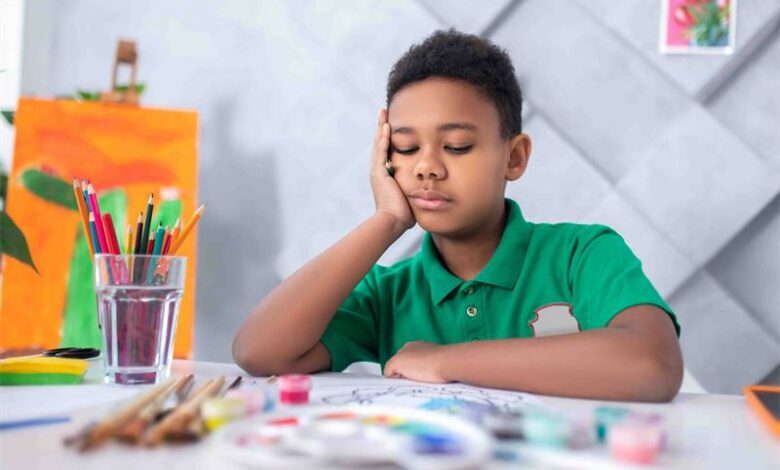
With schools reopening next week, many learners may face rising pressure, and for some, the stress of school can show in surprising ways.
Health professionals thus warn that sudden mood changes, declining grades or withdrawal may signal underlying stress that parents shouldn’t ignore.
According to Vinay Pillay, marketing manager for Affinity Health, school-related stress among children and teens is a growing concern.
“Academic pressure, social challenges, and home-life demands continue to rise. The World Health Organisation reports that mental health challenges among children and adolescents are increasing globally, with around one in seven young people affected by a diagnosable mental health condition. Local estimates suggest the rate may be even higher in some regions, often linked to school pressure, bullying, exam stress, and unstable home environments,” she explained.
Behavioural changes: The first signs
Pillay said stress often shows up in a child’s behaviour, and the signs vary depending on age.
For children aged six to 12:
• Sudden clinginess or separation anxiety
• Avoiding school or making excuses not to go
• Increased irritability or tantrums
• Losing interest in activities they previously enjoyed
For teens aged 13 to 18:
• Withdrawing from family or friends
• Sudden drop in motivation
• Skipping school or avoiding certain classes
• Spending excessive time online or isolating in their room
Physical symptoms
“School stress can manifest as physical symptoms, especially in children who struggle to express their feelings. Overwhelmed bodies may react as though they’re ill, with frequent stomach aches, headaches, difficulty sleeping, nightmares, constant fatigue, or general body aches. Many parents notice their child feels ‘sick’ on school mornings but seems fine over weekends – a strong indicator that stress, rather than illness, may be the cause,” Pillay said.
Emotional warning signs like unexpressed or poorly understood emotions often accompany school stress.
Look for:
• Increased worry or fear
• Sudden crying or emotional outbursts
• Low self-esteem or negative self-talk
• Feeling overwhelmed by schoolwork
• Over-sensitivity to criticism
“Teens may show stress differently, often through frustration, irritability, or anger. If a child frequently says ‘I can’t do this’, ‘School is too hard’, or ‘No one likes me’, it’s important not to dismiss it,” Pillay warned.
Academic performance changes
Stress can also affect concentration, memory and academic performance. A sudden drop in marks usually signals difficulty coping, rather than laziness.
Social issues
According to Pillay, social anxiety can heighten school stress. Children may be coping with bullying, peer pressure, friendship issues, or difficulty fitting in.
Signs include:
• Avoiding conversations about friends
• Reluctance to join group activities
• Spending breaks alone
• Fear or anxiety about attending school
“Online bullying is common among teens and often goes unnoticed unless parents pay attention to sudden changes in behaviour,” Pillay noted.
Home life can worsen stress
Home stress can amplify school pressure. Factors include disrupted routines, long travel times, financial or family pressures, or instability at home.
“When home life feels uncertain, schoolwork becomes more overwhelming. Younger children may become clingier or regress in behaviour, while teens may withdraw emotionally or seem shut down,” she explained.
How parents can help
Early support is crucial to prevent stress from escalating. Tips include:
• Encourage your child to share feelings without judgment
• Maintain consistent rest, meal, and homework schedules
• Communicate with teachers and attend meetings
• Ensure balanced meals, daily movement, and screen-time limits
• Use mindfulness, journaling, or breathing exercises to reduce anxiety
• Seek professional help if stress lasts more than two weeks or affects daily life
“School-related stress is real, and without support, it can affect a child’s well-being, confidence, and performance. Recognising the signs early can make all the difference. With understanding, routine, open communication, and the right professional help, children can cope and thrive both in and out of the classroom,” she concluded.