
Motorists warned: Modern car repairs are not what they used to be
Experts urge West Rand and fellow South African drivers to trust accredited professionals when repairing modern vehicles.
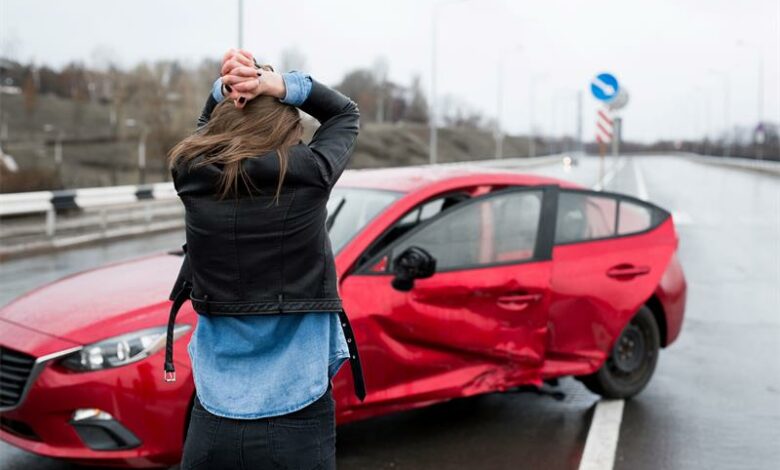
For motorists across the West Rand and South Africa, a minor accident can seem like nothing more than a dented panel or scratched bumper. But in today’s modern vehicles, even seemingly small damage can have serious safety implications.
According to Juan Hanekom, National Director of the South African Motor Body Repairers’ Association (SAMBRA), an association of the Retail Motor Industry Organisation (RMI), vehicles have become far more advanced – and so has the repair process.
“Modern vehicles are incredibly sophisticated machines. We’re no longer just dealing with basic metal panels and bolts. From advanced safety systems to highly engineered materials, cars have changed dramatically – and so has the repair process,” he said.
Juan added that today’s cars are built using ultra-high-strength steel, aluminium and other lightweight materials. These materials are specifically designed to absorb the force of an impact during a collision and protect occupants. Components such as pillars, bonnets and crumple zones are engineered to deform in a controlled way to reduce injury.
“In older vehicles, much of the force of a collision was transferred directly to the occupants,” Hanekom explained. “Modern cars are designed to absorb that force instead. The trade-off is that many of these materials cannot simply be reshaped once damaged – they must be replaced to restore the vehicle’s original safety performance.”
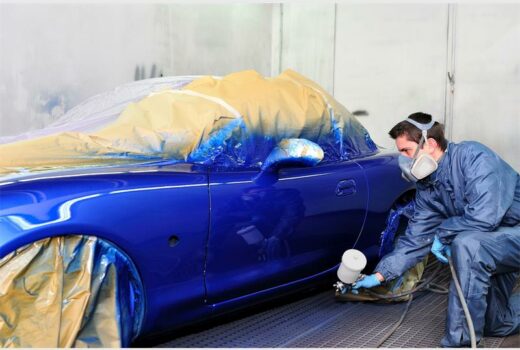
This is why modern repair decisions often favour replacement over repair – not for convenience, but to ensure the vehicle meets its original safety standards and remains reliable in the long term.
Damage is also not always limited to what you can see. Headlights, for example, are no longer simple bulbs behind plastic lenses.
“Modern headlights can cost tens of thousands of rands,” says Hanekom.
“They often contain advanced LED systems, sensors and cameras that integrate directly with the vehicle’s onboard electronics.”
Bumpers, too, frequently house parking sensors, radar systems and adaptive cruise control technology. Even a minor impact can disrupt these systems, requiring specialist repairs and precise recalibration to ensure the vehicle functions correctly.
As a result, repairers and insurers now face far more complex decisions when assessing accident damage. “It’s not only about the immediate repair cost,” Hanekom noted.
“If a component has been compromised, even slightly, it could affect the safety of the entire vehicle. In many cases, replacement is the safer and ultimately more economical option.”
Making these decisions requires specialist training, advanced diagnostic equipment and strict adherence to manufacturer repair guidelines. This underscores the critical role of professional motor body repairers – who are far more than “parts fitters”.
“The way vehicles are built has evolved, and repair standards have had to evolve with them. When it comes to safety, there is no room for shortcuts. Trust accredited professionals to make the right repair or replacement decision – your life may depend on it,” Hanekom added.
For West Rand residents, the takeaway is simple: after an accident, choose an accredited and reputable repairer. What appears to be minor damage could involve complex systems that are vital to your safety on the road.