Child Welfare Tshwane takes a stand
Child Welfare Tshwane is taking a stand against violence. "When you stay silent, you reinforce the abuse of power within the family system and society at large," Wezet Botes of Child Welfare Tshwane says.
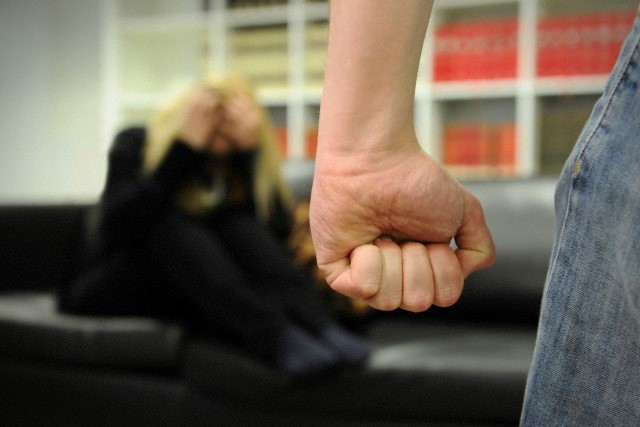
Child Welfare Tshwane launched a citywide campaign during the 16 days of activism which will run for the next two weeks until 16 November. According to statistics, one in three women in South Africa is, or has been, a victim of domestic violence or sexual assault in her lifetime. Her children will witness violence and this will have a lasting effect on their adult relationships.
“Violence has become a way of life for many South Africans and here in Pretoria things are no different. Child Welfare Tshwane can no longer be silent and we have decided to tackle the issue head-on. We are speaking out during the 16 days of activism with the message that it is possible to break the cycle of abuse,” Wezet Botes of Child Welfare Tshwane told Rekord.
She added that Child Welfare are offering awareness talks, referral services, counseling and support to victims of violence. “We are also reaching out to community resources such as hospitals, doctors, police stations, and faith-based organisations in the Tshwane community during the 16 days of activism campaign.”
“Women and children suffer terrible violence not because of the deeds of bad people, but because of the silence of good people” comments Linda Nell, CEO of Child Welfare Tshwane. “We want to offer help to those who are suffering by breaking the silence.” Women who are exposed to domestic violence are twice as likely to contract HIV, have a substance dependency and suffer from depression. Women are the backbone of many families, if they are suffering the whole family is negatively impacted. “When you stay silent, you reinforce the abuse of power within the family system and society at large.”
“People can’t function under such conditions, this is why we are seeing the breakdown of the family on a large scale,” added Botes. “We have to draw upon all the resources in the community to stem the tide of violence. Faith-based organisations, community forums and public service providers all have a role to play in educating and supporting men and women to find ways to relate to each other appropriately. Child Welfare Tshwane is inviting all stakeholders to make contact with us to help formulate comprehensive plans to address domestic violence and abuse in general on a citywide scale.”
She added that women were not the exclusive victims of domestic violence, many men were also victimised. But it is often more difficult for men to speak out because of societal perceptions of what it is to be a man. “Your home should be a safe place for the whole family to flourish, not a war zone. It is important to have a plan to get out of an abusive situation. Don’t wait for the next big crisis. Our message is: if you know someone trapped in domestic violence, do something about it. If you are a victim of violence, get help. Real love does not involve violence.”
If you need help or want to report abuse, call 0861-298-298.
- Victims of domestic violence are twice as likely to be infected with HIV.
- Victims of domestic violence are twice as likely to suffer from depression.
- Victims of domestic violence are twice as likely to have problems with substance abuse.
- Children exposed to domestic violence are more likely to become victims and perpetrators of domestic violence in adulthood.