Charity work mere obligations
Most athletes of Oscar Pistorius' stature are involved in charity work and the amputee was therefore not unusual.
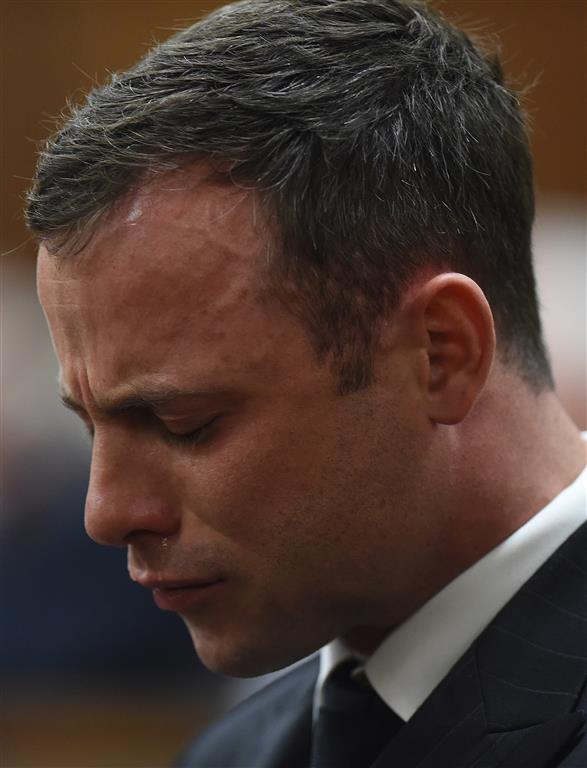
Many of the charity work done by Oscar Pistorius were merely part of his obligations towards his sponsors and most athletes on his level were involved in charities, the North Gauteng High Court heard on Tuesday.
On the second day of the sentencing phase of the Pistorius trial, the former Olympic athlete entered the court without being flanked by police or family members and seemed more relaxed than yesterday. Pistorius was found guilty last month of culpable homicide, following the shooting death in February 2013 of his girlfriend, Reeva Steenkamp.
The proceedings commenced with the cross-examination of the double amputee athlete’s manager, Peet van Zyl, who said he did not perceive Pistorius as a victim and he could only have himself to blame for his current situation.
However, prosecutor Gerrie Nel read out a letter in which Van Zyl earlier blamed the state and the media for Pistorius’ predicament.
“This is a photograph of Oscar addressing a crowd on disability. This platform had now been taken away from him by the state and the media,” Van Zyl had written on 22 September to the athlete’s defence team.
In court today, Van Zyl however said to have blamed the state was an error of judgment on his behalf, but that “false reporting” by the media had had a negative effect on Pistorius.
“If the matter of the shooting had been handled with a bit more respect, things could have been different for Oscar and there would still have been opportunities for him to motivate and inspire others,” Van Zyl told the court.
He apologised for blaming the state and repeated that he did not perceive Pistorius as a “poor victim”.
Van Zyl testified that the University of Strathclyde in the UK had bestowed an honourary doctorate on the athlete, known as the Blade Runner, as a result of his charitable work and his cooperation with the university in the development of a prosthetic foot.
Listing a number of charities in which Pistorius had been involved, Nel pointed out they had only been part of the athlete’s obligations to his sponsors and had not been of his own initiative.
Van Zyl admitted some events and actions had been obligatory, but stressed that on several occasions the amputee had used his own money and free time to assist others and do charitable events.
He said he had had no discussions with Pretorius about the athlete’s future as they had decided to wait for the outcome of the trial before discussing any future plans.
“We do still see possibilities for the foundation that he had planned to launch in 2013. That may still be the legacy Oscar leaves behind – giving people the power of mobility,” Van Zyl said, referring to the development of the artificial foot in conjunction with the UK university.
For more news and interesting articles, like Rekord on Facebook or follow us on Twitter.
Also read:
Prison not recommended for Oscar