Effects of bullying on your child
Shouqat Mugjenker, Mental Health Portfolio Manager at Pharma Dynamics gives a few important tips on how to educate your child on bullying in schools.
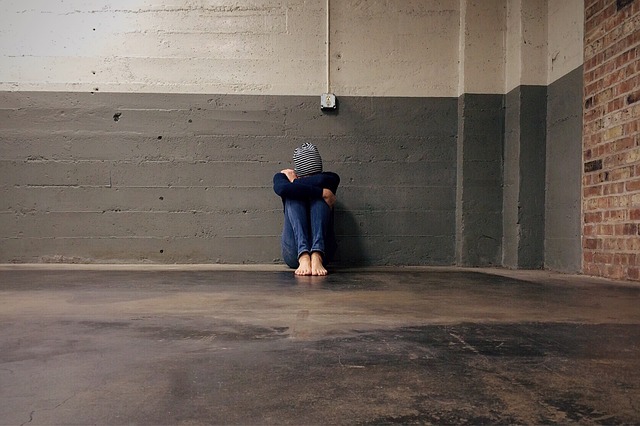
July was officially recognised as National Mental Illness Awareness Month, to highlight the need for greater public awareness and responsiveness towards bullying in schools. This comes as no surprise given the high level of violence at SA schools.
Shouqat Mugjenker, Mental Health Portfolio Manager at Pharma Dynamics said bullying, which is a major societal problem globally and in South Africa, has far-reaching mental health effects, which many carry into adulthood.
“By the time we’re adults, we are generally expected to have gotten over it, but the impact can be serious and last a lifetime,” said Mugjenker.
ALSO READ: Property scams picking up in Centurion
“In South Africa, an estimated 41% of children are bullied at school in some shape or form, which can increase the risk of depressive disorders and the need for psychiatric treatment later in life.
“We know that children who are bullied often suffer from low self-esteem, poor academic performance, depression and an increased risk for suicide, but up until now very little was known about the long-term psychological impact on adults who were victims of bullying in their youth.”
Recently, a spate of studies have been published, which found that victims’ health, relationships and even economic status may be at risk well into middle age.
One study that was conducted by King’s College London surveyed more than 18 000 children born in the same week, from the age of 7 to 50 years in an attempt to determine the impact of bullying over a period of 40 years.
They found that victims of bullying had more psychological stress, were at higher risk of depression, suicidal thoughts and anxiety disorders throughout their adult life compared to those that weren’t exposed to it. Many victims also reported poor health, along with poor cognitive functioning.
ALSO READ: NEWSFLASH: North teen takes own life after social media bullying
A Finnish study, which surveyed 5 000 children, as well as their parents and teachers from the time they were 8 to 29 years of age, found that of the 20% that were bullied (as children) had a mental health problem that needed medical treatment into young adulthood.
Mugjenker pointed out that bullying could also alter the physical structure of a child’s brain, which further heightens the risk of mental illness.
“After studying questionnaires and brain scans from 600 young people between the ages of 14 and 19 from different countries in Europe, researchers from Kings College found that more than 30 participants had experienced chronic bullying. They then compared the data with those who had not been bullied,” he said.
“Their analysis showed that chronic bullying was linked to heightened levels of anxiety, including changes in brain volume – especially pertaining to the parts of the brain called the caudate and putamen, which plays an important role in how the brain learns and processes memories. The caudate uses information from past experiences to help influence future actions and decisions, while the putamen regulates movements and affects learning.”
He said these findings shed additional light on just how damaging bullying can be.
ALSO READ: Teens and sexual cyberbullying – the criminal consequences
“In a country such as ours where extreme levels of violence and bullying among youth is an everyday occurrence, much more needs to be done to prevent this type of behaviour. Nowadays bullying is also not just limited to the classroom but has extended to cyberbullying, which includes any type of bullying via cellphones, social media or the internet. These channels allow bullies to harass victims anonymously whenever they want to without fear of being caught.”
Mugjenker said that one of the ways bullying can be stopped was if parents get more involved. Here are some of his suggestions:
– It is important to understand exactly what bullying is. In short, it is a deliberate attempt to repeatedly hurt someone over an extended period. The bully often chooses someone they deem vulnerable.
– Bullying can manifest in physical abuse, verbal abuse, relational bullying, such as excluding the victim, spreading rumours or getting others to hurt the victim. Cyberbullying is another common form, which includes sending hurtful messages or images via the internet or cellphone.
ALSO READ: Workplace bullying investigations to begin immediately
– Symptoms of a child being bullied include: not wanting to go to school, avoiding class, clamming up when school is discussed, asking for a change in routine (dropping off, picking up from school), not wanting to participate in school activities or extra-murals, complaints of headaches, stomach cramps or nausea, a drop in academic performance, sudden bursts of anger, wanting to be left alone and unexplained bruises or injuries.
– If your child is a bully, he/she may exhibit a lack of empathy (in general), need for control, derive pleasure from the pain and suffering of others, lash out or attack before others do, refuse to play with certain children, have been bullied by a peer, sibling or parent, persist with unpleasant behaviour even after being reprimanded for it, be overly concerned with being popular, intolerant of others who are different, frequently teases or taunts others, plays aggressive video games, hurts animals and the list goes on.
– Parents should model positive behaviour, so guard against gossiping, what you say and how you treat others as children will pick up on these traits. Be sure to provide a loving and supportive home structure where children feel emotionally safe and cared for.
– Talk about bullying in the home and that it’s not acceptable. There are various books and videos that are available from the library that are a great help if you’re not sure how to address the subject.
ALSO READ: What is mental health and how does it affect students?
– Teach children to do something when they witness bullying such as call an adult for help or coming to the aid of the victim.
– Teach your child appropriate social skills. Role-play different scenarios with your child, such as how to join a game at school, make new friends, why it’s important to share and wait their turn, how to deal with conflict, ways of showing others respect and that you care for them. These are all ways to help build self-esteem.
– Coach children on how to stand up to a bully. Help your child understand that a bully wants to feel powerful, so if you show emotion and fight back that’s exactly what he/she wants. A victim could potentially diffuse the situation by looking the bully in the eye and responding evenly and firmly. Practice various responses with your child until he/she is confident in handling difficult situations.
– Lastly, report cases of bullying to the school and take further action if nothing is done.
If you are a victim of bullying and don’t know who to turn to, contact Pharma Dynamics’ toll-free helpline on 0800-205-026, which is manned by trained counsellors from 08:00 to 20:00, seven days a week. For additional support, visit www.letstalkmh.co.za.
Do you have more information about the story? Please send us an email to editorial@rekord.co.za or phone us on 083 625 4114.
For free breaking and community news, visit Rekord’s websites:
For more news and interesting articles, like Rekord on Facebook, follow us on Twitter or Instagram