UPDATE: North water still not safe for human consumption
Tshwane metro must declare an emergency over continuing poor water quality in the Hammanskraal area.
Tshwane metro must declare an emergency over continuing poor water quality in the Hammanskraal area.
Tshwane metro has been involved in a long battle involving residents, the department of water affairs and the human rights commission over the poor water quality.
The Human Rights Commission (HRC) held an outreach and public meeting at the Patrick Sebothoma hall, Hammanskraal, to address the residents’ water-quality complaints this week.
The residents had complained to the HRC about potable water quality in the area which had resulted in the department of water and sanitation, HRC and the Tshwane metro testing the water to establish if it was fit for human consumption.
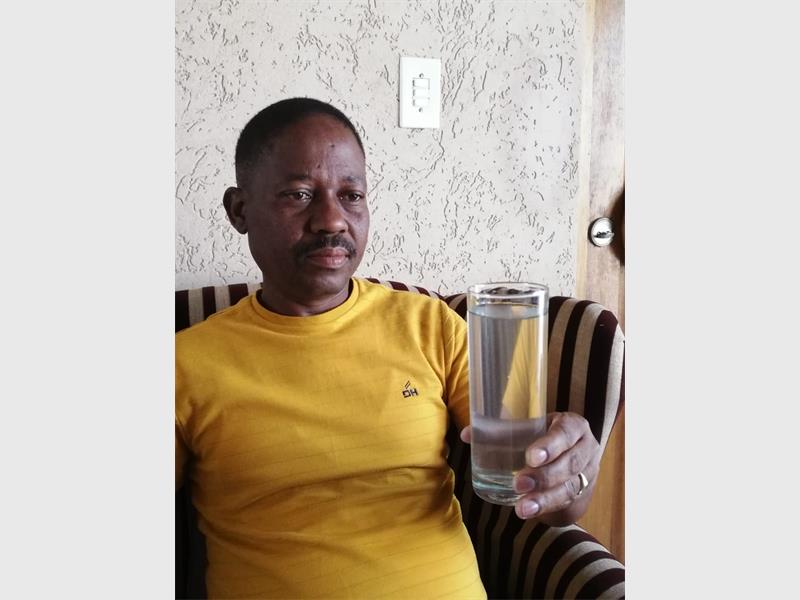
Chairperson of the Hammanskraal residents forum Tumelo Koitheng said the latest CSIR water test results found the water was unfit for human consumption because the high concentration of nitrate and nitrite could cause them chronic health ailments.
He said that some residents had already complained of diarrhoea and stomach cramps.
He said at the public meeting convened by the HRC a resident had said she had been hospitalised because of the water quality.

“This badly affects those that cannot afford to buy bottled water,” he said.
“The mayor’s denial about the quality of water is unfortunate and unfounded because he does not produce test results that contradict the CSIR.”
Koitheng said the residents of Hammanskraal were worried about the pace at which the metro was addressing the problem and called for it to declare an emergency instead.
Water affairs Gauteng head Sibusiso Mthembu said despite the upgrade to the Temba water treatment works, the plant was still unable to treat the water to the required standard due to poor quality of incoming water.
Mthembu cited the Rooiwal wastewater treatment works as one of the major problems, saying that the infrastructure was over-burdened and poorly operated and maintained.
Mthembu said that complaints kept coming in so they agreed with the metro and the commission to take a water sample to the CSIR for testing.
“The results confirmed that the water is non-compliant with the South African drinking water standards, an issue that the department has raised with the metro over time.”
Mthembu said the water was found to have a high concentration of nitrates and phosphates.
“When we met with the HRC, the metro agreed that the water was not fit for human consumption” he said.
“We are not doctors but we can say, the high concentration of the two is not good for human consumption and we are disturbed by the miscommunication by the city because when we met the HRC, the city agreed with us that the water was not fit for human consumption,” said Mthembu.
HRC provincial manager Buang Jones said the metro had been given until Friday to provide an urgent source of potable water to the residents.
“The commission will convene a public inquiry in October which will look at the broader issues pertaining to the state of water treatment plants in the metro, their impact on water quality and fundamental rights,” said Jones.
Last week, Tshwane mayor Steven Mokgalapa had said: “the city refutes the assertion that residents are being supplied substandard water”.
Do you have more information about the story? Please send us an email to editorial@rekord.co.za or phone us on 083 625 4114.
For free breaking and community news, visit Rekord’s websites:
Rekord East
Rekord North
Rekord Centurion
Rekord Moot
For more news and interesting articles, like Rekord on Facebook, follow us on Twitter or Instagram