No spanking, now what? Alternative ways of child discipline
What is your opinion on the illegality of spanking children at home?
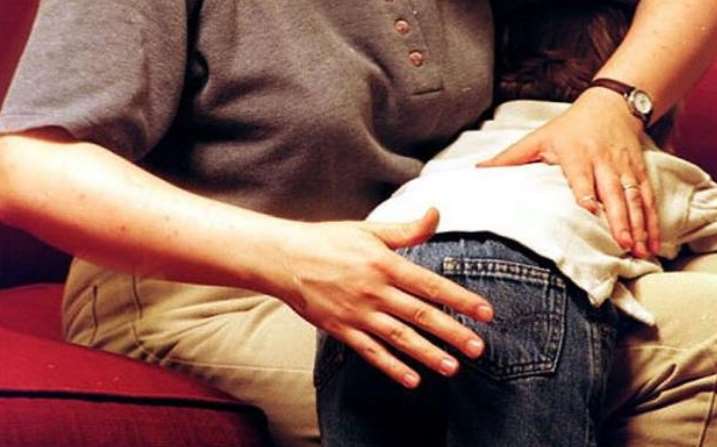
Corporal punishment, or spanking, is now officially illegal in South Africa.
The ruling was made on Wednesday 18 September, when chief justice Mogoeng Mogoeng upheld a 2017 high court ruling, which made it illegal for parents to spank their children at home, dismissing an appeal to the ruling.
Child psychologist at the Child Behaviour Centre in Pretoria east Sigi Graham agrees with the ruling, saying that it’s important to move with the times.
“There is absolutely no evidence that suggests spanking, or any kind of violent behaviour towards children, has positive effects. Not too long ago, men were allowed to hit women when they ‘misbehaved’ and after that stopped, women didn’t become uncontrollable beings.
“Don’t get me wrong: children need discipline, absolutely; but, we as a society need to take a hard look at other forms of immediate consequence, instead of trying to fix our child’s behaviour with a smack.”
Graham suggests that confiscating something the child holds dear is perhaps one manner in which to discipline a child, especially if it’s something they are using to misbehave with.
ALSO READ: ACDP unhappy at court ruling over child spanking
“Structure and boundaries are of incredible importance. If you think that a spanking might help your child’s mischievous behaviour, take a look at people in our society who are involved with the most violent acts imaginable. Are they productive and actively, positively contributing to our society? No, that proves that people surrounded with violent acts, become completely destructive over time.”
Graham also speaks about why especially younger children sometimes have vicious outbursts in the form of tantrums.
“It’s harder to discipline children of this age, but it’s usually due to a lack of understanding about the situation. They don’t know how to express their frustration, talk about their feelings or solve a difficult issue. Their first reaction is to bite, kick, scream or cry, resulting in frustration from the parents. The last thing you should do is try and smack the child, thinking it will be a quick fix to the problem. Rather remove the child from the circumstance, instil boundaries, and give a time-out period, before looking at the situation and assessing why your child might be acting out.”
Graham suggests that paying attention to your child’s overall behaviour, both negative and positive will have beneficial effects in the future.
“Reward your child with a compliment when they express improved behaviour. When they share, or apologise for doing something wrong, tell them that their behaviour is good. When they misbehave, tell them it’s wrong. We often leave our children to raise themselves and then get disappointed when they grow up to be unruly adults. Parents have become lazy, and that’s why it actually starts at home. It’s not the responsibility of schools to discipline the child,” she concludes.
Do you have more information about the story? Please send us an email to editorial@rekord.co.za or phone us on 083 625 4114.
For free breaking and community news, visit Rekord’s websites:
Rekord East
Rekord North
Rekord Centurion
Rekord Moot
For more news and interesting articles, like Rekord on Facebook, follow us on Twitter or Instagram