Coronavirus (COVID-19) symptoms: What are they and how should you protect yourself?
With the first confirmed case of coronavirus in South Africa, it is important to have all the information you need to protect yourself and your family.
What is the Coronavirus (COVID-19)?
According to the World Health Organization (WHO), coronavirus is a respiratory disease which starts with a fever, followed by a dry cough. The symptoms are common to most colds and flu. It is possible for someone to have general flu symptoms without having coronavirus (COVID-19).
It is very important to immediately seek medical attention if you have symptoms or if you have been travelling to areas where there are confirmed coronavirus (COVID-19) cases, or if you have been in contact with any person who has been in these areas.
In severe cases of the coronavirus (COVID-19) can cause pneumonia, acute respiratory syndrome, multiple organ failure and even death. Older people, pregnant women and people with pre-existing medical conditions such as asthma, diabetes and heart disease, HIV and TB are more likely to become severely ill if they are exposed to the virus.
What is the incubation period?
The incubation period, which is the period between when you are infected and when you start showing any symptoms, is up to 14 days according to the World Health Organization (WHO).
How can you protect yourself and your family?
According to WHO, it is critically important that you follow all precautions as listed below;
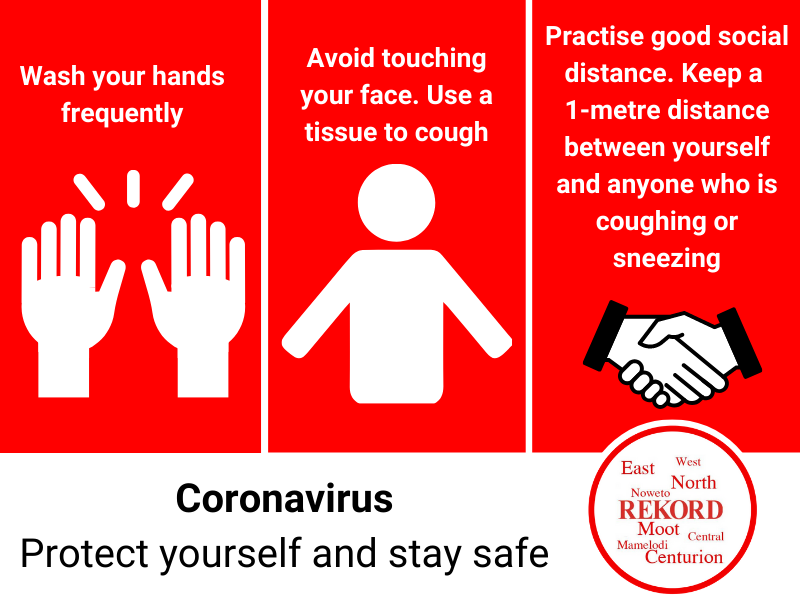
Wash your hands frequently
Regularly and thoroughly clean your hands with an alcohol-based hand rub or wash them with soap and water. Washing your hands with soap and water or using alcohol-based hand rub kills viruses that may be on your hands.
READ MORE: First case of coronavirus confirmed in SA
Maintain social distancing
Maintain at least a one metre distance between yourself and anyone who is coughing or sneezing. When someone coughs or sneezes they spray small liquid droplets from their nose or mouth which may contain the virus. If you are too close, you can breathe in the droplets, including the COVID-19 virus, if the person coughing has the disease.
Avoid touching eyes, nose and mouth
Hands touch many surfaces and can pick up viruses. Once contaminated, hands can transfer the virus to your eyes, nose or mouth. From there, the virus can enter your body and can make you sick.
Practice respiratory hygiene
Make sure you, and the people around you, follow good respiratory hygiene. This means covering your mouth and nose with your bent elbow or a tissue when you cough or sneeze. Then dispose of the used tissue immediately. Droplets spread the virus. By following good respiratory hygiene you protect the people around you from viruses such as the cold, flu and COVID-19.
If you have a fever, cough and difficulty breathing, seek medical care early
Stay home if you feel unwell. If you have a fever, cough and difficulty breathing, seek medical attention and call in advance. Follow the directions of your local health authority. National and local authorities will have the most up to date information on the situation in your area. Calling in advance will allow your health care provider to quickly direct you to the right health facility. This will also protect you and help prevent the spread of viruses and other infections.
Listen to Covid-19 prevention and symptom tips in Setswana
Do you have more information about the story? Please send us an email to editorial@rekord.co.za or phone us on 083 625 4114.
For free breaking and community news, visit Rekord’s websites:
For more news and interesting articles, like Rekord on Facebook, follow us on Twitter or Instagram