
Stroke, the second leading cause of death
Stroke is very similar to what happens to the heart during a heart attack and is therefore aptly referred to as a ‘brain attack’. Learn more
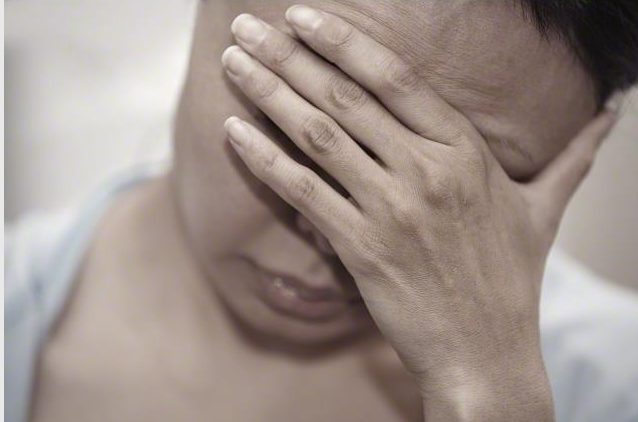
Stroke is said to be the leading cause of disability worldwide and the second leading cause of death.
A staggering one in four adults will suffer a stroke of some kind in their lifetime, according to the World Stroke Organisation.
Professor Andre Mochan, a neurologist who practises at a Netcare rehabilitation hospital said he observed that every day, close to 240 people in the country suffered a stroke and almost 70 of them died from it.
Mochan explained that a stroke occurred when a blood vessel carrying oxygen and nutrient-rich blood to the brain either gets blocked or bursts.
This results in damage to cells in that part of the brain which then leads to the symptoms and signs of stroke.
“Stroke is very similar to what happens to the heart during a heart attack and is therefore aptly referred to as a ‘brain attack’,” he said.
“What is important to note, and is not widely realised, is that most strokes are preventable by leading a healthy life and by treating and managing risk factors like high blood pressure, cholesterol and diabetes in association with your doctor.”
READ MORE: How to grow mint
He said this year’s slogan for World Stroke Day on 29 October, was “Join the movement” and it encouraged individuals to be more physically active to reduce their risk of a stroke.
“When considering the global burden of stroke, the most effective and important health intervention is prevention, or what is called primary prevention, of a first stroke,” he said.
Professor Mochan, who also works in the public healthcare sector and is an expert in the rehabilitation of brain injury, said by leading a healthy lifestyle both brain and heart attack risk was mitigated, and a healthy vascular system was promoted.
Other risk factors to be aware of include age, with individuals older than 55 at higher risk, male gender, and a family history of stroke.
“Preventive action would contribute to a massive scale reduction in stroke and would also contribute to global goals of reducing cardiovascular disease, cancer, diabetes and other significant causes of death and suffering worldwide.
“The best treatment outcomes for the most common type of stroke are usually obtained if appropriate treatment is provided within four-and-a-half hours from the onset of a stroke, so time is of the essence.”
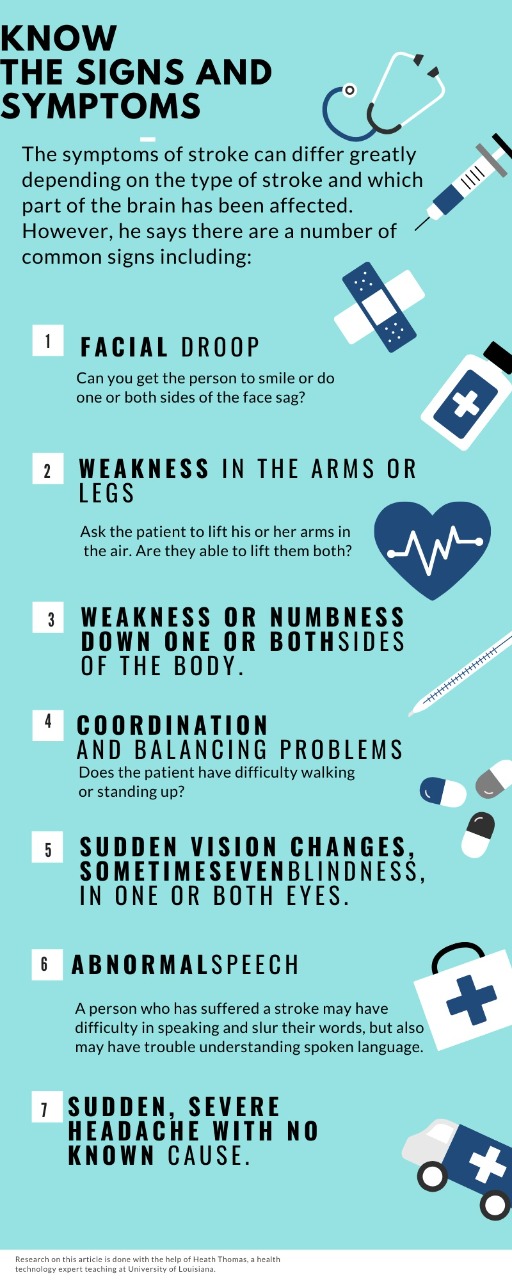
Mochan said prompt treatment could either reverse the stroke or at least reduce resulting disability, so you should not hesitate to call an emergency service provider should you suspect someone is having a stroke.
Do you have more information about the story?
Please send us an email to editorial@rekord.co.za or phone us on 083 625 4114.
For free breaking and community news, visit Rekord’s websites: Rekord East
For more news and interesting articles, like Rekord on Facebook, follow us on Twitter or Instagram



