East electricity infrastructure to hold new development – Metro
“The Hazeldean development and the surrounding area is a new emerging development node in the east of Pretoria, known as East City Capital. Tshwane insists that its electricity infrastructure will be able to handle the new load.
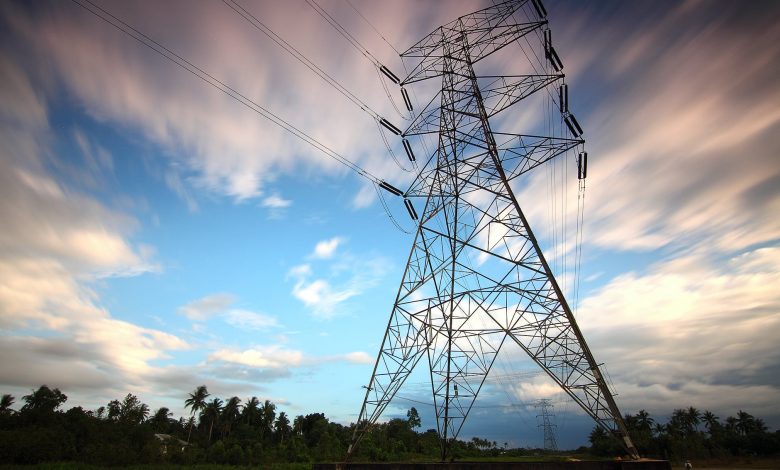
The Tshwane metro was adamant that its electricity infrastructure would be strong enough to hold the upcoming Hazeldean development in the east of Pretoria.
This enormous multi-billion rand 950-hectare development would consist of, among others, 11 000 residential dwellings situated south of the N4
highway, to the east of the Silverlakes Golf Estate.
Known as East City Capital, it has also been earmarked for the new Gauteng Rapid Rail station on route from Mamelodi to Midrand.
The project is going ahead even though areas in the eastern part of town have been plagued by power outages caused by, among others, an increasing
demand for electricity leading to overloads on the ageing infrastructure.
Tshwane metro mayor Randall Williams, however, said the metro had an “electricity master plan” informed by current and future developments.
“New infrastructure and upgrades are therefore built with new developments applications,” he said.
The roads master plan of the node has also been approved.
“Our electricity department’s capacity planning division is tracking demand. Projects are being executed in consultation with Eskom to ensure the
demand is being managed.”
According to Williams, municipal budget has over the last three years provided for ever-increasing budgets for the renewal of the infrastructure.
However, local energy expert Chis Yelland said many municipalities, including Tshwane’s, were already struggling to supply quality electricity to their
residents.
“In many municipalities, infrastructure is ageing and had been poorly maintained needing upgrades,” he said. “The demand for electricity is not
making it any easy.
“The population continues rise as urbanisation takes place. People move from neighbouring areas, including neighbouring countries into municipal areas
of Tshwane. “So there is a rising demand of electricity, but inadequate resources.
“This leads to overloading of the infrastructure, coupled with theft of electricity and non-payment.”
Yelland said equipment failures were also inevitable as they were often overloaded and the protecting of such equipment is bypassed.
“Eventually transformers and cables will fail leading to great costs in repairs or replacements.”
He said municipalities were experiencing loadshedding, firstly as a punitive measure of non-payments of their accounts, as well as due to the overloading of transformers and equipment circuits in the distribution network as a result of electricity theft and non-payment.
“It is, however, increasing prices of electricity from municipalities, but they don’t seem to be able to collect the money because people in those municipal areas don’t have the money.
“The more the municipalities put up the money, the more people do not pay, the more people make alternative arrangements, including theft of electricity and infrastructure to support themselves.”
Economist Dawie Roodt said electricity cuts have a negative impact of the economy as they led to revenue loss.
Roodt said Gauteng was the heartland of economic activity and electricity was needed for businesses, manufacturers and provision of services.
“There are many head offices in Pretoria and it is very important for them to keep on functioning,” he said. “It’s going to be bad for the entire country’s economy if Gauteng is affected.”
He said a solution to this problem affecting many municipalities was far from being reached.
Roodt said people were becoming more and more opposed to developments such as East City Capital as they realised that they will have less access to electricity and other services.
This meant that the economy would not grow as fast as it could have grown. However, he also said stopping development would not be a solution to electricity problems and the overall poor infrastructure maintenance. “Development must continue to allow growth,” he said.
“But this must happen in conjunction with proper service delivery and maintenance to infrastructure as a whole. “It’s not only electricity, the whole infrastructure development in the
east of Pretoria is lagging.”
Roodt said another downside to the constant electricity cuts in the east of the city was that developers would find the metro an undesirable place to invest at the end of the day.
“People also don’t want to pay for their rates and taxes because of poor record-keeping. It all comes down to proper service delivery.”
According to Williams, the upcoming development would see the creation of 239 700 jobs during the construction phase and 177 520 jobs during the
long-term sustainability phase.
He said the gross geographic product is R149-billion during the construction phase and R138-billion during the sustainability phase. “The rates and taxes impact as per the land use will be R44.2- billion total capital investment and R400-million in total annual rates and taxes,” he
said.
“The precinct comprises of two main segments, being developed as phase one and phase two; 30% of phase one has been serviced and developed thus far.”
Do you have more information about the story?
Please send us an email to editorial@rekord.co.za or phone us on 083 625 4114.
For free breaking and community news, visit Rekord’s websites: Rekord East
For more news and interesting articles, like Rekord on Facebook, follow us on Twitter or Instagram