Several water pipe bursts following outage possibly due to ageing infrastructure
The Tshwane metro had their hands full from Wednesday last week into this week fixing water pipes bursts in several areas in the east of Pretoria.
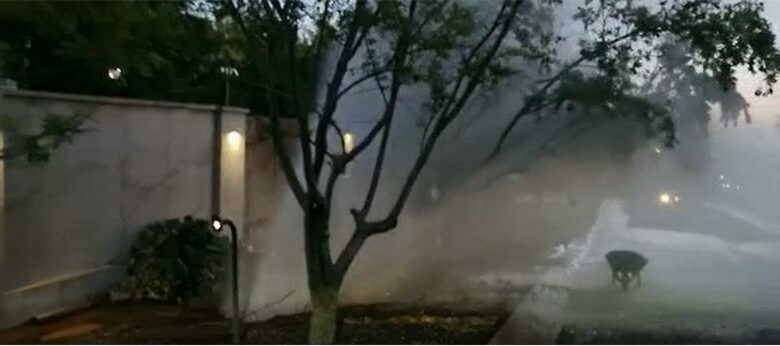
Although the return of water in the east of Pretoria, following an outage, was good news – it also resulted in several pipe bursts.
The Tshwane metro officials had their hands full over the past two weeks fixing pipe bursts that erupted when the water returned in several suburbs in the east of Pretoria.
Metro spokesperson Lindela Mashigo said pipe bursts occur mostly in old water pipe infrastructures due to the condition of the pipelines.
“The water pipe bursts occur mostly on asbestos cement pipelines and can be attributed to the pipe material and the age of the pipes,” Mashigo said.
ALSO READ: Parents shut down school due to shortage of furniture; fear of Covid non-compliance
He said pipes in a good condition did not usually burst.
“Pipes are not damaged after outages, pipes burst due to the condition of the water reticulation system which is related to the age of the pipes,” he said.
“There is nothing that can be done to prevent the old pipes from bursting due to water supply interruptions affecting large areas, except for replacing the water reticulation systems.”
Some of the affected streets were Long and Edward streets in Waterkloof.
Others were in Ashlea Gardens, Waterkloof Heights and Erasmusrand.
East ward councillor Siobhan Muller said several big pipe bursts were fixed on time.
“With the return of water we are still trying to repair the water pipes that burst when water finally returned.”
Previously speaking to Rekord in December 2021, mayor Randall Williams said the metro suffered from ageing electricity and water infrastructure.
ALSO READ: Incari enables state-of-the-art interfaces in retrofitted classic cars
He said the metro applied to the national treasury for a R3.4-billion funding for a revamp of the water infrastructure.
“We want to start with a pipe replacement project in Tshwane which is something that should have been done decades ago.”
Williams said the cause of water losses was due to ageing water infrastructure such as the asbestos and cement pipes which had to be replaced to prevent water losses.
He said the metro has started with replacing pipes but a large part of the project throughout Tshwane relied on funding by the national treasury.
Do you have more information about the story?
Please send us an email to editorial@rekord.co.za or phone us on 083 625 4114.
For free breaking and community news, visit Rekord’s websites: Rekord East
For more news and interesting articles, like Rekord on Facebook, follow us on Twitter or Instagram