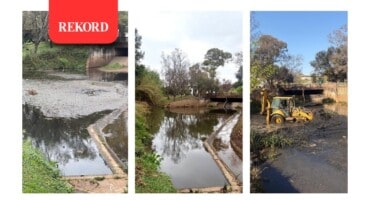
First phase of R5m Marabastad informal trading hub nearing completion
The completion of phase 1 will see the new informal trading site accommodate 60 traders.
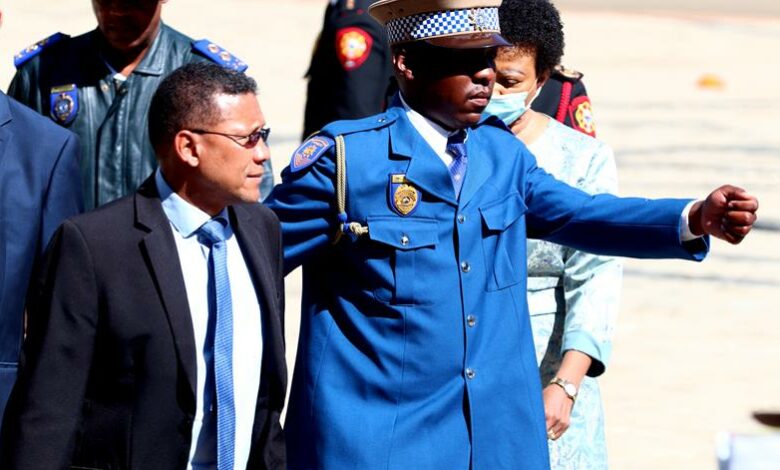
Tshwane mayor Randall Williams has announced that a multimillion-rand project to support informal traders in Marabastad area would be completed soon.
The project will uplift 120 informal traders by creating an enabling environment and promoting attractions such as night markets to contribute to economic growth and job creation.
The Marabastad informal trading area was due for refurbishment by August 2021 with plans to develop similar projects in the Pretoria CBD, which came to a halt with the mayor citing cash-flow issues.
Williams, however, announced the handover during his annual State of the Capital Address on Thursday last week.
“Informal trading is a unique and bustling feature of most African cities,” said Williams.
“It provides services to a strong and loyal customer base and promotes a much-needed spirit of entrepreneurism.”
He said the metro was still committed to finalising the development of the Marabastad informal trading and market stalls.
“The first phase of the project is nearing completion. It will be handed over to the informal traders later this calendar year.”
He said the metro was committed to assisting the sector within its borders.
The completion of phase 1 will see the new informal trading site accommodate 60 traders. Phase 2 will later accommodate another 60.
Former economic development and spatial planning MMC Bruce Lee said the project would bring hope to refurbish other informal trading facilities across the city as well as establish night markets.
“When this administration came to power in November 2020, we committed to refurbishing Marabastad informal trading area. For this purpose, R5-million was allocated from the 2020/21 budget adjustment process.”
He said a contractor, two community liaison officers and 20 EPWP workers had already been appointed as part of this project.
He said the project consisted of two phases.
It was a collaborative effort between the city manager’s office, the Department of Economic Development and Spatial Planning and the group property department.
ALSO READ: Phase 2 applications of Tshwane’s R508-million project open soon
Phase 1 of the project would focus on relocating traders from their current stall sites to a temporary trading site.
This would give the metro time to then build six restaurants and 16 dry product stalls as well as upgrade existing ablution facilities and build new small ablution facilities.
Seven meat trading stalls with meat chopping areas, a delivery bay and a refuse area would be built.
The installation of a ClearVu fence, paving, plumbing and a rear brick wall was also part of the project.
“While Phase 2 comprises an extension of the dry product stalls, a new storage facility, demarcation of opened stalls, braai facility, additional cooking facilities, an extension of the meat trading facility and paving and electrical stalls.
“The city has successfully consulted with affected traders and organised structures, and relocated the traders to a temporary trading site, while the refurbishment is underway.”
Lee said the allocated R5-million budget would only cover the costs for phase 1 only.
He said the identified traders were registered in the city’s database, allowing them to benefit.
Lee said the informal traders in Marabastad had been disadvantaged for years with a lack of access to ablution, storage and potable water and sub-letting of trading stalls.
They faced threats of competition by foreign traders while facing harassment by the Tshwane metro police.
Informal traders also partook in illegal trading and selling counterfeit goods as well as using open fires.
Through the project, the informal traders would pay a rental fee as per a City of Tshwane tariff structure, which would eliminate their woes.
“The city will provide daily cleaning services to keep the facilities clean, undertake periodic maintenance and repairs and provide security to safeguard the facilities,” Lee said.
He said the overall plan was for most of the informal traders to be formalised, provide ongoing business support services, finalise the electronic licensing system and eradicate illegal trading in the metro.
The project was part of the metro’s move in accelerating its service delivery commitment as well as safeguarding the dignity of marginalised community members.
Do you have more information about the story?
Please send us an email to editorial@rekord.co.za or phone us on 083 625 4114.
For free breaking and community news, visit Rekord’s websites: Rekord East
For more news and interesting articles, like Rekord on Facebook, follow us on Twitter or Instagram