Metro details R430m plan to rehabilitate Centurion lake
However, there is a major concern with the cost required to implement the proposed designs which is approximately R430-million.
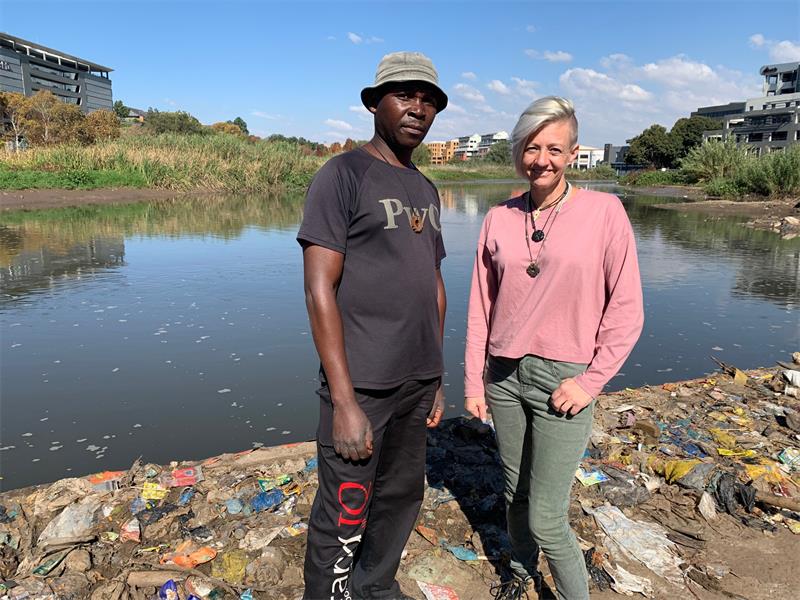
The Tshwane metro has provided more details on work surrounding the rehabilitation and subsequent upkeep of the Centurion Lake this week.
Responding to enquiries sent by Rekord, Tshwane metro spokesperson Lindela Mashigo said the metro had signed a memorandum of understanding with local NPO Hennops Revival as part of a project to rehabilitate the lake area.
This project is divided into two projects:
The short-term (desiltation) plan
This plan provides a high-level overview of the four main steps of the desiltation process:
Step 1: Removal of sluice gates to allow for drainage of the basin and keeping channels open. This step is imperative to allow for the draining of the silt and river sand to enable the excavation of this material.
Step 2: Clearing areas downstream of the weir to allow for maximum flow as the basin of the lake is drained. This also involves the removal of material out of the flood line as it had been temporarily stockpiled next to the river. Lastly, the removal of river sand on the northern side between the suspension bridge and the former pump house.
Step 3: Creating a channel on the northern side and improving the existing channel on the southern side to create a proper flow on both sides of the “island”.
Step 4: To desilt in front of Centurion Hotel and desilt between Lenchen South and North.
The long-term plan
“Consulting engineers were appointed in December 2020 for a 24-month contract period to ensure the implementation of critical project milestones,” Mashigo said.
These included but were not limited to:
Step 1: Finalise detailed designs and tender documentation (Centurion Lake rehabilitation and Silt & solid waste pollution traps).
Step 2: Flood management, hydraulic designs, drainage basin alterations. The work has been completed and presented to the mayoral committee.
One major concern has been the cost required to implement the proposed designs: an amount of approximately R430-million.
“Furthermore, a new water use licence would be required as the current one does not provide for the activities proposed in this rehabilitation plan,” Mashigo said.
“However, this plan is not affordable to the metro, hence we are engaging with the World Bank and the Gauteng Department of Agriculture and Rural Development (GDARD) to find an affordable long-term solution.
“Through the national treasury’s climate-resilient capital investment programme, the metro is receiving technical support to develop a land value capture strategy.”
This, according to Mashigo, is essentially a way of involving the private sector in contributing to the rehabilitation of the Centurion Lake basin, both upstream and downstream of the lake as the benefits of doing so outweigh the costs of environmental remediation.
“The programme seeks to strengthen the metro’s capability to design, package, prepare and finance capital investments that build resilience to climate impacts, while also meeting critical infrastructure and service delivery needs to unlock inclusive economic growth,” he said.
“The programme is engaging metros on a package of technical assistance, delivered in partnership with the World Bank and with financial support from Swiss Economic Cooperation (Seco) and the Global Infrastructure Fund (GIF).”
ALSO READ: Centurion Lake rehabilitation an uphill battle
Mashigo said this technical support comes at a time when the metro finds itself in a precarious situation where considerable rehabilitation is required yet it does not have the capital funding to do so.
“The metro furthermore sits with the dilemma that its efforts may be in vain if the upstream impacts are not addressed compromising any kind of intervention to restore the economic viability of the Centurion CBD and its nexus with the Centurion Lake.
“Phase two of the study has been initiated and weekly meetings are being held between the technical advisory team and members of the Centurion Lake Rehabilitation Task Team and other metro officials.”
Mashigo said at the same time the provincial GDARD is developing the Kaalspruit Climate Resilient Catchment Management Plan which has a direct bearing on the Hennops River.
“The Kaalspruit Catchment (A21B) is located within a single primary drainage region, i.e. region A – Limpopo River basin.
“The Kaalspruit flows into the Hennops River, which is a tributary of the Crocodile River and this, in turn, is one of the main tributaries of the Limpopo River. This means that the Kaalspruit Catchment eventually affects the Limpopo River, which provides water for people in South Africa, Botswana, Zimbabwe and Mozambique.
“The Kaalspruit traverses three metropolitan municipalities, namely the City of Johannesburg, City of Ekurhuleni and City of Tshwane. This necessitates a regional approach to managing climate change impacts.”
Do you have more information about the story?
Please send us an email to editorial@rekord.co.za or phone us on 083 625 4114.
For free breaking and community news, visit Rekord’s websites: Rekord East
For more news and interesting articles, like Rekord on Facebook, follow us on Twitter or Instagram