Veggie garden gives hope to women of Cemetery View
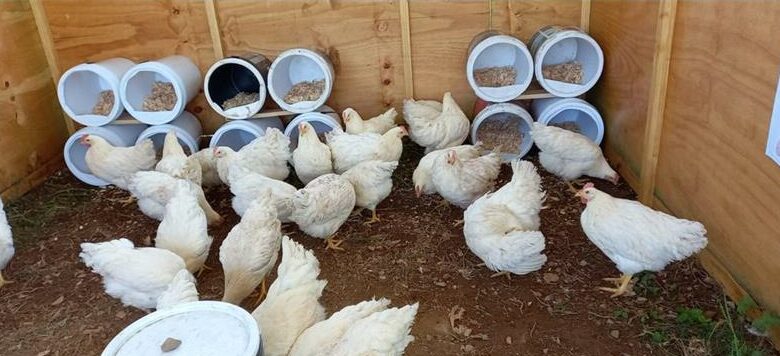
The project sees the women being taught how to farm vegetables and poultry on a portion of land at the informal settlement.
“I do not have to have to worry about where our next meal is going to come from.”
These are the words of 22-year-old Florence Mlambo from the Cemetery View informal settlement, who confidently calls herself a farmer.
Mlambo is one of 25 women who have been taught how to run and manage their own vegetable garden and raise chickens at the Cemetery View informal settlement.
The settlement, situated a few metres from the affluent Woodlands mall in Pretoria east is poverty-stricken.
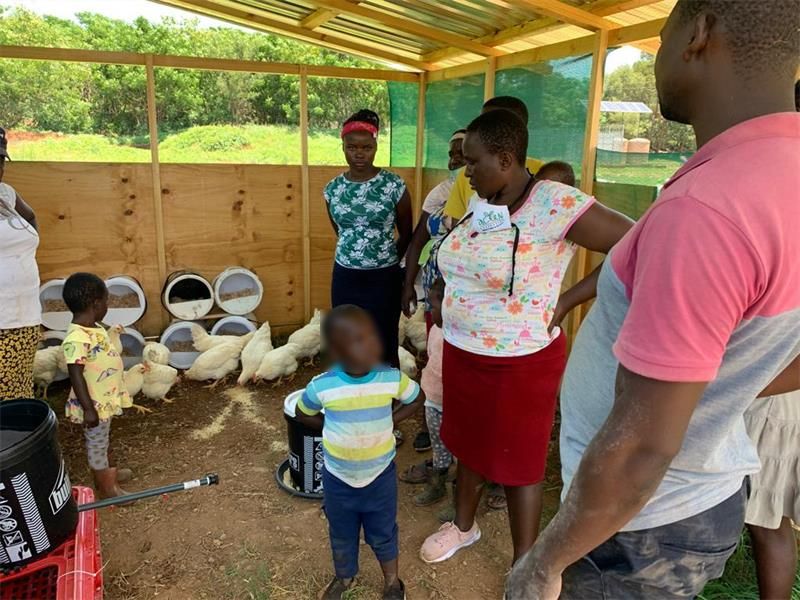
The women at the informal settlement, together with community health workers, joined hands with University Pretoria’s (UP) animal science department to improve food security.
The project sees the women being taught how to farm vegetables and poultry on a portion of land at the informal settlement.
They get access to eggs from chickens as a source of protein for their families, which they can also sell to generate an income and they can eat from their very own garden.
“We learn how to handle chickens and plant vegetables. All these are things that help sustain us in the long run,” she said.
“We also get money from selling chicken eggs. We sell one egg for R2 so we can take care of ourselves and our families. We can confidently take care of the chickens, feed them and go through all the processes of finally having an egg.
“We also take care of the vegetable garden, from the moment we have planted up until it’s ready for ploughing.”
Mlambo said the initiative was a much-needed upliftment for the women of the informal settlement, who could use the skills acquired to start their own businesses.
She said the informal settlement struggles with poverty and many find themselves doing odd jobs to get by.
“My partner does gardening work in the area and I was unemployed before this project came by. Now our meals are secured whether my partner gets his income or not.”
The garden feeds and sustains many of the families at the informal settlement which was the initial aim when UP partnered with Unicef, SA Cares for Life and the Lewende Woord church to get the project underway.
The Agricultural Research Council (ARC) trained the women to establish sweet potato and moringa gardens while attending sustainable healthy eating workshops from UP Research Unit and UP Human nutrition students.
SA Cares and the Lewende Woord church were active partners in providing the land and the necessary resources to establish and maintain the project.
Unicef One Health funding was used to establish the garden and henhouse while Rossgro Farms provided the hens.
“We are very grateful for this initiative, but above all, we are grateful for the knowledge that can never be erased from our minds. One way or another, we can take care of ourselves,” Mlambo said.
Do you have more information about the story?
Please send us an email to editorial@rekord.co.za or phone us on 083 625 4114.
For free breaking and community news, visit Rekord’s websites: Rekord East
For more news and interesting articles, like Rekord on Facebook, follow us on Twitter or Instagram