Pretoria informal settlement residents plead for toilets as bushes are only alternative
"We do not have toilets here, women and children are sometimes forced to relieve themselves in the bushes if they don't have R2 or R3 to pay for the nearby toilets."
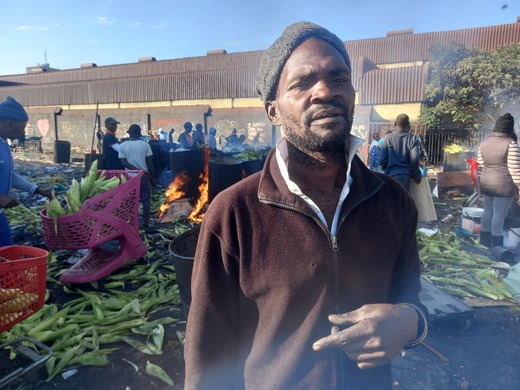
A group of migrants staying at an informal settlement near Marabastad are pleading with the metro to provide them with toilets as they have to either pay to use nearby public toilets or resort to the bushes.
Residents at the settlement, known as Little Zimbabwe, say they often have to make this difficult choice when they don’t have money.
“We do not have toilets here and so women and children are sometimes forced to relieve themselves in the bushes if they don’t have R2 or R3 to pay for the nearby public toilets,” said Manners Maposa, a resident at the informal settlement.
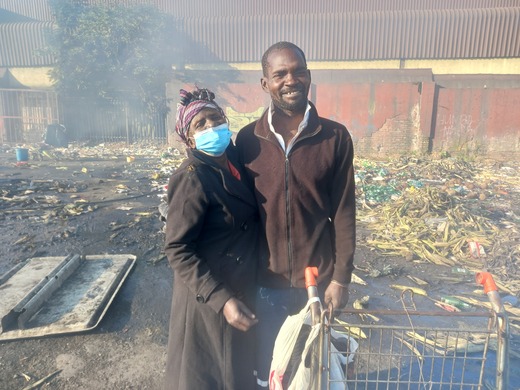
Maphoso said women, children and those living with disabilities were affected the most by these living conditions.
He said he arrived in Little Zimbabwe in 2011 to search for a better living.
He said contrary to what most people believed, residents in the informal settlement are hard workers who do not do any crime.
“People look at our place and think it is a place to harbour criminals but that is not true.
“Everyone knows each other here and we live on pushing trollies, selling scrap metal and some begging at the robots in the city. We are only asking for the metro to provide us with toilets and taps because we only have one tap which all of us share.”
Steven Mthethwa, a blind resident in the area, said he lost his eyesight when he was 15 years old.
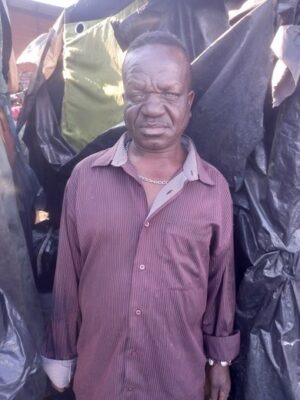
Mthethwa said the situation in his home country in Mozambique forced him to come to South Africa to try and beg for a living.
“Staying here is difficult but I think it is even harder when you have the condition I have.
“I wake up and go to the robots to beg for money because I have to help my two wives and children back home. The money I get from begging I send home so that they can buy seeds to plough and be able to have food.”
MMC for Human Settlements Abel Tau said, according to his knowledge, the settlement was originally for informal traders.
“I personally wasn’t aware that there is a settlement in that area.
“The place was more for informal traders to pack their fresh produce from the market to go and sell. Unfortunately, what they do from time to time is that they then settle in that place to cut transport costs.”
Also read: Six-year-old dies after Pitbull attack in Vergenoeg informal settlement
Tau said mushrooming informal settlements were giving the metro a headache as it was already forking out millions towards mobile toilets and the provision of clean water.
“We have over 210 informal settlements in the metro which are growing.
“The challenge that we are facing is that we are only providing rudimentary both water and toilets to about 115.”
Tau said the city has budgeted R290-million for this financial year for water tankers to provide water in informal settlements.
“It is a huge burden, but it is a service that we are required to provide in terms of the constitution as it is a human rights issue.”
Do you have more information about the story?
Please send us an email to editorial@rekord.co.za or phone us on 083 625 4114.
For free breaking and community news, visit Rekord’s websites: Rekord East
For more news and interesting articles, like Rekord on Facebook, follow us on Twitter or Instagram