Centurion lake rehabilitation progresses as planned
Plans to restore the lake are progressing well.
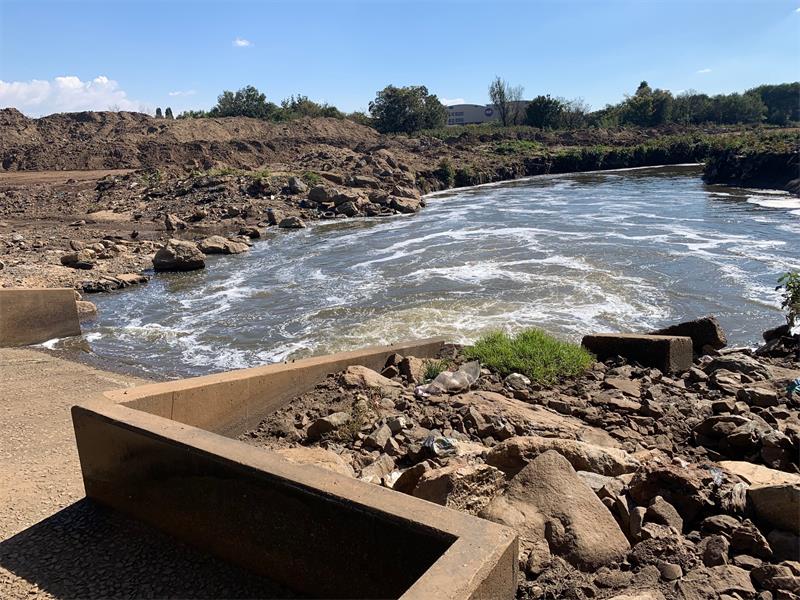
The Tshwane metro rehabilitation of Centurion Lake has progressed well since the project began in 2021.
Due to the heavy rains and flooding experienced in Centurion at the beginning of the year, the lake, and other surrounding areas, were severely damaged.
But with a budgeted R430-million, the metro aims to fully restore the lake to full flow which is currently blocked by the build-up of silt that must be removed piece by piece by diggers.
When spread over a body of water, silt can cause a lot of damage to the environment and ecosystem, mainly with its tendency to destroy wetlands.
Silt commonly occurs from disturbed soil from surrounding construction sites that is washed into the body of water.
The lake flows directly into the Hennops River and, therefore, plays a vital role in the local ecosystem.
In addition, the lake also features a small wetland and a litter catchment system to help clean the water that flows into the river.
The lake, with its beautiful waterworks and fountain, was a popular hangout for Centurion residents in the past.
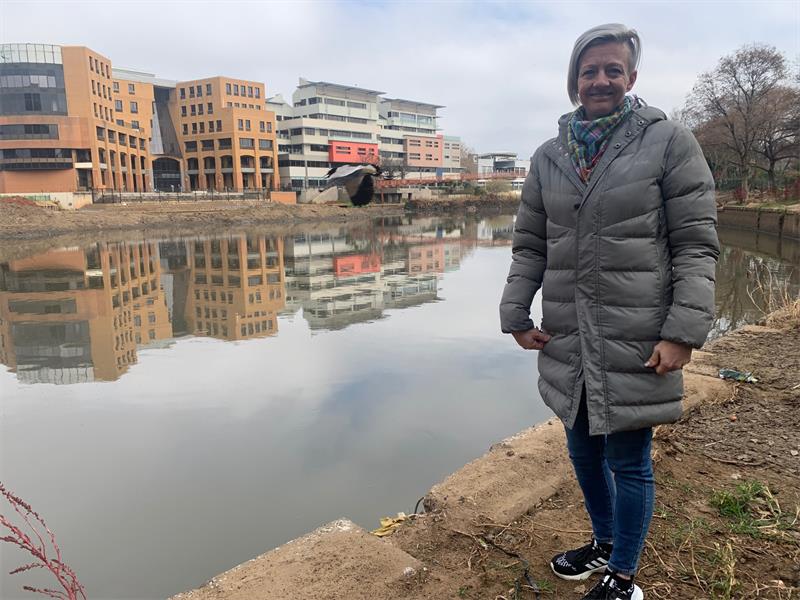
“I have many fond memories of partying by the lake in the evenings with my friends.
“They had live performances and people would come here with their families,” said resident Tarryn Johnston.
Unfortunately, the metro will not rebuild the fountain and water works as it primarily focuses on restoring the lake’s water flow.
Johnston said she is pleased with the progress she has seen.
“They are definitely doing good work and I’m pleased with the progress I’ve seen thus far,” she said.
“People can see that it’s not just empty promises or talk but that actual, good work is being done.
“Now is also the perfect time as the water levels are low.”
The project has been halted multiple times since it began over funding issues and persistent rain.
However, it has been going on largely unabated since the beginning of the year, and the metro team has successfully removed large sections of silt.
According to metro spokesperson Lindela Mashigo, this project is divided into two projects:
The short-term (de-siltation) plan:
This plan provides a high-level overview of the four main steps of de-siltation:
Step 1: Removal of sluice gates to allow for drainage of the basin and keeping channels open. This step is imperative to allow for the draining of the water to enable the excavation of the silt.
Step 2: Clearing areas downstream of the weir to allow for maximum flow as the basin of the lake is drained.
This also involves the removal of material from the flood line as it has stockpiled on the banks.
Lastly, the removal of sand on the northern side between the suspension bridge and the former pump house.
Step 3: Creating a channel on the northern side and improving the existing channel on the southern side to create a proper flow on both sides of the “island”.
Step 4: To de-silt in front of Centurion Hotel and between Lenchen South and North.
The long-term plan:
“Engineers were appointed in December 2020 on a 24-month contract to ensure the implementation of critical project milestones,” Mashigo said.
These include, but are not limited, to
Step 1: Finalise detailed designs and tender documentation.
Step 2: Flood management, hydraulic designs and drainage basin alterations.
The work has been completed and presented to the mayoral committee.
One major concern has been the cost of implementing the proposed designs – approximately R430-million.
“Furthermore, a new water use licence would be required as the current one does not provide for the activities proposed in this rehabilitation plan,” Mashigo said.
“This plan is, however, not affordable to the metro; hence, we are engaging with the World Bank and the Gauteng Department of Agriculture and Rural Development to find an affordable long-term solution.
“Through the national treasury’s climate-resilient capital investment programme, the metro is receiving technical support to develop a land value capture strategy.”
This, according to Mashigo, is a way of inviting the private sector to contribute to the rehabilitation of the Centurion Lake basin, both upstream and downstream as the benefit of doing so outweighs the cost of environmental remediation.
“The programme is engaging metros on a package of technical assistance in partnership with the World Bank and with the financial support of the Swiss Economic Cooperation (Seco) and the Global Infrastructure Fund (GIF).”
ALSO READ: Hennops Revival celebrates Mandela day with successful clean-up
Do you have more information about the story?
Please send us an email to editorial@rekord.co.za or phone us on 083 625 4114.
For free breaking and community news, visit Rekord’s websites: Rekord East
For more news and interesting articles, like Rekord on Facebook, follow us on Twitter or Instagram