Tshwane metro wants to continue protecting jacarandas
All the talk about these trees inevitably leads to rumours and stories about their past and future, but the City wants to set the record straight – the jacarandas are here to stay.
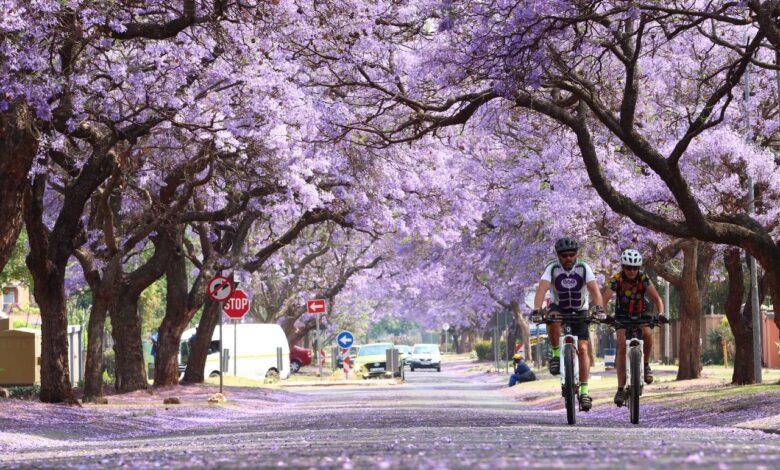
Pretoria is known as the Jacaranda city, with the trees being integral to the image and personality of the city.
As residents and tourists flock to the streets for a few weeks every year to snap some pictures in the beautiful jacaranda lined streets, it is impossible not to notice the grandeur of the iconic trees.
All the talk about the trees inevitably leads to rumours and stories about their past and future, but the metro wants to set the record straight — the jacarandas are here to stay.
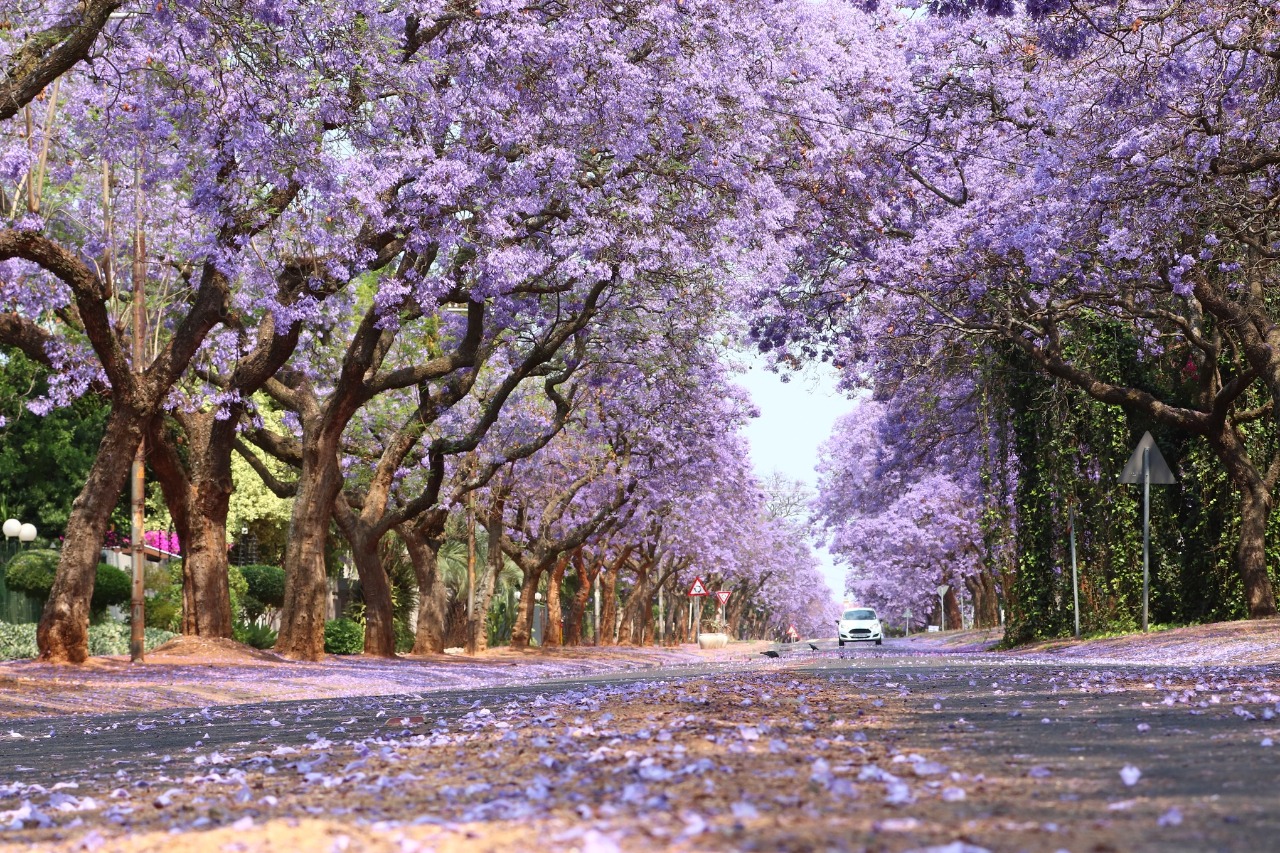
Jacarandas come from South America, with the first tree planted in Pretoria in 1888, and in town in 1906. As non-indigenous trees, meaning they do not originate from South Africa, these trees used to be considered invasive species.
In 2015, the Gauteng government condoned the jacarandas in Gauteng even though they still remain on the invaders’ list. This decision was made because of the cultural and heritage significance of the tree in the region, and also taking into account the local symbiotic relationship between the jacarandas and the vegetation that has emerged in the urban areas since.
Andre Valkenburg, who works in urban forestry at the environmental management and parks division at the Tshwane metro, affectionately known as Mr Jacaranda by some of his students, told Rekord the metro “has full intentions to keep the tree as a symbol of the city, although not necessarily to plant masses of them in new neighbourhoods. The city has a strong interest in keeping the trees.”
One rumour was that the trees would be cut down due to their status as invaders, but Valkenburg put this to rest and confirmed that the city is proud of the trees, and that they are here to stay.
CUTTING THEM DOWN
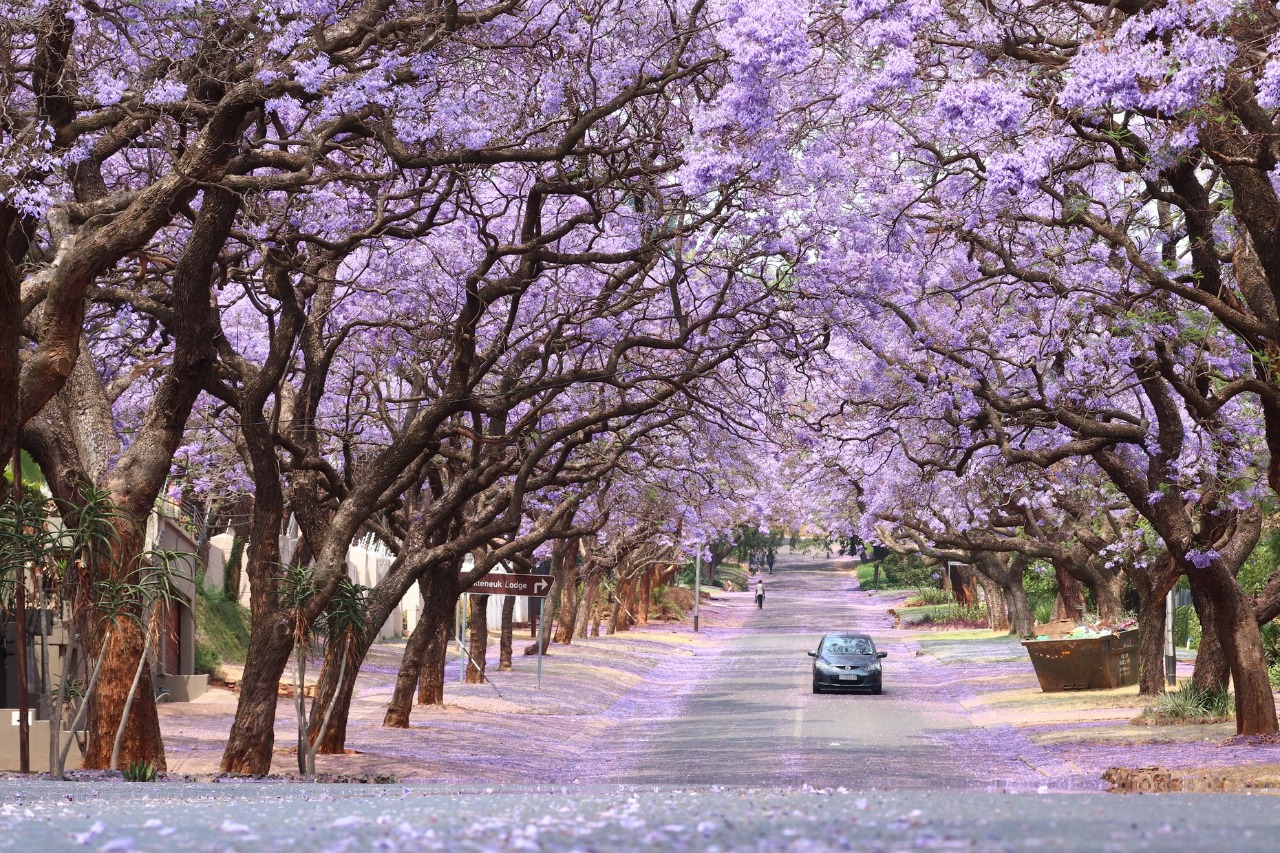
In fact, cutting down the jacarandas would simply not be a good decision, says Valkenburg. It would take years to replace these very large trees with new ones, drastically increasing surface heating in the city. It would also collapse the symbiotic relationship between the jacarandas and other plants in the city.
He said the metro grow jacarandas in a nursery to replace those that have either died or were cut down. He says there is a yearly goal to plant 8 000 trees every year around the city, with many of these trees being jacarandas. This goal is quite a low target, especially compared to previous years, but the number is more in line with budgets and easier to achieve.
When it comes to strategies for managing the trees, Valkenburg says the options are cutting down, moving or replacing them with younger trees.
Trees in public spaces, along roads, parks and other open spaces cannot be cut down without a permit from the City. If there is a problem with a tree, such as a tree falls during a storm, it can be cleaned up. He said if a tree is in the way of a water and sanitation pipeline that needs to be laid, the City needs to be consulted before it can be cut down or tampered with. They always want to investigate if another option can be devised or if the tree can be relocated.
DEADLY FUNGUS
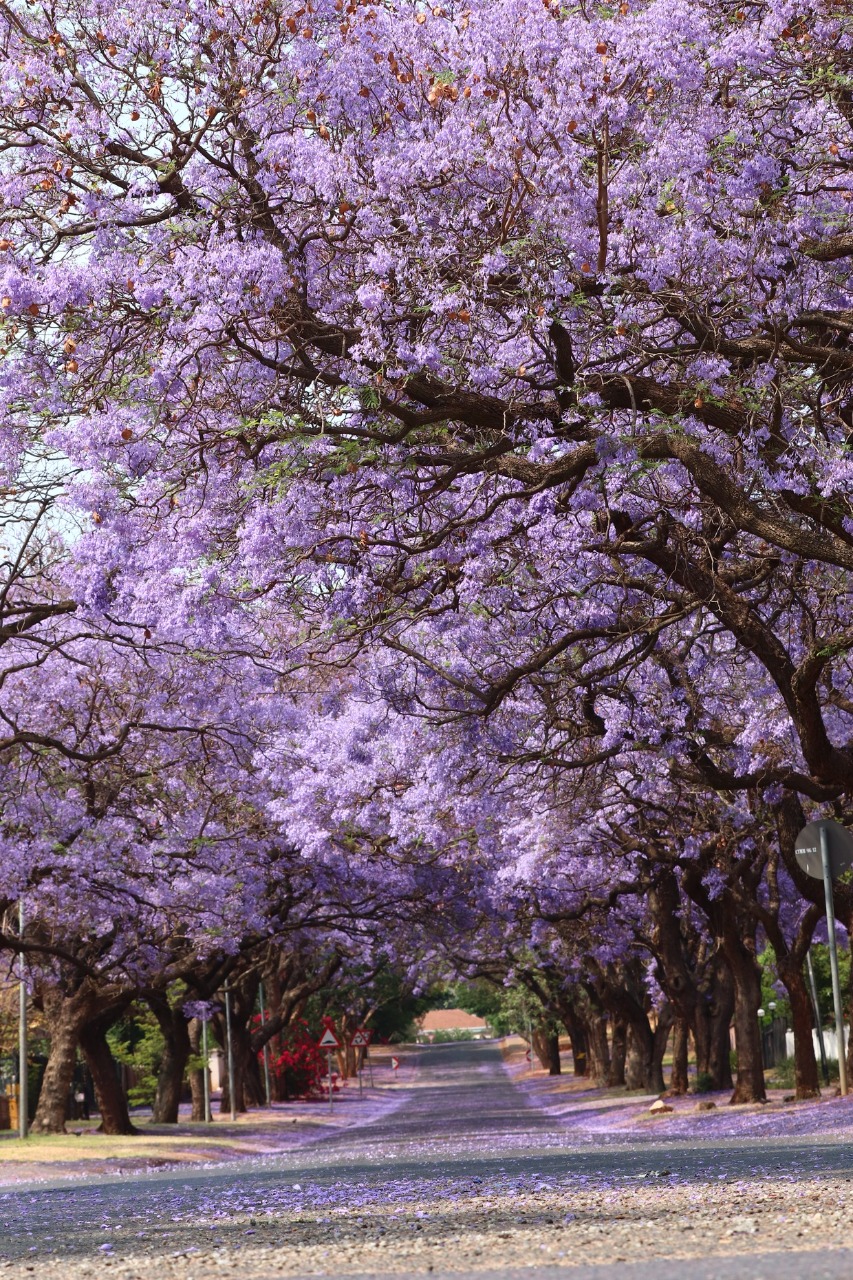
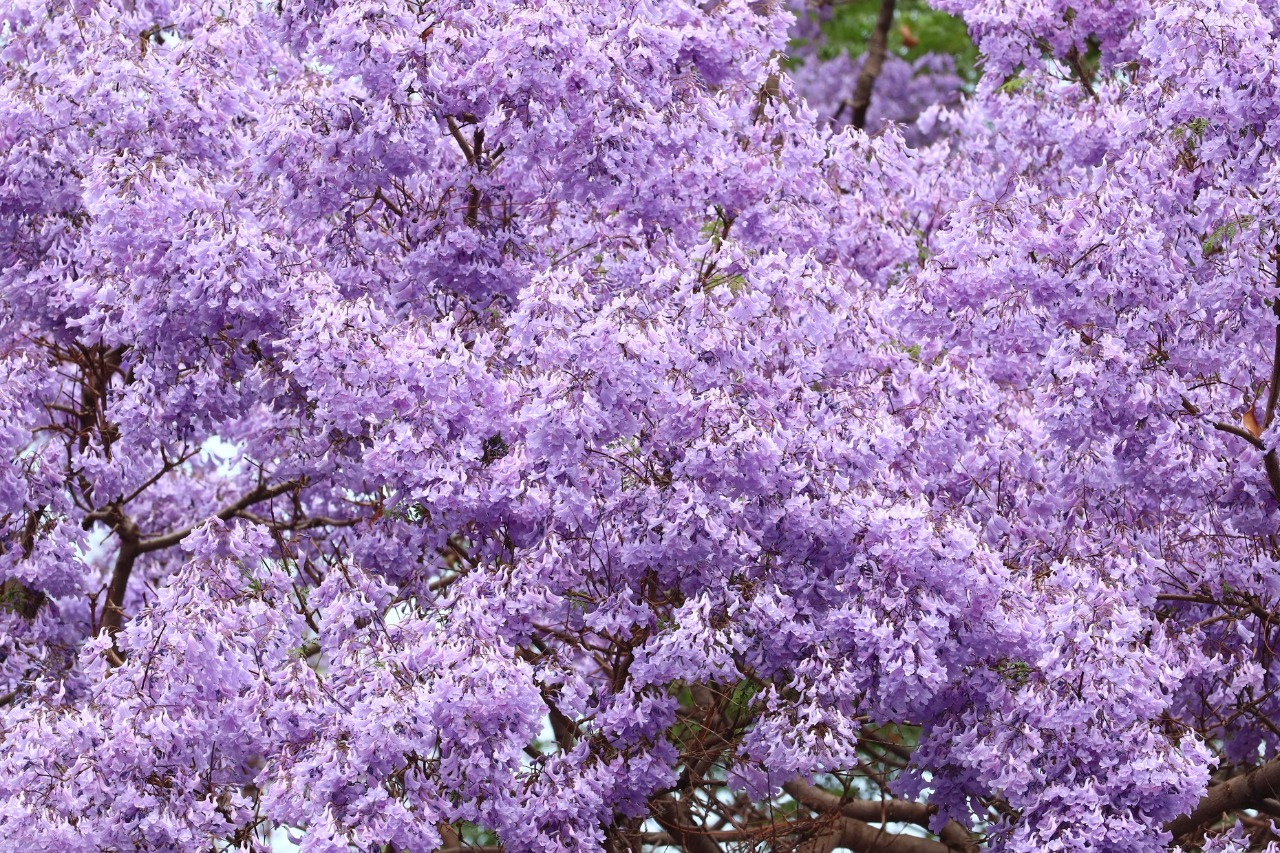
Pretoria residents generally love the trees, however. So the biggest threat to their existence is actually a fungus that can kill parts of the tree, or the entire tree.
The Polyphagous Shot Hole Borer from Southeast Asia is the troublesome species that is able to cause a great deal of damage to the jacarandas.
These beetles burrow into the stem of the tree carrying fungus into the tree. When the tree is stressed, such as in extreme heat, drought, or extreme cold, it can cause some branches to die back, and in the worst case the whole tree will die.
Pretoria lost some trees when this started a few years ago, but the effect is seasonal and dependent on the conditions during the year. At the moment, it is not too much to worry about, Valkenburg assures Rekord. The City has sent out specialists to treat the trees, with injections.
WATER WISE
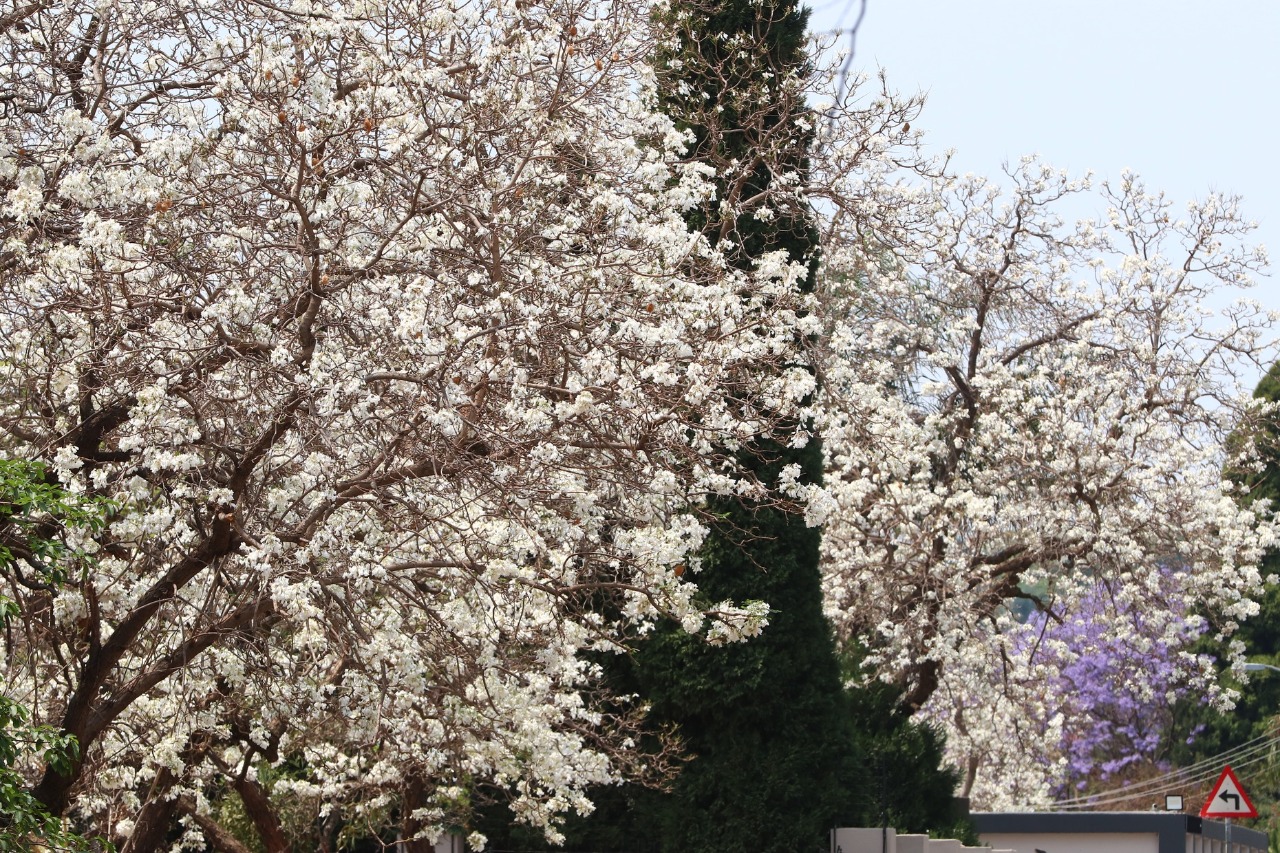
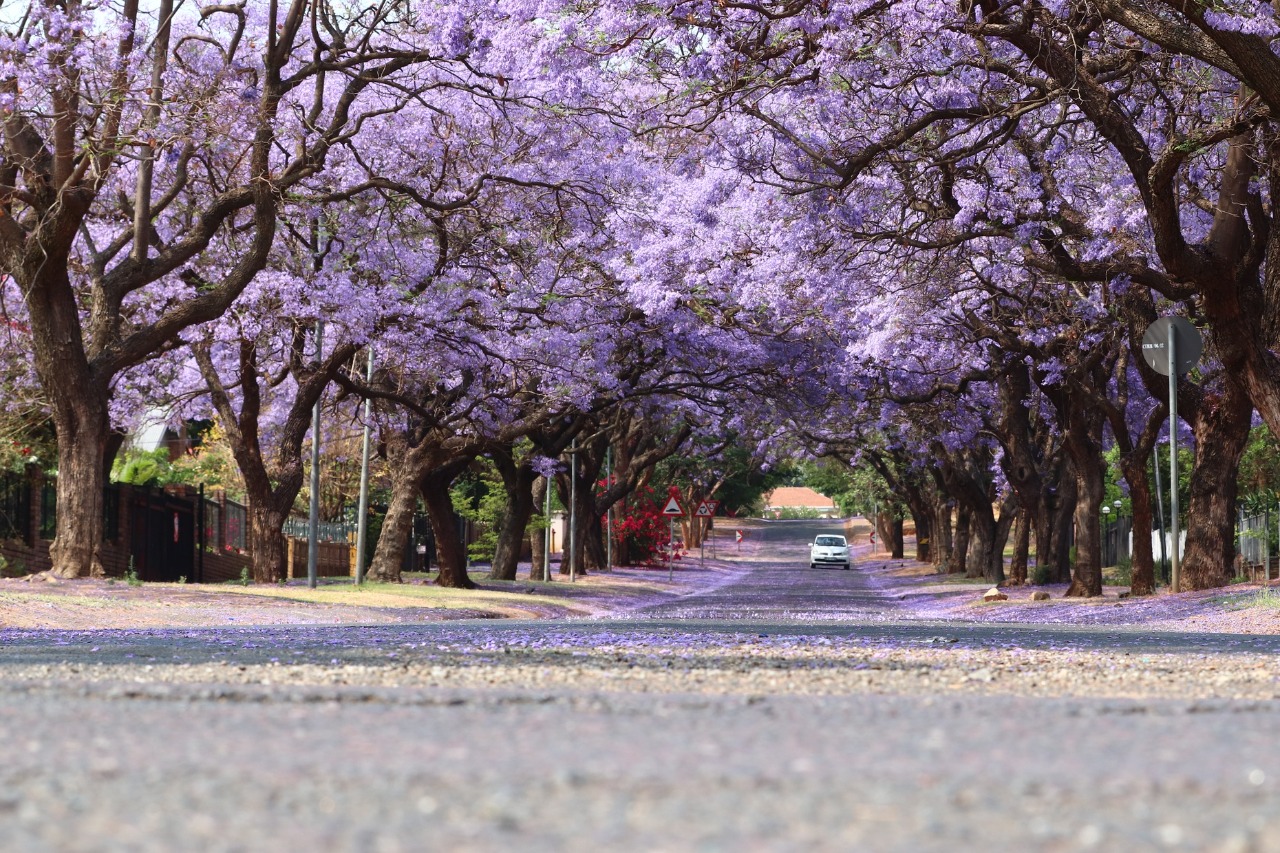
Finally, jacarandas have a reputation for being heavy water users as invaders. But Valkenburg says that jacarandas are actually quite average water consumers.
He explains that there are two schools of thought around trees and water-wise policies.
One side says that trees indigenous to South Africa are best, and the other says plants that are endemic to the area specifically are best. But this can often be misleading, as some trees that are indigenous to the Western Cape, for example, can be heavier water users than jacarandas, but trees like olienhout, karee, and white stinkwood, which originally grew in this area, are perfectly suited to the climate here.
Jacarandas have become symbiotic to many other species in the area. Very often they need to be planted after the saplings have been raised in a nursery.
The City is working on policies and strategies to formally protect the trees in their local settings.
ALSO READ: Pretoria West flea market returns this November
Do you have more information about the story?
Please send us an email to editorial@rekord.co.za or phone us on 083 625 4114.
For free breaking and community news, visit Rekord’s websites: Rekord East
For more news and interesting articles, like Rekord on Facebook, follow us on Twitter or Instagram