Tshwane metro to challenge sanitation woes in new fiscal year
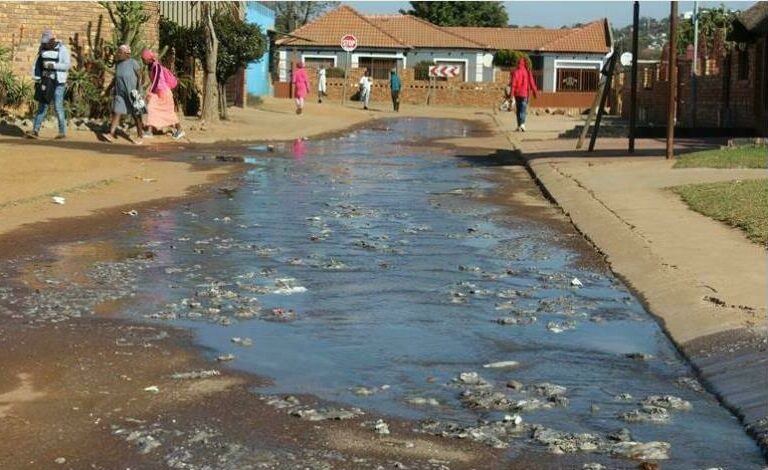
Areas like Mamelodi, Ga-Rankuwa, Soshanguve, Olievenhoutbosch, Mabopane, Atteridgeville, Hammanskraal, Cullinan, Moreletapark are some of the areas most plagued by sanitation woes.
The Tshwane metro has vowed to use its sanitation budget for the next fiscal year to resolve all of its woes.
Spokesperson Lindela Mashigo said the metro has budgeted R1.7-billion for sanitation in the 2023/24 fiscal year because “sanitation is a critical function”.
“In terms of the operational role, this budget will also manage the city’s wastewater treatment plants,” Mashigo told Rekord.
He said all sanitation issues, especially in townships, will be addressed.
He said the city’s capital investment focuses on addressing the inequality in township areas.
Mashigo’s reassurances come after the criticisms from the EFF Tshwane.
EFF regional leader Obakeng Ramabodu said he was seriously concerned about the ongoing issues of sewer system blockages, sewage spills and stormwater drain blockages, particularly in the townships.
Ramabodu said sanitation problems have been going on for some time in the city.
He said sewer system blockages and spills affect the well-being of the residents.
“This issue has a greater impact as it poses health issues and environmental problems,” Ramabodu said.
Ramabodu came out guns blazing demanding that the metro alleviate this situation through investing in infrastructure development.
He claimed that most townships in Tshwane have sewage problems.
“Sewer blockages in the townships are prevalent because of inadequate infrastructure.”
Ramabodu said possible solutions include more investment in sanitation infrastructure development and improved maintenance of existing systems.
“Regular inspection and a rapid maintenance roll-out will improve this situation.”
Areas such as Mamelodi, Ga-Rankuwa, Soshanguve, Olievenhoutbosch, Mabopane, Atteridgeville, Cullinan and Moreletapark are most plagued by sanitation woes.
However, he said the residents have lost faith in that the sewage problems they report will be fixed.
He said community involvement in reporting and identifying sewage issues should be promoted.
“This active role in reporting can create a more responsive and effective system for addressing this problem.”
He said Tshwane metro must take charge and ensure that all residents have access to clean water and proper sanitation.
https://twitter.com/TshwaneEff/status/1677764484742492160?s=20
Do you have more information about the story?
Please send us an email to editorial@rekord.co.za or phone us on 083 625 4114.
For free breaking and community news, visit Rekord’s websites: Rekord East
For more news and interesting articles, like Rekord on Facebook, follow us on Twitter or Instagram