Tshwane, DBSA 7-year electric bus rollout plan
The project was conceptualised in 2018, however, the process was halted due to the Covid-19 pandemic. The work resumed in 2022 and by late 2023 DBSA had secured funding to see out plans.
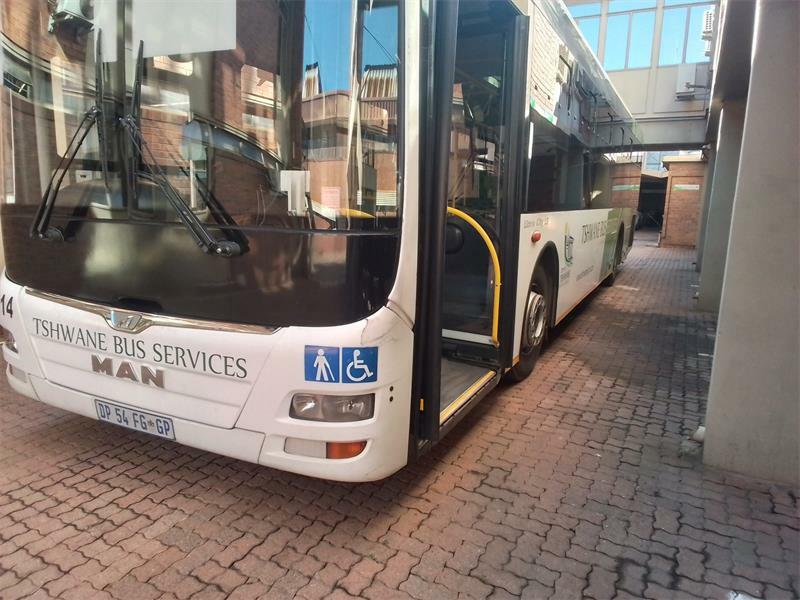
The Development Bank of SA (DBSA) and Tshwane are still in the infancy stages of identifying the required resources to run 20 electric buses in the Capital City ahead of 2026.
This pilot project will assist Tshwane in developing a greater electric bus deployment plan in future and create a sector for the metro to diversify its fuel mix.
The pilot with the DBSA aims to prove the viability of electric buses and looks into Tshwane operating 20 by the end of 2025.
This could see Tshwane become part of a small list of municipalities using electric commuter buses.
Conceptualisation of the project began in 2018, however, the process was halted due to the Covid-19 pandemic. The work then resumed in 2022 and by late 2023 DBSA had secured funding.
The pilot is funded by the Global Environmental Facility (Gef) and managed by the DBSA and the SA national energy development institute (Sanedi).
Sanedi announced that 39 buses were required along with the associated charging infrastructure at a cost of R89-million funding secured from the Gef.
Sanedi project manager for cleaner mobility Tebogo Snyer said: “Our objective with this project is to pave the way for the country to shift to electric mobility soon.
“In terms of the project scope, Tshwane will be allocated 20 buses and eThekwini 19. In both cities, electricity infrastructure will be upgraded and charging facilities installed. The project will be implemented over five years with half the buses being commissioned in the first two and the rest later,” Snyer said.
“During this time, we will demonstrate the technical, operational, legal, economic and other feasibility factors and bed down the specifications of the ecosystem needed to support electric buses in South Africa.
“Our view is that electric vehicle technology leads the cleaner mobility field and will continue to for the next decade or so,” he said.
He said the first buses were expected to be on the road in the next 18 to 24 months.
“The project preparation phase leading up to that includes infrastructure development and consultation with stakeholders to ensure that all entities in the municipalities are ready to support the project. Drivers will also be trained on how to safely operate an electric bus and manage charging cycles.”
Snyer said he expected technology to revolutionise the transport sector in the next three to five years on the back of improved and cheaper batteries.
He said regarding the impact of adding electric-vehicle load to the national grid, switching from internal combustion to electric vehicles in significant quantities would add additional load to the grid, albeit of a different kind.
“The impact, however, can be managed with smart project planning and implementation that ensures fleets are charged in off-peak periods.
“It is also expected that technology will develop to where electric vehicles can actively support and stabilise the grid. For now, the pilot’s scope includes technical grid-impact analysis.”
Tshwane spokesperson Lindela Mashigo confirmed that Tshwane and the DBSA were entering into a partnership to create a carbon-free project.
Mashigo said as part of the project, Tshwane was veering toward becoming a climate change trailblazer and inspiring other cities to become net-zero carbon emitters and climate-resilient in the new future.
“The acquisition of the electrical buses is one of the identified climate actions supporting the Green Transport ambition, which is the outcome intended to promote a transition into cleaner mobility, increased intake of public transport, resilient transport network and transit orient development.”
He said ahead of 2025, Tshwane and the DBSA had various dynamics to explore to ensure that the project was feasible.
“There are still various studies to be undertaken, stakeholders to be engaged, approvals to be acquired and the capacity building programmes to be undertaken before the overall project could unfold.”
He said the Tshwane Roads and Transport department was also promoting greener quality infrastructure design and implementation in its capital projects as part of the city’s climate action plan (CAP).
ALSO READ: Two TMPD officers in serious accident
Do you have more information about the story?
Please send us an email to editorial@rekord.co.za or phone us on 083 625 4114.
For free breaking and community news, visit Rekord’s websites: Rekord East
For more news and interesting articles, like Rekord on Facebook, follow us on Twitter or Instagram